
Jump to winners | Jump to methodology
Making a positive difference and impact for HR teams relies on one key aspect – understanding. Policies can be innovative and leading-edge, but they only work when applied in the correct environment and space.
HR teams are defined by how they think, lead, and influence their organizations.
“Among innovative HR teams, it is not all about better policies but rather having a deep understanding of what drives performance in your organization and personalization at scale, so that every employee feels like an individual rather than a headcount,” says Andrea Wynter, vice president of people at ADP Canada.
Canadian HR Reporter’s Leading HR Teams 2026 were assessed across areas including talent management, diversity and inclusion, health and wellness, and HR technology, and then benchmarked against the other submissions. Those firms recognized are breaking boundaries and moving the HR profession forward.
While each HR team has its own working environment, three strategies stand out to drive success.
Marie-Eve Labelle, vice president at Randstad Canada, breaks them down:
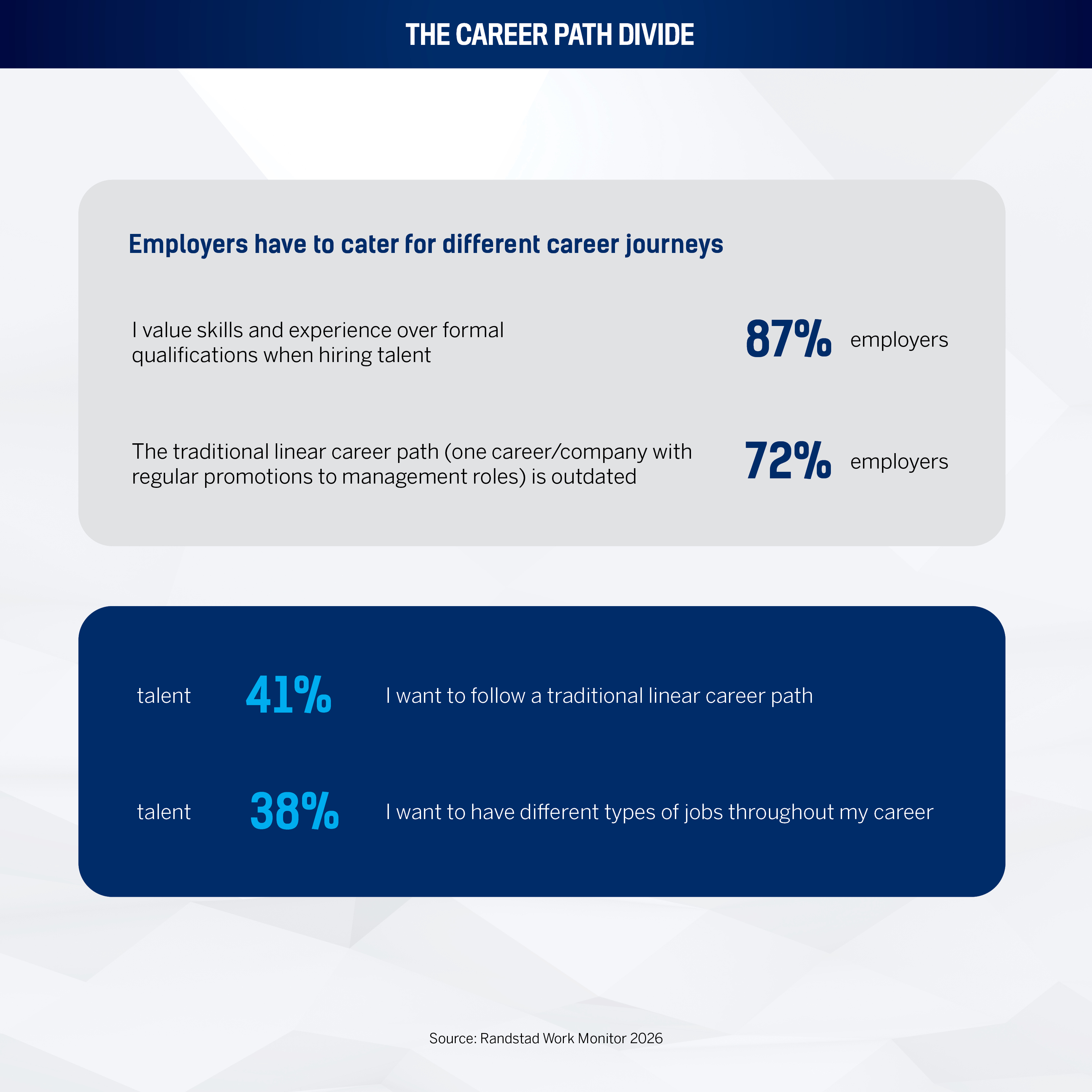
Shifting to skills-based hiring: “Putting more emphasis on what people can do and the experience they bring, versus just formal qualifications.”
Rethinking career paths: “We’re moving away from the traditional ladder toward more flexible, ‘portfolio’ careers, and that’s becoming a key driver of retention as work-life balance takes priority.”
Closing the confidence gap between employers and talent: “That comes down to being transparent about AI, where it’s going, and what it means, so the conversation shifts from job loss to how it can actually support people in their roles.”
Labelle also underscores the need to understand and focus on what can help all employees.
She says, “Leading HR teams are no longer defined by the programs they offer, but by their ability to act as strategic architects of adaptability and a strategic growth partner.”
Over the past year, the City of Barrie’s HR team has not only modernized its own practice, but set a new benchmark for how municipal HR can lead organizational performance.
At the centre of this transformation is EPIC, the City’s continuous, technology‑enabled Performance & Goals Management program. Moving decisively away from traditional, once‑a‑year, form‑driven reviews, Barrie has embedded a model of ongoing, meaningful conversations between employees and leaders. Performance, development, and engagement are now supported through a modern framework that tightly links individual contributions to corporate priorities.
“The initiative positions HR as an innovative and strategically aligned partner, deeply committed to strengthening employee engagement, growth, and organizational performance,” says director of human resources, Christine Gianino.
That shift is underpinned by SAP SuccessFactors’ Performance & Goals Management (PMGM) module – and Barrie is among the first organizations in Canada to adopt the platform’s embedded AI assistant in this space.
Rather than replacing human judgment, AI is positioned as an enabler. In real time, it offers writing support, coaching prompts, and guidance to both employees and leaders as they set goals, exchange feedback and prepare for performance discussions. This results in higher‑quality and more consistent conversations, less administrative burden, and a better experience for all participants.


The PMGM module’s importance lies in replacing a traditional, once-a-year performance review with a continuous, development-focused approach. The platform brings together 1:1 meetings, SMART goals, real-time feedback, leadership assessment tools, and annual connection in one integrated system.
“This ensures alignment between individual contributions and the City’s strategic priorities while supporting ongoing growth and engagement,” explains Gianino. “To ensure the solution could be leveraged fully, HR invested in intentional training and support, including self-directed learning and pilot phases.”
Crucially, the HR team hasn’t treated technology as a plug‑and‑play solution. Recognizing the magnitude of the shift, they invested in structured training, self‑directed learning resources, and pilot phases to build confidence and fluency. Leaders and employees were encouraged to test functionality and provide feedback, allowing HR to refine the system and, at the same time, enhance its own digital capability. This deliberate, change‑management‑focused approach has positioned HR as a leader in organizational innovation, not just a consumer of tools.
The team has also strengthened its communication lens through the launch of an HR newsletter, designed as a consistent and engaging channel for employees. The newsletter highlights upcoming HR initiatives, policy and system changes, learning and development opportunities, wellness and engagement resources, as well as recognition of employee and team accomplishments. In doing so, it reinforces a people‑first culture and demystifies HR’s work for the broader workforce.
By coupling continuous performance enablement, thoughtful tech adoption, and transparent communication, the team is helping to build a positive, high‑performing workplace.
Red River Mutual’s HR team has undergone a notable evolution in the past 12 months from a largely tactical function to a strategic, consultative partner that is helping to shape the organization’s future. That shift is anchored in the move from a shared services consultant model to a dedicated HR Business Partner structure.
Jenna Book, vice president of HR, says, “We can play a more active role in helping to influence long-term outcomes and be more proactive with the support we provide when people and teams are navigating new or complex circumstances.”
Foundational work such as the culture deck, revamped onboarding, the Elevate Leadership program, and stronger accountability frameworks has provided clarity on expectations and a shared vision. As a result, HR is spending less time on transactional escalation and more time helping leaders build environments where people can do their best work and influence long-term outcomes.
Technology and innovation are being leveraged thoughtfully. AI has been integrated as an efficiency and quality enabler, never a replacement for human connection. The team uses AI to support recruitment and selection planning, draft and refine communications, scan the external landscape, brainstorm ideas, and accelerate work on onboarding, learning content, and manager resources. By reducing time on initial creation, HR can invest more in tailoring programs to Red River Mutual’s culture and focusing on higher-value activities such as leader coaching, employee connection, and strategic planning.

A partnership with McLean & Company operates as both day-to-day support and a strategic extension of the HR team. “On a day-to-day basis, we actively use McLean’s blueprints, tools, and templates to support the work we do, from program design, planning, and execution,” says Book.
Executive counsellor and analyst calls help validate direction and inform decisions on engagement, leadership frameworks, compensation, and organizational effectiveness – keeping a small but mighty HR team on the leading edge of practice, without losing sight of local culture and business needs.
Operating across multiple provinces inevitably adds complexity, but HR treats this as a competitive advantage rather than a barrier. Clear expectations from hiring through onboarding, performance, and development, combined with flexible guidelines and “moments that matter” – such as leadership touchpoints, social connection, and key project milestones – help maintain alignment. Formal and informal feedback, including engagement, new hire and exit surveys, feeds continuous adjustment.
Ultimately, Red River Mutual’s HR team aims to be experienced as a confident, empowered, human-first partner balancing care and performance, deeply understanding the business, and delivering a best-in-class employee experience that truly enables a great place to work.
Over the course of the past year, the Town of Lincoln’s HR team has distinguished itself as a stabilizing force and a strategic leader in a context marked by uncertainty and change. Operating within the Niagara region and along the border, the municipality has been especially exposed to shifting US policy and an unexpected governance review – factors that could easily have created anxiety and drift.
Instead, the HR team has focused on providing stability, clarity and direction, sharpening internal communications and keeping employees anchored to key organizational priorities.
“Throughout this period, the human resources team has remained focused on fostering stability, clarity, and direction,” says Jacqueline Buchanan, associate director HR.
The HR team prides itself on being genuinely approachable, both in attitude and in physical presence. Their offices are literally in a hallway, making them easy to find and quick to reach. Employees are encouraged to drop by at any time, and when they do, they encounter a team that is transparent, responsive, and committed to follow through. If HR doesn’t have an answer, they go and get it – and crucially, close the loop. This, combined with close attention to frontline realities and trending metrics, has enabled corporate-wide initiatives that are visibly rooted in employee feedback, reinforcing confidence that HR is listening and acting.

On the technology front, the implementation of a new HRIS has not been without challenges. The vendor is based in another jurisdiction and time zone and overestimated some of their capability.
“This resulted in some delays and frustrations from our end,” adds Buchanan. “However, communication and persistence have enabled us to overcome many of those challenges.”
Similarly, performance management has been reframed as a strategic lever. Recognizing that growth demanded a more consistent approach, HR led a performance management implementation aimed at levelling up processes and procedures. Succession planning and individual development sit at the core of the Town’s attraction and retention philosophy, and the renewed system is designed to ensure every employee feels supported and has a clear plan for success. The goal is simple but ambitious: all levels of the organization working toward a well-communicated, shared direction.
Even as AI becomes more prevalent, Lincoln’s HR team has taken a measured, people-centred stance. Recruitment remains firmly human-led, while AI is used selectively to support tasks, such as drafting summaries and preparing communications, in close partnership with IT to safeguard confidentiality and security.
Taken together, these efforts reflect an HR team that employees increasingly see as trusted partners – accessible, authentic, and firmly focused on helping people and the organization thrive.
The British Columbia Automobile Association’s people and culture team has distinguished itself as a strategic force, using listening, data, and innovation to deliberately shape the employee experience in the last 12 months.
At the heart of this impact is a commitment to intentional listening. BCAA has invested in culture listening labs across the organization – in person, virtually, and supported by a broad-based employee survey – to understand how employees experience the culture today and how they want it to evolve. These discussions go beyond surface-level sentiments to explore what matters most to people, how they define a strong culture, what enables their success, and what gets in the way.
“What’s been most impactful is not just the volume of feedback, but the depth and quality of the conversations. We’ve built a stronger understanding of our strengths, surfaced real barriers, and are using those insights to guide how we continue to evolve,” says Ansa Garstin, senior manager of people, programs, and change. “This work has positioned us to take BCAA through a thoughtful and intentional cultural evolution.”
That same mindset is evident in the team’s approach to AI. It has significantly expanded its use of AI over the past year, with a strong emphasis on practicality, responsibility, and value. Microsoft Copilot has been rolled out, enabling employees to enhance communications, build presentations, generate ideas, and streamline day-to-day work. Early experimentation with simple AI agents is opening up new possibilities for how work gets done. In HR, automation is being introduced into payroll and administrative workflows, while AI-assisted insights within the engagement survey platform. This tool enables senior leaders to analyze their results more effectively, identify key themes, and generate actionable ideas to improve team engagement,” comments Garstin.

Another differentiator is the Change Champions and Leaders program, which provides training in a custom, internally developed change framework tailored to BCAA’s language, pace, and needs. More than 50 employees have been trained, selected through leader nominations and targeted outreach. These individuals integrate change leadership into their everyday roles, equipped with practical toolkits and ongoing support. This has allowed BCAA to scale change capability in a consistent and sustainable way.
The team’s impact is also visible in safety and well-being. A custom-built Health & Safety reporting system – designed in partnership with safety representatives and IT – has made it easier for employees to report hazards and incidents, or request PPE in just a few clicks, driving faster reporting, stronger analytics, and more proactive risk management.
Ultimately, BCAA’s people and culture team strives to be experienced as a trusted, enabling, and forward-thinking partner that not only supports the business, but actively shapes how work is experienced, continuously evolving to meet the needs of employees and the future of work.
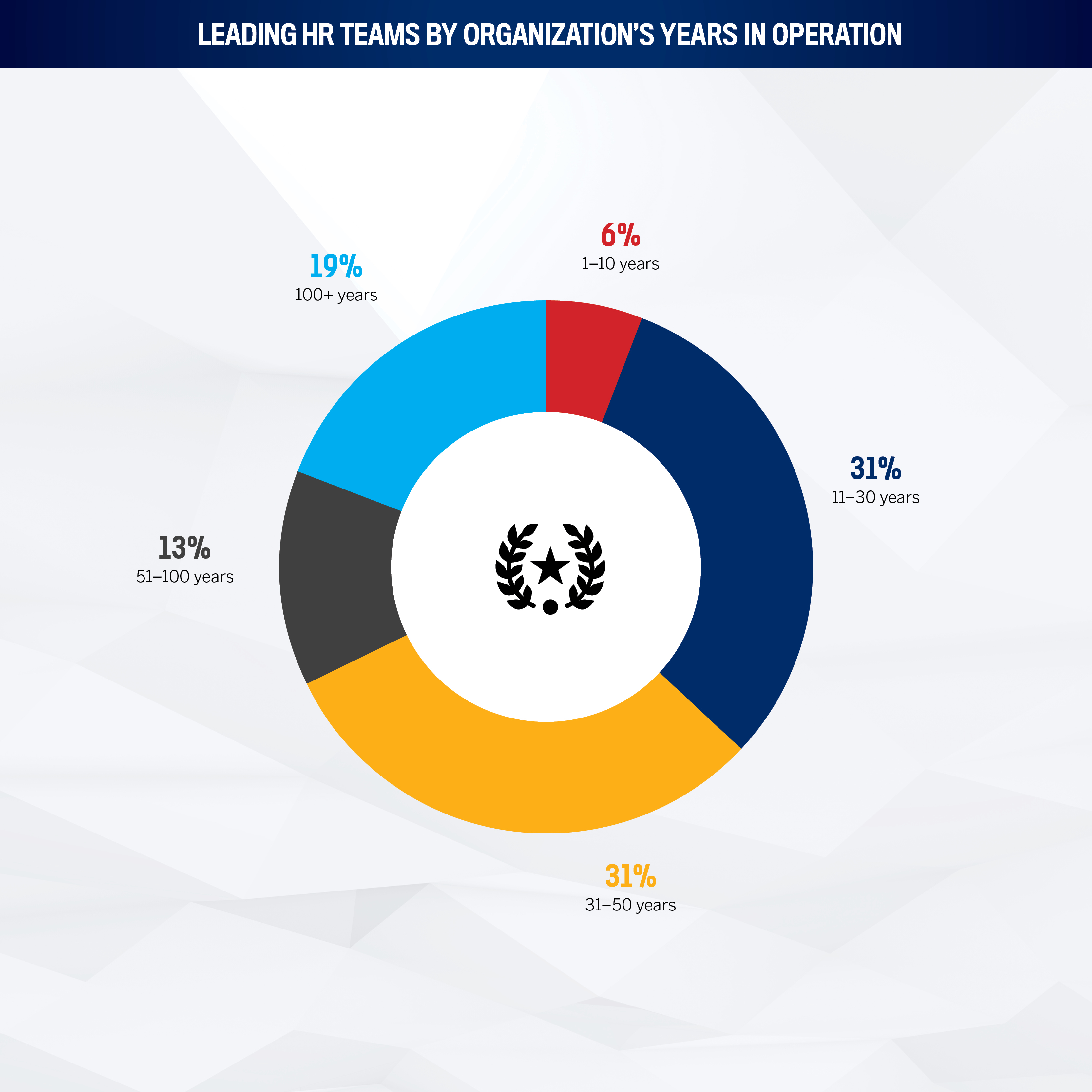
The success of CHRR’s Leading HR Teams 2026 is founded on a common set of building blocks.
Here are the fundamental initiatives driving the profession forward:
Moving away from transactional, shared services support into dedicated, consultative HR Business Partner models. Clear portfolios, deeper business understanding, and ongoing partnership with leaders.
Common thread: HR is embedding itself into strategy, organizational design, change, and leadership decisions, rather than just handling escalations.
Strong, repeated emphasis on end-to-end process modernization, often enabled by HR tech and AI. This involves implementation of HRIS to integrate payroll, performance, H&S, grievances, recruitment, and reporting.
The pattern: Simplifying, digitizing, and standardizing core HR workflows, then using AI/automation to cut admin time so HR can focus on higher-value work such as change and culture.
Clear commonality is structured, scalable development for leaders and employees. Career and competency frameworks are embedded into systems to make growth expectations transparent and actionable.
Underlying idea: Leading HR teams are treating capability building as a system, not one-off training – with clear frameworks, consistent language, and mechanisms to make learning stick.
Culture, DEI, and well-being are no longer “side projects” – they’re being operationalized to be part of all policies.
Commonality: Hardwiring values, inclusion, and well-being into structures, benefits, rituals, and decisions, while treating them as core drivers of performance, risk management, and employer brand.
An elevated focus on ongoing employee experience management with formal listening systems, communication infrastructure, and experiences designed around key moments.
The impact: Acting like product managers of the employee experience by listening, iterating, and using structured communication and design to create clarity, belonging, and trust.
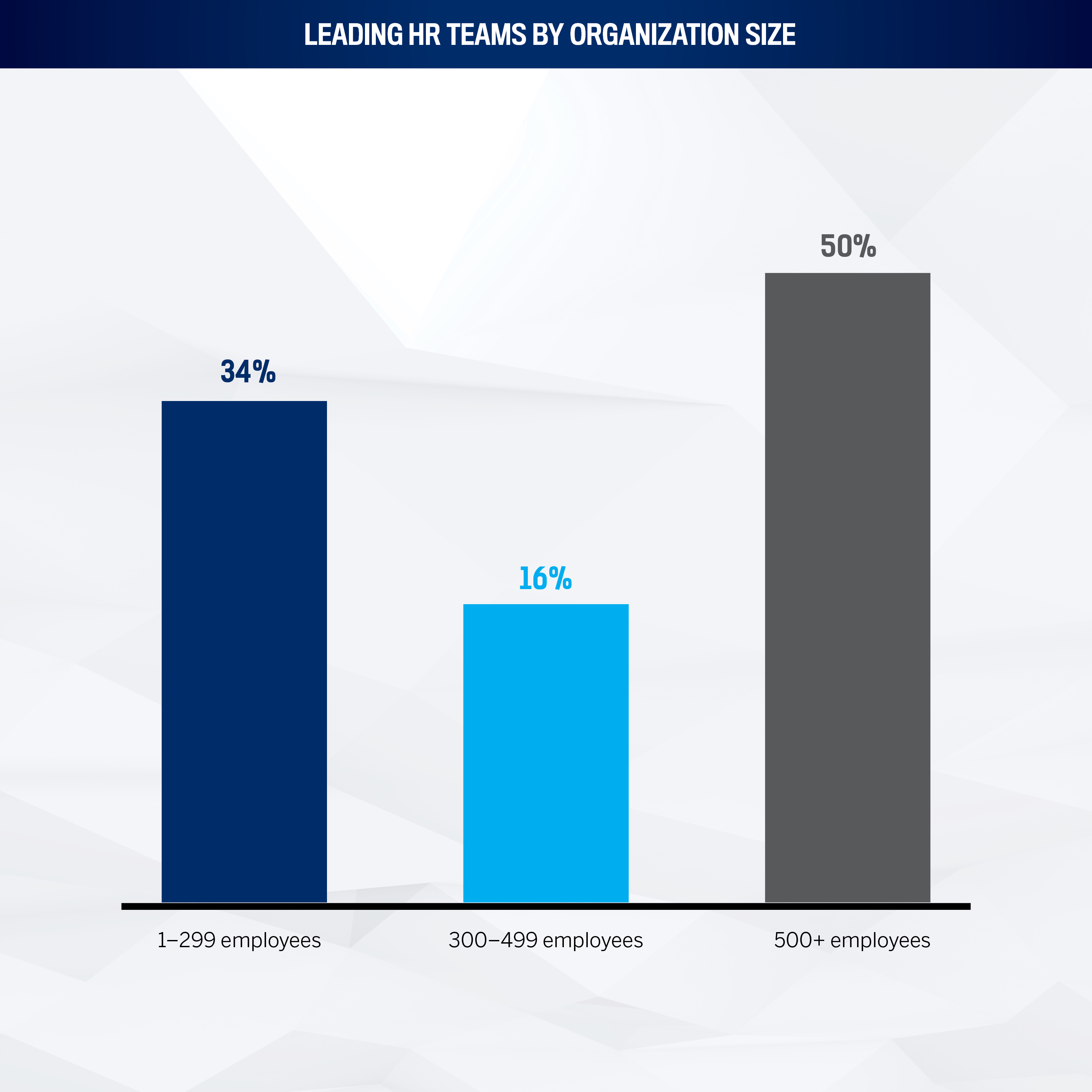




Canadian HR Reporter’s Leading HR Teams report (previously Innovative HR Teams) recognizes firms that are breaking boundaries to move the HR profession forward, whether it’s by taking a progressive approach to recruitment, introducing new technology, or rolling out a groundbreaking reward and recognition strategy.
Readers were invited to submit entries showcasing HR teams that have agile, bold, and forward-thinking people strategies. Nominations focused on areas including talent management, diversity and inclusion, health and wellness, and HR technology. Initiatives introduced and results achieved in 2025 were highlighted.
The CHRR team objectively assessed each entry for detailed information, true innovation, and proven success, along with benchmarking against the other entries, to determine the 32 winners.
The 2026 Leading HR Teams is supported by Black HR Professionals of Canada.