
You make the call
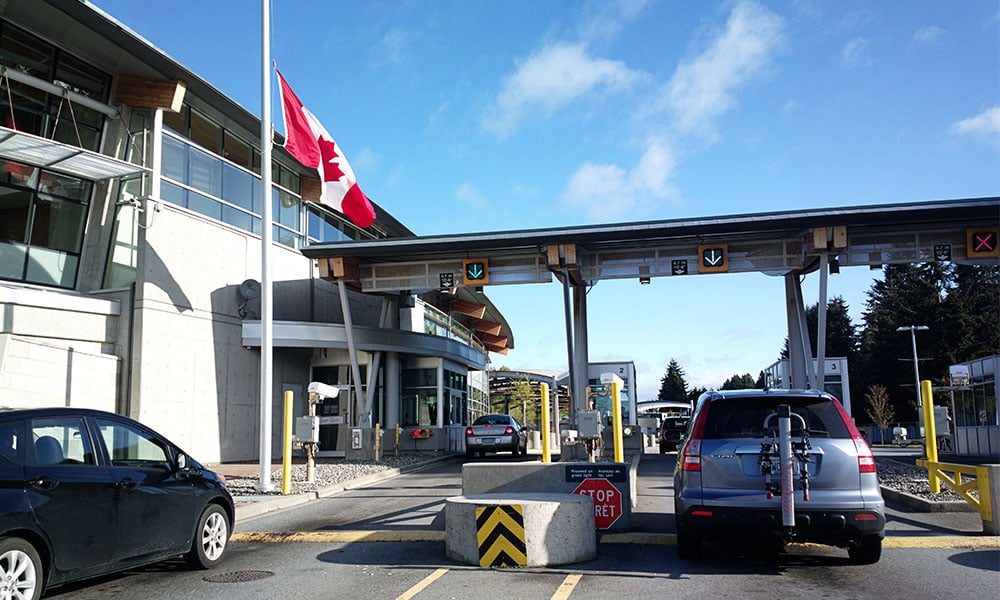
This instalment of You Make the Call involves an employer’s COVID-19 isolation policy and the impact it had on one of its workers.
Kyle Gendron was a third-year machinist apprentice with Algoma Steel, a steel manufacturer in Sault Ste. Marie, Ont. Gendron was a dual citizen of Canada and the U.S. and lived in Michigan, crossing the border every day in order to work at Algoma’s facility.
When the COVID-19 pandemic hit, the Canadian government enacted an emergency order requiring people who entered Canada to isolate for 14 days. The order included an exemption for certain people who have to cross the border regularly to go to work and Gendron fell within the exemption.
However, on March 16, Algoma implemented its own policy — after consulting with the regional public health authority and in recognition of its obligation under the Ontario Occupational Health and Safety Act to take every reasonable precaution for the protection of its employees — that required any of its employees who cross the border to isolate for 14 days before coming to work.
The policy not only made it difficult for Gendron to work, but it also caused other problems for him. Another Algoma employee who lived in the U.S isolated for 14 days and then temporarily moved to the Canadian side of the border while his wife remained in the U.S., but this wasn’t ideal for Gendron as he had custody of his two young children on his days off. The children lived in the U.S. and weren’t entitled to cross the border, so if he moved to Canada during the pandemic, he wouldn’t be able to see his children.
Gendron decided to remain in the U.S. in order to maintain his custody arrangement and, therefore, was unable to go to work with Algoma after March 16. The union filed a grievance against Algoma’s policy, claiming it had an unfair effect on Gendron and he should be allowed to continue working at Algoma’s facility while living in the U.S. It also argued that Algoma breached the layoff and seniority provisions of the collective agreement by preventing Gendron from working and allowing contractors and junior employees to do his work.
You Make the Call
Should Gendron be allowed to work at Algoma’s facility?
OR
Should he be kept out of the workplace?
If you said Gendron should be allowed to come to work while continuing to live in the U.S., you’re right. The arbitrator noted that the evidence showed that lightly populated Northern Michigan wasn’t suffering from COVID-19 as much as other areas of the U.S., but that country in general had among the highest infection rates in the world. As a result, Algoma’s policy was reasonable to ensure the safety of its employees.
The arbitrator found that the layoff and contracting out provisions of the collective agreement were irrelevant since the policy set out an emergency pre-condition for employees to work at its facility. The company only had contractors and junior employees performing Gendron’s work because Gendron didn’t meet that pre-condition, said the arbitrator.
However, the arbitrator also found that the policy forced Gendron into an unusual and difficult situation — having to decide between having access to his two young children and making a living. It wasn’t reasonable for Algoma to force Gendron to make this choice without investigating any possible alternatives to accommodate Gendron’s situation, the arbitrator said, suggesting possible scenarios where Gendron could work distanced from other employees while using increased sanitization and personal protective equipment, Gendron following distancing and mask-wearing protocols while in the U.S., travel restrictions and regular COVID-19 testing for Gendron while in Ontario.
The arbitrator determined that Algoma should allow Gendron to work at its facility while residing in the U.S. without the requirement to isolate, noting that this was in accordance with the federal government’s emergency order exceptions. The arbitrator added that “in order to balance the competing legitimate rights of Mr. Gendron and the obligations of the employer,” Algoma was free to require Gendron to follow any protocols it deemed necessary to maintain safety. In addition, since the situation regarding COVID-19 continued to evolve, either party could request consideration for a change in the decision.
For more information, see:
- USW, Local 2251 and Algoma Steel Inc. (Gendron), Re, 2020 CarswellOnt 10068 (Ont. Arb.).


