
You make the call
This instalment of You Make the Call features an employee who injured herself and sued the owner of her workplace, which was a different company from her official employer.
The worker was employed with a numbered company, 1480364 Ontario Inc., and worked in a Mississauga, Ont. poultry processing plant owned and operated by Sargent Farms Limited, a poultry producer. In addition to having employees of both the numbered company and Sargent Farms, the plant was also occupied by workers from Blue Chip Restoration Limited, a janitorial services company, which cleaned and maintained the building.
The numbered company paid the worker’s wages and her workers’ compensation premiums, and it also made all the deductions from her pay. However, Sargent Farms trained all employees that worked in its plant, determined when they could take time off, made decisions related to discipline and termination and reimbursed the numbered company for the wages of the numbered company’s employees — which were based on calculations made by Sargent Farms from time cards.
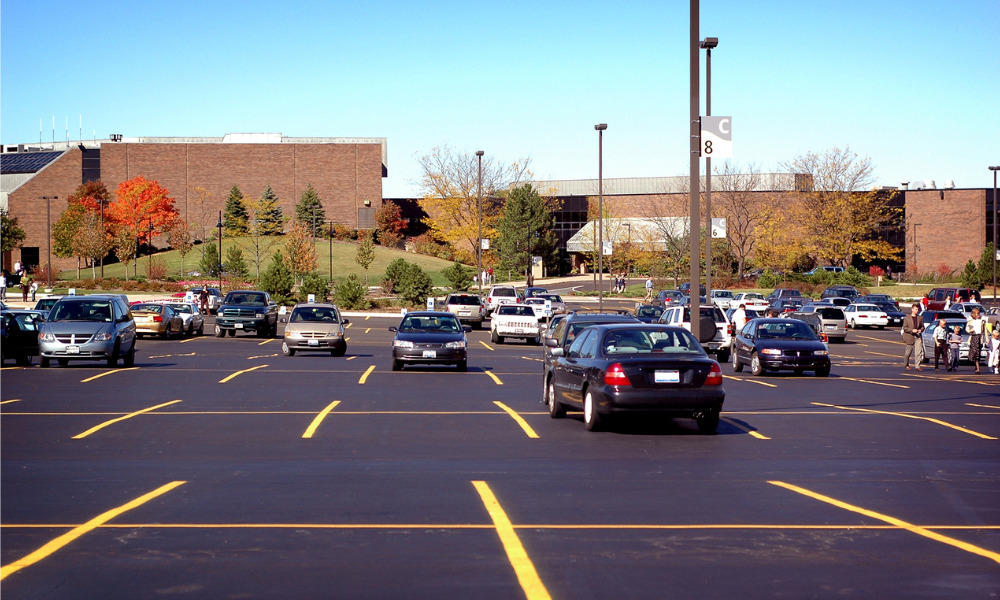
Sargent Farms also owned the parking lot that workers at the plant used and Blue Chip maintained it as part of its services. On Feb. 3, 2014, the worker got out of her car in the lot and was walking toward the building entrance when she fell and injured herself.
The worker filed a civil suit for damages stemming from the accident against both Sargent Farms and Blue Chip as the owner and maintainer of the parking lot. Sargent Farms challenged her right to commence such an action, as her injury had taken place in the course of employment and the Ontario Workplace Safety and Insurance Act, 1997 (WSIA) bars employees from suing employers for such an injury. The ban on such legal action is in exchange for entitlement to the no-fault workers’ compensation scheme. Sargent Farms claimed that it controlled the worker’s employment and was, therefore, her employer.
The worker argued that her employer was the numbered company, which paid her workers’ compensation premiums. This didn’t prevent her from suing the other two companies, she claimed.
You Make the Call
Was the worker able to commence a civil action against Sargent Farms?
OR
Was the worker unable to sue Sargent Farms for her injury?
IF YOU SAID the worker could not sue Sargent Farms for her injury, you’re correct. The Ontario Workplace Safety and Appeals Tribunal found that, while the numbered company paid the worker’s wages and workers’ compensation premiums, Sargent Farms made hiring and firing decisions, including those employed by the numbered company. It also controlled the worker’s employment through training and decisions about vacations and discipline.
“I conclude that, at the time of the accident, although the numbered company was the [worker’s] named employer for the purposes of payroll, as well as a few other related functions, [Sargent Farms] was in the position of being the [worker’s] employer, in substance,” said the tribunal.
Since the worker was in the course of her employment when the accident occurred, the WSIA barred her from commencing a civil action against her employer — which, in the circumstances, was Sargent Farms, the tribunal said.
The worker appealed to the Ontario Superior Court of Justice on the basis that the tribunal’s decision was unreasonable because there was a lack of evidence about the arrangement between the numbered company and Sargent Farms. However, the court determined that the tribunal analyzed the relationship between the companies and reasonably concluded that Sargent Farms was, in substance, the worker’s employer, barring the worker from launching a civil action related to the workplace accident.
For more information, see:
- Chen v. Workplace Safety and Insurance Appeals Tribunal, 2021 ONSC 1149 (Ont. S.C.J.).


