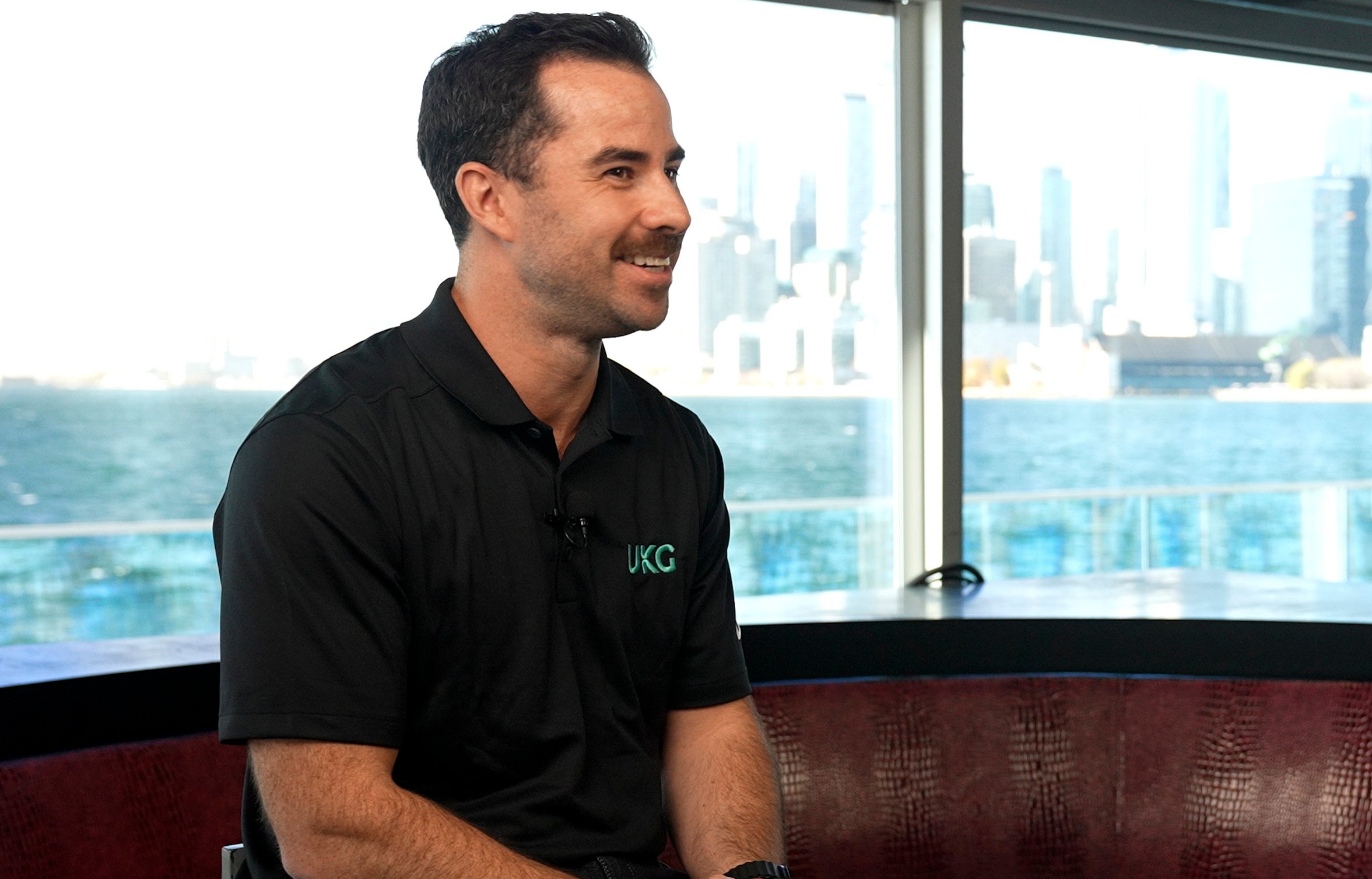
Technology ‘should help people find each other faster. It shouldn't decide who gets hired’

AI-assisted job applications have made polished résumés so common that they no longer tell employers much about a candidate, according to Katie Dolgin, founder and CEO of Toronto-based recruitment firm Found People Inc.
"AI-assisted applications have flattened the signal. When every résumé is polished and every cover letter hits the right keywords, the document stops telling you much. Everyone looks equally qualified," Dolgin says in written responses to Canadian HR Reporter.
Dolgin recruits tech and go-to-market talent for startups and investor-backed firms in Canada and the U.S. That shift, she says, has changed what employers want.
From skills to judgment in AI-era hiring
"The biggest shift is from 'Can you do the job?' to 'Can you figure out what the job should be?'" she says.
With startups running lean, she says, every hire now carries more weight.
"As AI makes it faster to produce work, the human skills become the differentiator. Judgment. Emotional intelligence. How someone shows up in a room, handles a tough conversation or earns a team's trust," Dolgin says.
How employers are adapting their screening process
Testing for those qualities means seeing past the application. Many believe they can spot AI: 79 per cent of more than 1,500 hiring managers surveyed by Robert Half say they can detect AI use in applications.
Dolgin focuses on honesty. Using AI to explain experience is acceptable, she says; claiming others' work or using undisclosed AI in live interviews is not.
"The signal has moved from the document to the conversation," she says. "A résumé bullet says 'Cut latency by 40%.' My favourite follow-up is 'What did you try first that didn't work?'"
Employers adapting well, she says, use structured live interviews, work samples and tougher reference checks, echoing the skills-based hiring adopted by Canada's leading HR teams.
Ghosting and the case for human connection
Conversation also tackles ghosting, where candidates or employers cut off contact mid-process.
Dolgin says it has changed shape but persists, and ties it to connection, not market conditions. The toll is real. Seventy per cent of Canadian job seekers say employer ghosting has hurt their mental health and motivation, a January 2026 Employment Hero survey of 1,004 Canadians found.
Her fixes include shorter processes, clear timelines and feedback within 24 to 48 hours. "But the real fix is making candidates feel like people, not applications."
Peer benchmarks appear in Canadian HR Reporter's Employers of Choice 2026 special report.
AI screening, disclosure and accountability
That people-first principle shapes her view of technology. "AI should help people find each other faster. It shouldn't decide who gets hired."
She values AI for sourcing but is wary of automated keyword screening. "If a system is built around familiar career paths, it can filter out exactly the people you most need to see. Someone accountable should own every 'no.'"
Job seekers share that caution. Only 13 per cent in the Employment Hero survey say it is acceptable to use AI to screen résumés.
Dolgin also wants employers to tell candidates when they screen with AI. In Ontario, since Jan. 1, 2026, the Employment Standards Act, 2000 has required employers with 25 or more employees to state in public job postings whether AI is used to screen, assess or select applicants. Its scope is still being tested, as how Ontario employers are grappling with the AI disclosure requirement shows.
"Anyone can generate a polished application now. What can't be automated is trust, judgment and the feeling of being genuinely seen by the person across the table," Dolgin says. "Being human is becoming a competitive advantage, for candidates and for employers."