
Company has been steadily expanding wholesale fuel operations in North America
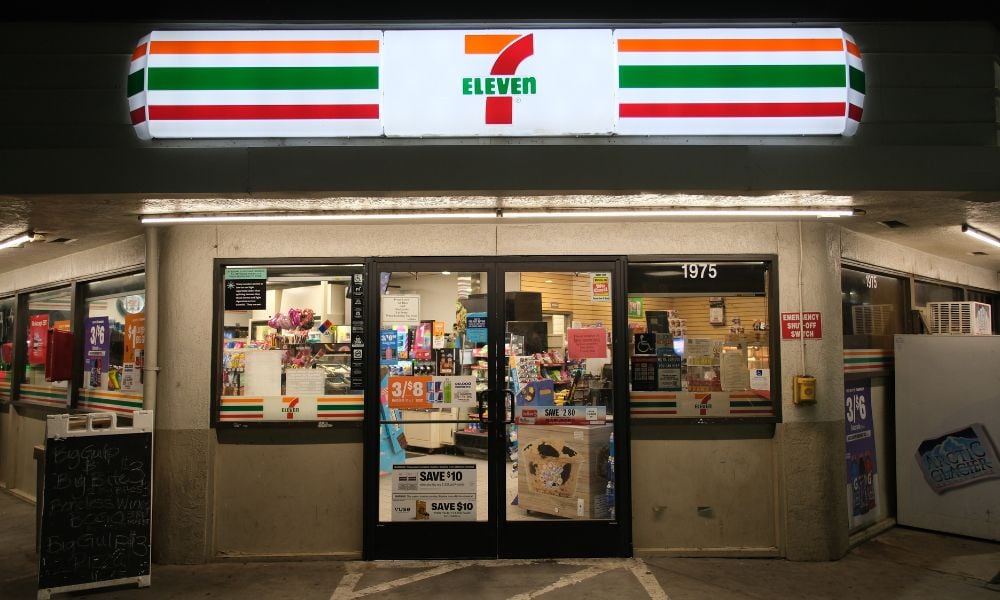
Convenience chain 7‑Eleven plans to close “hundreds of locations” across Canada and the United States this year, a move that could affect thousands of front‑line workers and reshape staffing strategies across the retail and service sectors, according to a report.
The North American operator expects to shut 645 stores during its 2026 fiscal year while opening 205 new locations over the same period, CBC reported, citing information from the company’s recent earnings filings.
That equates to a net reduction of more than 400 outlets across the region.
In 2025, Hudson’s Bay Company announced it is closing shop, and over 8,300 workers were left unemployed. Meanwhile, Starbucks also announced in September 2025 that it was set to close a number of its coffeehouses across North America, including Canada, and eliminate approximately 900 non-retail jobs as part of a sweeping restructuring effort aimed at strengthening its core business and enhancing the customer experience.
Affected locations remain unspecified
The 7-Eleven closures “include the conversion to wholesale fuel stores,” Japan‑based parent Seven & i Holdings reported in its financial filings, according to CBC.
The company has been steadily expanding its wholesale fuel operations in North America, which accounted for more than 900 locations as of December 2025, according to the report.
In an April 9 report cited by CBC, Seven & i said that in North America “although the economy remained robust, personal consumption also began to soften” during its 2025 fiscal year – “particularly among low‑income households, as inflation continued to weigh on spending.”
At the same time, CBC reported that store openings outside North America are expected to outpace closures, with Seven‑Eleven Japan planning to close about 350 stores while opening 550 locations. Seven & i forecasts a 9.4 per cent decline in revenue for the current fiscal year, to nearly 9.45 trillion yen (about $81.95 billion Cdn), prompting a more selective allocation of capital and people across regions.



