Chief justice warns of burnout for judges, employees

Federal Court chief justice Alan Diner says a roughly 600% rise in immigration filings since 2020 has left judges and staff working weekends and cancelling vacations, a pattern he called unsustainable for long-term employee well-being, according to a report.
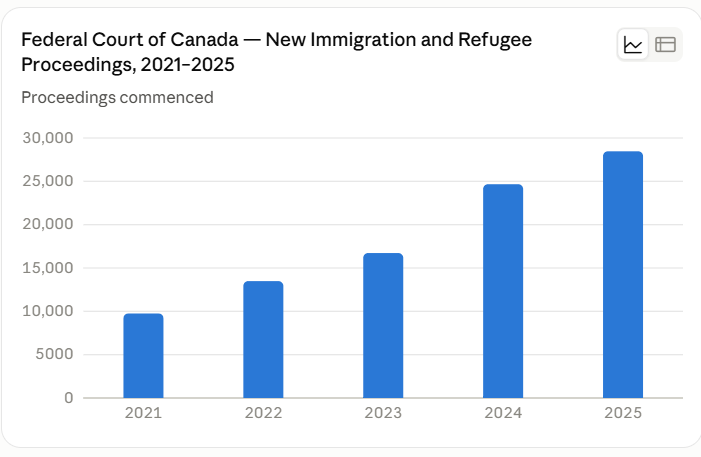
Diner, sworn in as chief justice on July 6, told The Canadian Press that the court handled 5,000 to 6,000 immigration cases a year when he joined in 2014. Filings hit 9,700 in 2021, and the court is now on track for more than 33,000 this year.
More than 14,000 cases were filed between Jan. 1 and June 30, with about 28,000 pending, according to the report.
The court has 44 judges, including Diner, with no increase despite the caseload rise.
"[It’s] so difficult for the same number of judges to do six times the amount of work," he said, adding the government has been made aware that more judges are needed, according to the report.
Staff working weekends and vacations
Diner told CP that judges and staff are relying on personal time to manage the volume. "They're working around the clock, working weekends, working vacations... available evenings, available weekends to try and deal with this volume," he said.
"It would be a lie for me to say this is without challenges. Judges are being pressured, court staff are being pressured... but we're doing what we can," he said.
Diner added the approach is unsustainable long-term. "Working weekends, working holidays, working through your vacations is not really an acceptable answer to how we're going to have long-term well-being," he said, warning sustained pressure can leave people "feeling sensitive, burned out, and so forth."
Ottawa immigration lawyer Jacqueline Bonisteel linked part of the backlog to IRCC's growing reliance on automated decision-making tools, arguing that "a human officer isn't spending as much time with the files as they once did," which she says produces more refusals and, in turn, more court challenges, according to a previous CP report.
Boder security legislation
Part of the increase stems from Bill C-12, border security legislation passed in March, limiting the Immigration and Refugee Board to hearing claims made within a claimant's first year in Canada, retroactive to arrivals after June 24, 2020.
Claimants who miss that window are eligible only for a pre-removal risk assessment, appealable solely through the Federal Court. Since C-12 became law, the court has received over 2,000 constitutional challenges, CP reported.
Also, immigration filings made up about 86% of matters brought to the court in the first half of the year, according to the report.
Here's the year-by-year breakdown of new immigration and refugee proceedings commenced at the Federal Court of Canada, drawn directly from the Court's own quarterly statistics:
Diner said demand is also rising elsewhere, including national security matters, class actions and judicial reviews.
Already, 3 in 10 workers in Canada say the back-to-school season is increasing their stress at work, according to a previous survey.