
Salesperson's dismissal follows harassment complaint, boss' misguided comments
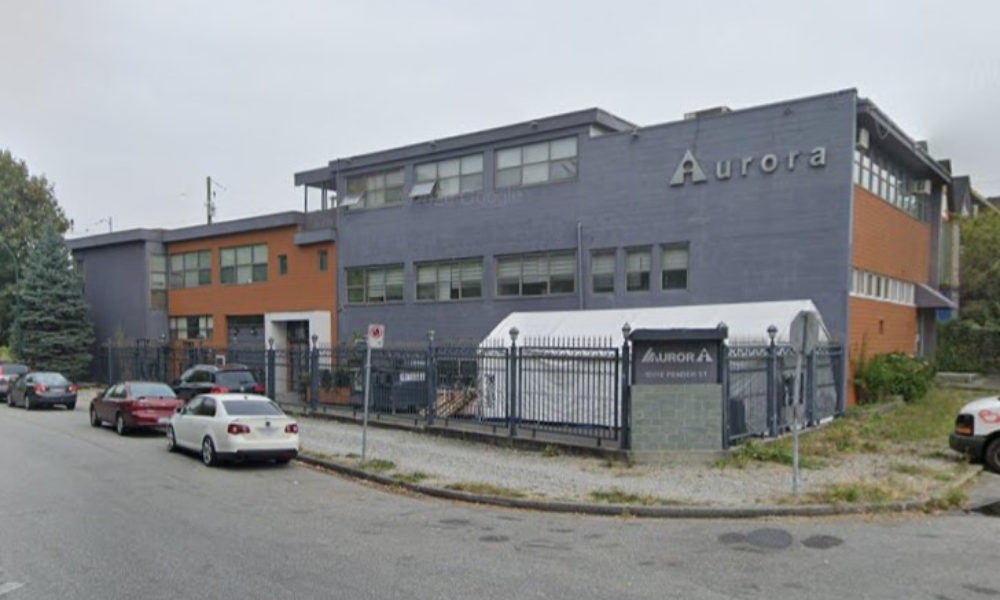
A British Columbia company must pay a worker more than $24,000 after its founder made inappropriate comments and fired her after she complained, the B.C. Human Rights Tribunal has ruled.
The worker was a sales associate for Aurora Biomed, a medical equipment supplier in Vancouver, starting on Jan. 3, 2017. The company was run by Dong Liang.
The worker’s sales were significantly lower than those of her more experienced colleagues, so she began feeling stressed. Her manager tried to provide positive feedback, but Liang liked to push his sales staff and the worker found him difficult to work with due to his loud and emphatic talking, which the worker felt was yelling.
About three weeks after the worker started, Liang began calling her “beautiful lady” and “beautiful girl.” She ignored this at first, but eventually she reminded him of her name and he started using it. However, she later reported that Liang referred to her as “beautiful girl/lady” for the first five months of her employment and she had to repeatedly ask him to stop.
The worker also claimed that Liang regularly told her to smile more because it made her “look better,” he sometimes responded to her questions by saying, “You don’t need to talk, just smile,” and he regularly told her that she was hired for her appearance. The worker grew more unhappy and began experiencing panic attacks, so she took time off in December 2017.
The worker met with her manager and requested that she no longer report directly to Liang. She said that he had harassed her, so they had a second meeting on Jan. 30, 2018 that included Liang. He denied sexually assaulting her and the worker agreed that he hadn’t assaulted her, but she tried to explain that sexual harassment could also be verbal.
The manager asked the worker to sign a document describing what was said at the earlier meeting along with a note saying that she hadn’t experienced verbal or physical harassment during a work trip with Liang. The worker felt pressured, but she signed in order to end the meeting.
The next morning, the HR manager called the worker and told her not to come to work because her position had been terminated. Shortly thereafter, Aurora confirmed her termination by email.
The worker asked about an unpaid commission, but she was told that she wasn’t entitled to it because payment for the sale hadn’t yet been received in full. Aurora offered to pay the commission if she signed a statement saying that she had made false accusations of sexual harassment against Liang and her dismissal was due to poor performance. The worker refused and filed a human rights complaint.
The tribunal found that the evidence indicated that Liang occasionally called the worker “beautiful lady/girl” and told her to smile more, but these were “misguided, non-sexual attempts to be friendly and warm.” Noting the discrepancy in the worker’s claims that first it was for a short period of time and then that it was for several months, the tribunal pointed to evidence showing that Liang was on the road about 55 per cent of the year, so there were limited opportunities to make the comments.
However, the tribunal also noted that while Liang’s intention may have been innocuous, referring to a woman’s appearance can undermine her skills and reinforce the belief that her value is related to her physical appearance. As a result, the comments made the worker feel degraded, particularly with the power imbalance between them and the stress the worker was already feeling.
The tribunal also found that the timing of the termination was suspicious. Aurora couldn’t explain why it decided to terminate the worker so quickly after the meeting and its clear priority was protecting Liang and the company, said the tribunal, adding that pressuring the worker to sign documents stating that her allegations were false without giving her the opportunity to seek advice or think about it was inappropriate.
The tribunal determined that the worker’s sexual harassment complaint was a factor in her termination, which constituted sex discrimination under the B.C. Human Rights Code. Aurora was ordered to pay the worker for wages and commission lost because of the discriminatory dismissal and $20,000 for injury to dignity, feelings and self-respect — a total award of $24,178.67. See The Sales Associate v. Aurora Biomed Inc. and others (No. 3), 2021 BCHRT 5.


