
Prorating under policy due to missed time on medical leave
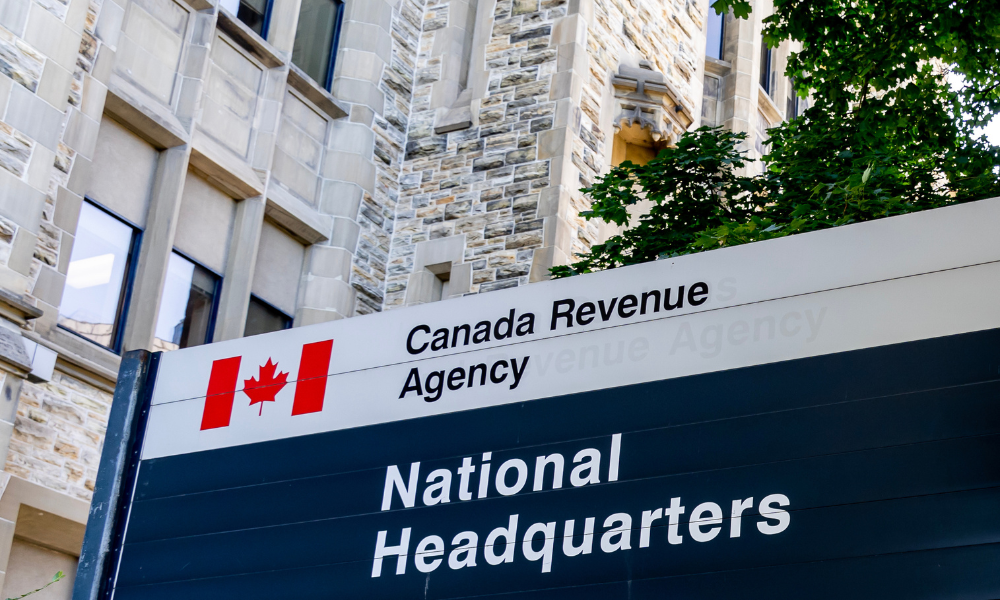
The prorating of a worker’s annual performance award due to a four-month medical leave wasn’t a disciplinary action and was part of a consistent application of the policy, the Federal Public Sector Labour Relations and Employment Board has ruled.
The worker was an executive with the Canada Revenue Agency (CRA), having been with the agency since the late 1980s.
The CRA has a policy covering performance management for executives providing for annual assessments of their performance. They receive performance ratings between zero and five, and those who receive at least a two rating are eligible to receive a lump-sum performance award.
The policy stipulates that the awards are prorated when an executive has been on leave or is appointed partway through the year, with the exception of paid vacation leave. Prorating is done on a monthly basis, with partial months being calculated as a period of a certain number of days.
The worker went on medical leave on June 6, 2022, returning on Sept. 30. At the end of the 2022-23 performance year, the worker was assessed at level three, which indicated that she had “succeeded.” She was paid a lump sum performance award. However, the CRA took into consideration her four-month medical leave and prorated her award, providing her with 8/12 of the normal award for that performance level - $4,995 lower than the normal amount.
Medical leave punished: worker
The worker grieved the decision to prorate her performance award, contending that the CRA should have granted her an exemption from the prorating rule. She argued that the policy was inconsistent in its application, as it was “outdated and punitive” by essentially punishing her for taking the time off as medical leave, since the policy didn’t prorate when paid vacation leave was taken. She said the policy “directly contradicts CRA’s promotion of health and wellness” and she wasn’t advised by her supervisor of any consequences of using an earned paid leave entitlement.
The CRA agreed to review its prorating policy, but it denied the grievance. The worker then took it to the board, claiming it was related to “a disciplinary action resulting in termination, demotion, suspension or financial penalty” as described by the Federal Public Sector Labour Relations Act. She also noted that she had gone on medical leave due to a previous complaint against management that had led to her being considered a “troublemaker” and downgraded in CRA’s talent assessment.
The board found that the prorating of the worker’s performance award wasn’t a disciplinary action and, therefore, it had no jurisdiction to hear the grievance. For an action to be disciplinary, the employee’s conduct giving rise to had had to be voluntary, the nature of it should warrant consideration of discipline, the intent of the employer should be to discipline, and the impact on the employee should be considered.
Not disciplinary
The board found that the worker’s conduct giving rise to prorating her performance pay – going on medical leave – was involuntary because she didn’t choose to become ill. In addition, the CRA applied its existing policy on prorating performance awards uniformly – it had never exempted employees on medical leave - it had no discretionary component, and it wasn’t intended as a corrective measure for misconduct.
The worker also argued that the prorating policy was discriminatory on the basis of disability, but the board said it had no jurisdiction to hear a grievance solely based on an alleged violation of the Canadian Human Rights Act.
The board noted that the jurisprudence had differing results on whether prorating constituted a financial penalty. However, since the CRA’s action wasn’t disciplinary, it determined that it didn’t need to rule on the issue. The grievance was dismissed.


