
Policy stated refusal was violation; worker refused second chance from supervisor
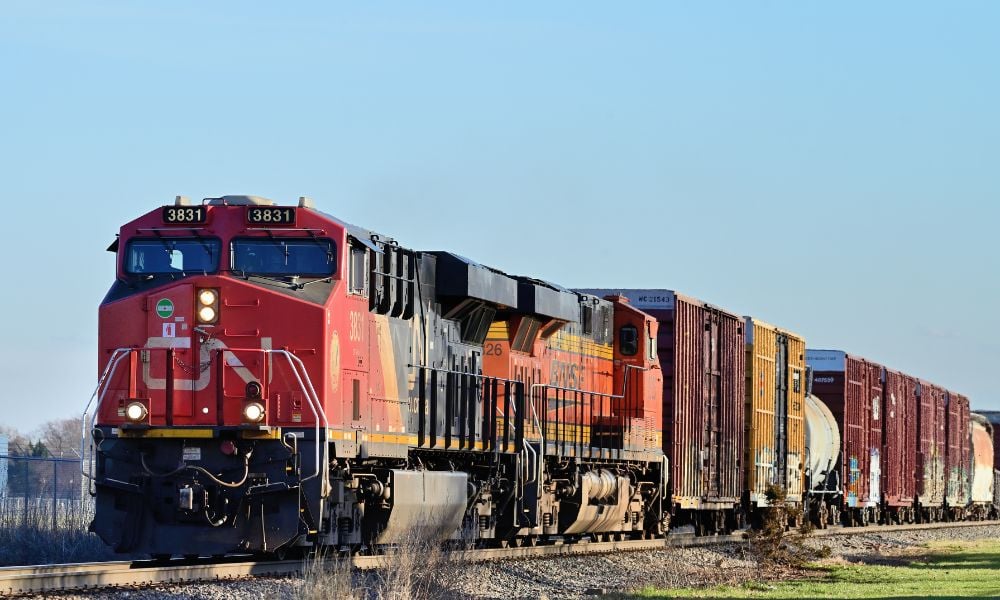
A federal arbitrator has upheld the dismissal of a long-serving worker at a Canadian railway company after the worker refused to submit to post-incident drug and alcohol testing.
The 52-year-old worker was a top lift operator for Canadian Pacific Kansas City Railway (CPKCR) in a rail yard in Vaughan, Ont. His disciplinary history over 20 years of service involved 10 demerit points issued in 2013, with no discipline since 2019.
CPCKR had an alcohol and drug policy and procedure requiring employees to remain “free from the adverse effects of alcohol and/or drugs including acute, chronic, hangover, and after-effects of such use.” Employees in safety-critical or safety-sensitive positions were also required to avoid using cannabis for 28 days before reporting for work, and they were also subject to any regulatory requirements related to alcohol and drugs from various regulatory authorities for the transportation industry.
The policy also required employees to submit to drug and alcohol testing following a significant incident at work. If an employee refused post-incident testing, it would be considered a violation of the policy that would be subject to discipline up to and including dismissal.
The policy stated that employees couldn’t be forced to submit to a test, but refusal would still be considered a violation and could be taken “as a negative inference by the company in its subsequent investigation.”
Post-incident test
The worker was involved in a motor vehicle accident at the railway yard and left CPKCR property shortly thereafter. As a result, he failed to participate in a post-incident drug and alcohol test as required by the company’s alcohol and drug policy and procedures.
The worker’s supervisor warned the worker that the company could make a negative inference from his refusal, but the worker said he would only accept testing after the requisite times for effective results had passed.
The company took the worker’s failure to undergo testing as a violation of the policy and it took the position that it could infer that he knew that he was under the influence of drugs or alcohol. After an investigation, CPKCR terminated the worker’s employment.
The union grieved the dismissal, arguing that termination was excessive for “a good employee with a virtually clean discipline record” and 20 years of service. It also suggested that the worker acted in a moment of panic and he didn’t habitually use drugs. It suggested that a six-month suspension with random testing for two years should be substituted for termination.
CPKCR maintained that the worker violated its alcohol and drug policy by refusing to undergo post-incident testing and the refusal, despite warnings from the supervisor about the potential consequences, justified an inference of impairment. The company further submitted that such refusals have been consistently upheld in arbitration as grounds for dismissal in safety-sensitive industries.
Violation of drug and alcohol policy
The arbitrator determined that the refusal to test was a clear violation the CPKCR's policy. Citing previous arbitral decisions, the arbitrator noted that refusal to participate in post-incident testing could be interpreted as evidence of impairment. The ruling emphasized that previous cases had supported termination in similar circumstances.
While acknowledging the worker’s long service, remorse, and relatively clean record, the arbitrator found these mitigating factors insufficient to overturn the termination, noting that the worker “consciously and intentionally refused to post-incident test, even when given a later opportunity to do so by his supervisor.”
“The company is entitled to take a very negative inference from this wrongful refusal and to infer that the [worker] was impaired at work,” said the arbitrator in concluding that CPCKR’s termination of the worker’s employment was reasonable. The grievance was dismissed.


