
Nova Scotia worker's claim for two weeks' notice of termination, reason for dismissal denied
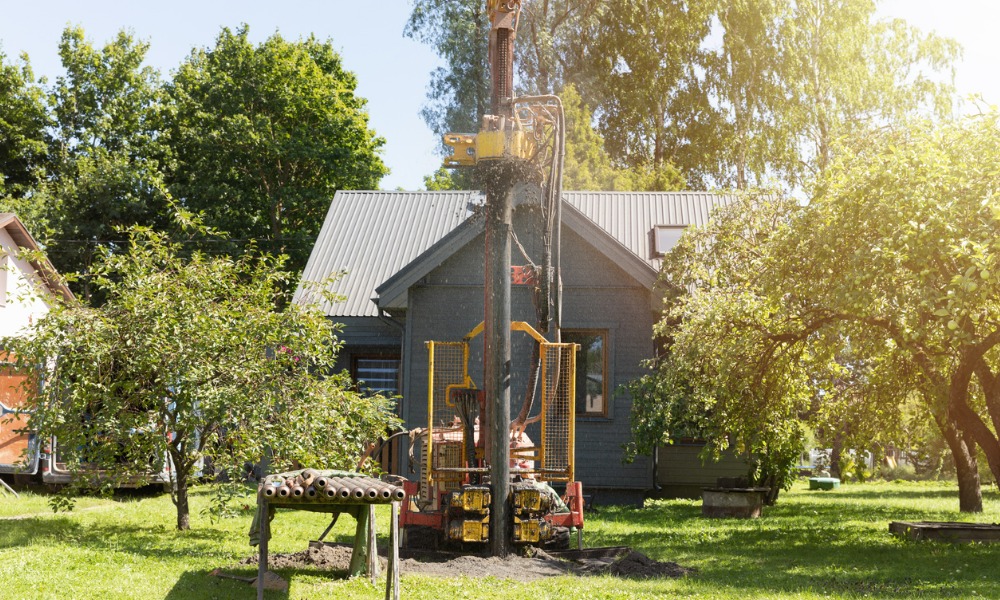
Island Well Drillers (IWD) is a well drilling contractor based in Sydney, N.S., that handles the construction and maintenance of water wells, mostly on Cape Breton Island.
The worker joined IWD in 2017 as a pump installer. He mostly worked in residential settings, but occasionally was assigned to commercial and industrial wells.
On Nov. 1, 2021, after four years of service, IWD terminated the worker’s employment without cause and didn’t provide any advance notice. The company also did not provide any termination pay or a reason for the termination.
The worker found a job with a competitor company the day after his dismissal from IWD. He later left that position for employment that he considered better. However, he filed a complaint against IWD under the Nova Scotia Labour Standards Code for at least two weeks’ statutory termination pay. He also argued that he should have been given a reason for his termination.
When an employee disagrees with the reason for termination, it may require a settlement or could lead to a civil action, says an employment lawyer.
No statutory notice entitlement
The province’s director of labour standards denied the worker’s claim, pointing to the fact that the statutory requirements for minimum notice do not apply to persons working in the construction industry.
The code expressly states that the minimum of two weeks’ notice in writing for an employee who has been employed for two years or more but fewer than five years does not apply to “a person employed in the construction industry.” The code further defines “construction industry” as “the on-site constructing, erecting, altering, decorating, repairing, demolishing of buildings, structures, roads, sewers, water mains, pipe-lines, tunnels shafts, bridges, wharves, piers, canals, or other works.”
The worker appealed to the Labour Board, arguing that he was not an employee in the construction industry as defined in the code and was therefore not exempt from the statutory minimum notice requirements.
The labour board noted that the provincial legislature intended to make distinctions between employees who work in construction and those who don’t. The reason for doing so may be because of the transient nature of construction employment, although that wasn’t completely clear, said the board.
An employee should be given at least seven days to review a termination letter and release, according to an employment lawyer.
Construction industry treated differently
In this case, the board found that the worker’s employment involved the construction and maintenance of water wells, which fell under the code’s definition of “on-site constructing, erecting… water mains, pipe-lines, tunnels, shafts… or other works.” In addition, the worker was employed as a hands-on worker at the site of building wells.
The board noted that the worker wanted to know why he was dismissed, but IWD did not provide a reason and the company continued to decline to give a reason. The board suspected that the reason was personal rather than performance-related, but it was irrelevant.
“Legally speaking, an employer does not have to give a reason unless it is alleging just cause for termination,” said the board. “In the non-unionized sector, an employer may dismiss without cause and without providing a reason, though it may be liable to provide reasonable notice.”
Employers shouldn’t undermine their position by choosing not to allege just cause when it exists, says one employment lawyer.
Common law notice not at issue
The board noted that it was still possible that an employee in the construction industry could be entitled to common law reasonable notice, but it was clear that there was no entitlement to statutory pay. Since the worker’s complaint was a labour standards complaint, the board had no jurisdiction to address common law reasonable notice.
The labour board upheld the director’s decision, determining that IWD had no legal obligation to provide notice, termination pay, or a reason for termination.


