
Warnings about performance didn’t offer sufficient improvement instructions or indicate job at risk
The Alberta Labour Relations Board has upheld an employment standards officer's decision that an employer failed to establish just cause for the dismissal of an employee for alleged poor performance and insubordination.
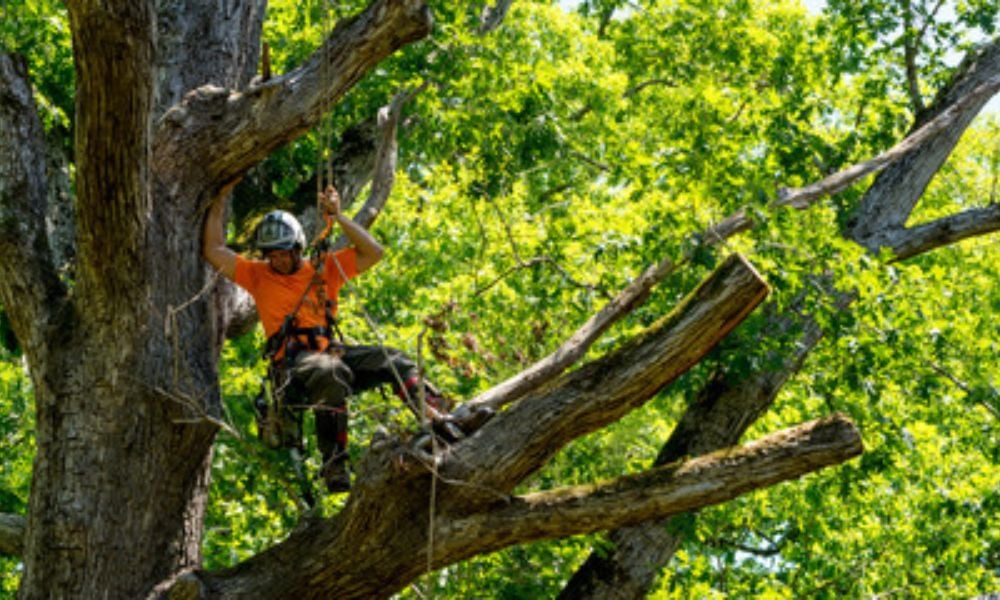
Arbortech Utility Services is a company in Leduc, Alta., providing services such as tree removal, tree pruning, and herbicide application. It hired the worker in July 2022 as a safety administrator.
Shortly before the worker began her employment with Arbortech, the worker’s direct supervisor – the company’s vice-president of health, safety, environment and sustainability – went through several documents with her, including an employment agreement and code of conduct. The former included a “termination for cause” provision that allowed Arbortech to terminate the worker’s employment for just cause without notice or severance pay, while the latter stated that disciplinary action or termination could result from a failure to follow the code.
The worker also signed a rules form that listed general rules and safety requirements as well as a list of misconduct that “can result in immediate termination.”
Reminders of performance issues
The worker had regular meetings with her supervisor and Arbortech’s field safety advisor about double- and triple-checking her work, including every Monday, Wednesday, and Friday. In February 2023, they found inaccuracies in information that the worker pulled for a report, so they reminded her once again.
On April 20, 2023, the worker received a verbal warning about her failure to follow the chain of command for certain issues. The worker and her supervisor signed it. A short time later, there was another warning for an inaccurate personnel list the worker provided, but there was no date, no one signed it, and there was no entry for corrective actions to be taken.
In May 2023, the worker received two verbal warnings – one for not moving boxes as instructed and another for not following the office dress code. However, neither warning was signed by anyone.
On Aug. 14, the worker received a written warning for her lack of accuracy in work product, with the instruction to ensure all her work was doublechecked and accurate. The worker and her supervisor signed this warning. Her supervisor and the field safety advisor had been reviewing the worker’s work for use at a quarterly meeting and found several errors in the data she had provided, which could have impacted client relationships and the company’s safety compliance.
Termination for cause
Two days later, management found more errors in data submitted by the worker. Her supervisor spent the day trying to fix the errors and the verbally terminated her employment, saying that it was for cause due to the inaccuracy of her work. The company had determined that the worker had been given opportunities to improve and she hadn’t, so her continued employment wasn’t viable.
Arbortech provided a termination letter stating that the worker was terminated “based on poor performance and insubordination,” with the latter relating to her repeating her mistakes after being brought to her attention previously.
The worker filed an employment standards complaint for termination pay, alleging that Arbortech hadn’t established just cause for dismissal that disentitled her to termination pay. She pointed out that she hadn’t received any performance reviews, she only received two official signed warnings, and she was never warned that her job was at risk if she didn’t improve.
An employment standards officer agreed, ordering the company to provide the worker with pay in lieu of notice, equal to one week’s wages of $925.38, plus a $100 order of officer fee.
Arbortech appealed the decision, arguing that it had just cause to terminate without termination notice or pay.
Warnings not clear, explicit
The board determined that Arbortech didn’t meet the necessary legal threshold to prove just cause for dismissal, pointing to two key deficiencies in how the company handled the termination. The first was that the warnings issued to the worker regarding her performance were neither clear nor explicit. While Arbortech pointed to verbal and written warnings issued over several months, the board ruled that these didn’t explicitly communicate that her job was at risk if she failed to improve.
General reminders during weekly meetings and corrective actions outlined in warning forms were inadequate, said the board, adding that the warnings failed to provide specific instructions for improvement or to clearly state the consequences of continued deficiencies.
The board also found that the worker wasn’t given a reasonable opportunity to address concerns following the Aug. 14, 2023, written warning. Her termination just two days later provided insufficient time for her to demonstrate improvement, the board said, adding that employees must be afforded a genuine chance to rectify performance issues before termination for just cause is pursued.
The board referenced the Alberta Court of Appeal decision in Lowery v. Calgary (City of), 2002 ABCA 237, and other precedents to underscore the stringent standards required to justify termination for cumulative incompetence. Employers must issue clear warnings, provide a reasonable timeframe for improvement, and demonstrate that the employee’s failings prejudiced the business, said the board.
The board also noted that the code of conduct and rules form listed certain conduct that “may” or “can” result in termination, but these were generalized statements weren’t definitive enough to serve as a clear warning that dismissal would result.
The board acknowledged Arbortech’s concerns about the worker’s performance, but it determined that the deficiencies cited didn’t meet the legal threshold for just cause. The employer’s reliance on claims of insubordination was also rejected, as the evidence didn’t support allegations of wilful disobedience.
The board confirmed the initial ruling by the employment standards officer, ordering Arbortech to pay $1,025.38 in compensation. See Arbor Tech Utility Services Ltd. o/a Arbortech Utility Services v. Coderre, 2024 ABESAB 23.


