
Evidence successfully proved split shifts, salary advances rather than unpaid wages
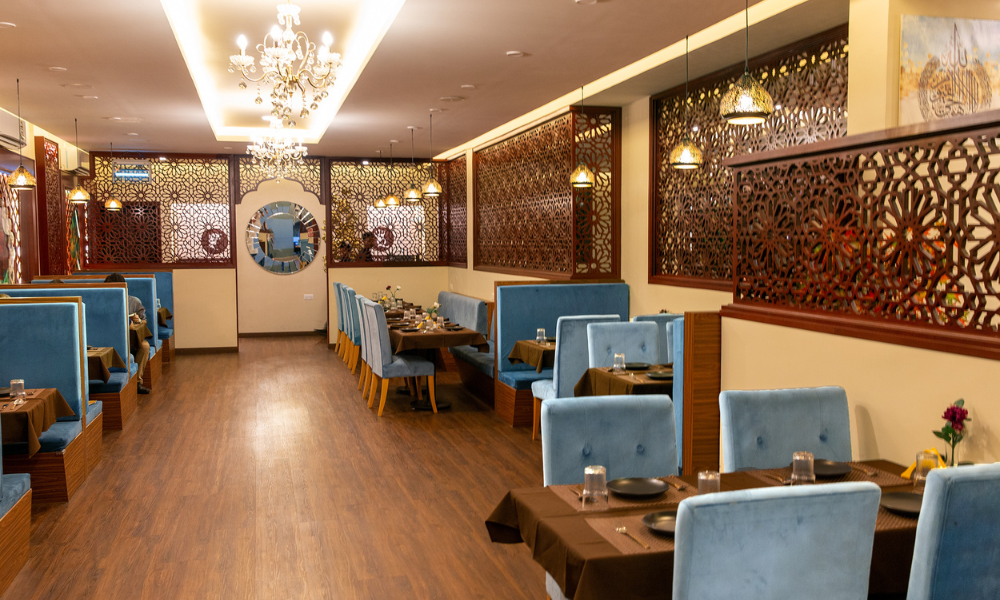
The Ontario Labour Relations Board has rescinded an Order to Pay of more than $28,000 against an employer for alleged unpaid wages, overtime pay, vacation pay, and public holiday pay.
The employer is a family-run restaurant in London, Ont., called Dwarka Pure Veg Restaurant. It hired the worker as a dishwasher on Sept. 2, 2023, paying him a monthly all-inclusive salary of $4,500 in two separate payments each month.
The worker was hired to work eight hours a day, five days a week, but he often worked fewer than five days. Regardless of his hours worked, he received his full pay twice a month.
The restaurant kept a logbook that noted each day the worker worked, including the times he was picked up and dropped off, as they usually gave him a ride to and from home. However, the entries were sporadic and didn’t include every workday.
The worker was employed at the restaurant for two months, with his last day on Oct. 30. He filed an employment standards claim for unpaid wages, overtime pay, vacation pay, and public holiday pay, providing his own handwritten records of the hours he said he worked.
Order to pay unpaid wages
An employment standards officer accepted the worker’s records as the best evidence of hours worked, given the logbook’s incomplete entries. The officer found that the worker was owed unpaid wages, overtime pay, vacation, pay, and public holiday pay, ordering the restaurant to pay the worker a total of $28,871.23, inclusive of a 10-per-cent administrative fee.
The owner of the restaurant was in India during the officer’s investigation and wasn’t able to provide the full logbook. She contacted the officer after the decision to clarify some issues, but the officer wasn’t able to amend the decision.
The restaurant applied to the board, contesting the officer’s calculation of the worker’s hours and wages. The restaurant argued that the worker worked a split shift that included a four-hour unpaid break each day when he could leave, and that advances on his salary it had given him had not been fully accounted for in the decision. It also provided the full logbook of the worker’s hours.
The board found that the full logbook was a reliable source of evidence for the worker’s work hours. Although the entries didn’t include the four-hour break each day, the board accepted the evidence of the owner and her husband that the worker wasn’t required to be in the restaurant from 2 p.m. to 6 p.m. as there was little to do in the restaurant at that time, and it was the same time every day.
Employment Standards Act
The board adjusted the officer’s calculation of the worker’s total work hours, noting that the Employment Standards Act, 2000 (ESA) states that an employer isn’t required to pay an employee for an eating period in which work isn’t being performed, or any period where a worker doesn’t perform work and isn’t required to remain in the workplace.
The restaurant also provided a business log confirming that the worker was paid in advance on each month’s salary. The worker was fully paid for October 2023 and he had requested and been paid an advance on his November salary of $2,650. The owner testified that the plan was for the worker to gradually pay back the advances, but he didn’t work after Oct. 30. As a result, the board determined that the worker received $13,650 in wages, significantly more than the $2,738.60 previously credited by the employment standards officer.
The restaurant also said that it was required to pay the worker’s unpaid rent because they were sureties on his apartment, but the board declined to include this amount as the ESA prohibits employers from making deductions from wages unless permitted to do so by statute, court order, or written agreement with the employee.
The Board found that the worker’s wages met the minimum wage requirements under s. 23(1) of the ESA, as he was paid $9,000 for the two months he worked, exceeding the required $4,947.86 based on the calculated hours he worked.
Overtime, holiday pay
Regarding overtime pay, the logbook indicated that the worker exceeded 44 hours of work in only one week, entitling him to $25.57 in overtime wages for an extra 40 minutes.
The worker had also worked on two public holidays, Labour Day and Thanksgiving, and was given substitute days off, satisfying the employer’s obligations under the ESA. Consequently, no public holiday pay was owed, the board said.
On the issue of vacation pay, the board noted that the worker was entitled to four per cent of his earned wages, amounting to $375.46. However, he had received three paid days off, valued at $623.10, which exceeded the required vacation pay, so no vacation pay was owing, said the board.
The board determined that the worker was fully compensated for his employment period and had, in fact, been overpaid by $4,624.43 from his salary advances for November 2023, when he didn’t perform any work. Accordingly, it found no violation of s.11(5) of the ESA, which requires wages to be paid within a prescribed period following termination.
The board rescinded the employment standards officer’s Order to Pay and directed that any funds held in trust by the Director of Employment Standards be returned to the restaurant. See 14676700 Canada Inc. v. Singh, 2024 CanLII 136281.


