
Worker stuck to his guns throughout disciplinary, arbitration processes
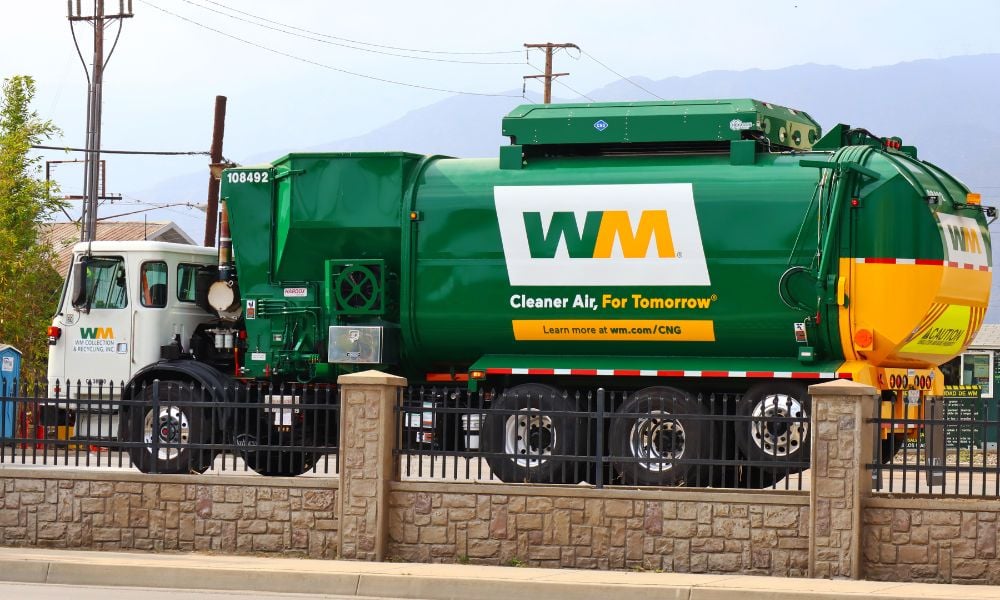
An Ontario arbitrator has upheld the progressive discipline and the dismissal of a worker who refused to fully participate in his employer’s safety coaching process and acted insubordinately towards management in disciplinary meetings.
Waste Management Canada (WM) is a Calgary-based waste disposal company that operates across Canada. The worker was employed with WM in Hamilton, Ont., since 1997, mainly as a front-end driver. He drove a truck that collected garbage bins in residential areas.
WM had several safety initiatives in place, including a “drivecam” system” that was installed in all waste collection trucks in 2018. The system featured an outward-facing camera and an inward-facing camera that was activated by artificial intelligence when certain events – such as sudden braking, rolling through a stop sign, the driver taking his hands of the steering wheel, or the driver talking on a cellphone – were detected. When activated, the cameras recorded 12-second video clips consisting of eight seconds before and four seconds the event.
When the “drivecam” system was activated, the footage was sent to a third-party company. This company reviewed the footage to determine if there was a rule violation and, if so, it sent the footage to WM. WM would then review the footage with the driver as a coaching tool. Review sessions were considered coaching and weren’t disciplinary, as their goal was to identify and coach bad habits before they became serious.
WM also monitored employee driving habits with on-road and in-cab observations by supervisors, but the company considered these less effective because the drivers were aware they were being observed.
Safety coaching session
On Jan. 25, 2024, WM received drivecam footage of the worker failing to stop at a stop sign. A supervisor met with the worker to review the footage with him, but the worker refused to watch the inward-facing footage, saying that it was “voyeurism.” The worker said he wasn’t feeling well and went home.
According to the worker, a former manager hadn’t required him to see himself on the inward-facing footage for such reviews. However, the supervisor said that the footage was important, as they needed to review what he was doing at the time of the violation, and he was required to watch the interior footage.
The next day, they met again, this time with a union representative. The worker repeated his refusal without providing an explanation, so WM issued two disciplinary points under its Global Points Policy, that was part of the company’s progressive discipline program. WM also gave him a disciplinary notice on Jan. 30 that directed him to watch all drivecam clips as required and follow all company rules and policies.
At the Jan. 30 meeting, the worker became upset when he received the disciplinary notice and called the supervisor a liar. He also swore several times and yelled before abruptly leaving before the meeting was over.
Insubordination
WM issued the worker four disciplinary points for breaching the code of conduct with his behaviour at the meeting. The area collections manager told the worker that insubordination was unacceptable and he needed to fully participate in the safety program and treat all WM employees with respect. He also said that if the worker continued to refuse to watch the inward camera footage, his employment would be terminated.
The worker said he was going to see his doctor, but he didn’t provide any subsequent medical information to WM.
The worker emailed an HR representative saying he couldn’t watch the inward footage because it was “embarrassing and it is a method of shaming…” The HR representative didn’t respond.
On Feb. 5, the supervisor met with the worker to review drivecam footage related to the worker following too closely to another vehicle, but the worker once again refused to view the inward footage. He received another discipline notice and four disciplinary points.
The worker filed grievances over the disciplinary letters.
Safety infractions
On Feb. 7, another meeting was held to review footage after the worker had failed to stop behind the white lines. However, as before, the worker refused to watch the inward footage. He offered a compromise that he would watch the inward footage alone and then management could come into the room, but management declined because they needed to view it with him in order to properly coach him.
WM was growing concerned because the worker had triggered the drivecam system six times in the previous 30 days, but he continued to refuse to fully participate in the coaching sessions. The company then terminated his employment, and the worker acted aggressively towards the managers. WM offered to substitute 12 discipline points for the termination if the worker withdrew his grievances for the prior disciplinary letters, but the worker refused.
The worker grieved his dismissal, saying he had previously been accommodated by avoiding footage of himself because he had severe anxiety and he felt being told to watch himself felt “vindictive.” He also alleged that the change in the requirement for him to watch the inward footage was a reprisal for a complaint he had filed to the ethics and compliance hotline.
The arbitrator found that WM’s direction for the worker to watch the inward-facing footage was reasonable and part of its safety program, noting that the union had not challenged the drivecam system or the company’s safety rules. The worker’s refusal to comply amounted to insubordination and the worker provided no reasonable explanation for his actions - the worker mentioned his anxiety but provided no medical information or reasonable reason why he couldn’t watch the footage, nor did he formally request any accommodation, said the arbitrator.
The arbitrator also noted that the union had previously filed a grievance regarding the Global Points System, but this was settled during collective bargaining, which the arbitrator found was binding.
Termination upheld
The arbitrator considered the worker’s 26 years of discipline-free service, but also that the worker never acknowledged the need to comply with WM’s safety procedures or expectations despite management clarifying why it was necessary to view the inward footage. The arbitrator also found that the worker’s outbursts during the meetings were concerning and he showed a lack of appreciation of safety rules, given he had six flagged incidents in one month along with his refusals – which indicated that his behaviour wouldn’t likely change if he was reinstated.
The arbitrator determined that WM had just cause to terminate the worker’s employment, The grievances were dismissed.


