
B.C. worker’s misconduct wasn’t intentional or deceitful, nor serious enough to deserve dismissal
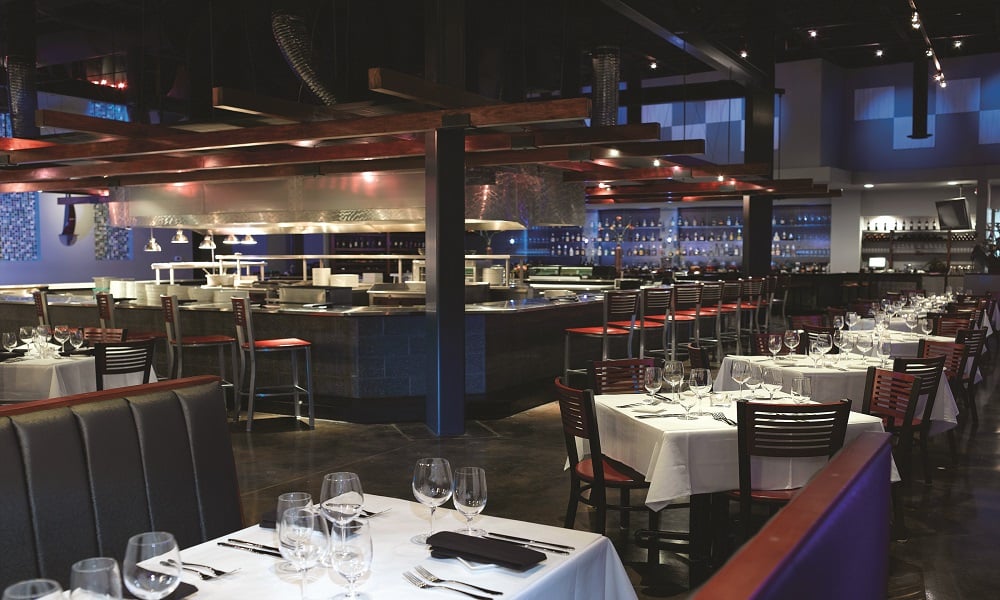
A British Columbia restaurant server who got into a drunken argument with another employee while off-duty and mistakenly forgot to pay her bill should not have been fired for the misconduct, according to the B.C. Civil Resolution Tribunal.
Jocelyn Toledo was hired in August 2015 to be a part-time server at Coast Restaurant in Vancouver. She was subject to an employee handbook for Coast Restaurant employees that described two categories of misconduct. Category 1 consisted of “minor offences” such as disorderly or inappropriate conduct on the premises and were subject to progressive discipline. Category 2 offences would result in suspension or termination and included intentional loss of the employer’s property or theft.
On May 16, 2017, Toledo wasn’t working but went to the restaurant with a friend to have drinks there. They were joined by a regular customer who knew Toledo and were served by two bartenders.
After a while, Toledo started talking loudly about the practice of deliberately flirting with customers to try to get free drinks. This started a “heated argument” with one of the bartenders and the bartender admitted he called her out about the topic and said what she was discussing was “complete bulls---.” This upset Toledo — who was intoxicated at this point — and she started crying.
Toledo had had enough and asked for her bill, which amounted to $86.81. Her friend took out her credit card to pay, but the regular customer offered to pay it. Toledo later testified that she was uncertain at the time if she had paid the bill due to her intoxication and state of mind, but the regular customer wouldn’t let her see the bill. However, she told the bartender with whom she had been arguing that she wouldn’t tip him.
As it turned out, the bill wasn’t paid, so the bartender paid the bill himself and wrote an email to the manager that Toledo had refused to pay and he took it just to get her out of the restaurant. He also wrote that he didn’t like to see her applying pressure to regular customers to pay a bill.
Employer cites incident as just cause
The next day, a hostess at the restaurant texted Toledo to say that the manager wanted her to pay her bill from the previous night and added an “lol.” Toledo replied, “lol ok.” However, Toledo arrived at the restaurant later and the manager told her she had committed theft by not paying her bill. He then terminated her employment, asking Toledo to sign a termination notice that stated the reasons for termination were not paying her bill the previous night and “acting in a way that could result in loss of business.” Toledo signed the notice after the manager told her she was required to do so.
Two days later, on May 19, another employee texted Toledo to ask what happened. Toledo replied that she had thought the regular customer had paid the bill and she wasn’t given an opportunity to pay it before being terminated for theft.
Toledo then filed a claim for wrongful dismissal, saying Coast Restaurant dismissed her without just cause. She claimed damages for lost wages and tips as well as aggravated damages for injury to her financial situation, reputation and dignity because of the restaurant’s bad-faith and unfair conduct in her dismissal. The latter was supported by a doctor’s note that her mental health status was impacted by the dismissal.
The tribunal found that it was clear Toledo was unclear about whether her bill had been paid and had thought the regular customer had paid it — her friend thought the same. This, combined with her intoxicated and emotional state of mind, made it unlikely that there was any intentional dishonesty on her part, although it was unreasonable for her to assume a customer would cover her bill as she was an employee of restaurant, said the tribunal.
The tribunal also noted that the bartender had paid the bill himself, so there was no unpaid bill owing by the next day.
One of the reasons for termination on Toledo’s termination notice was not paying her bill, but this wasn’t a sufficient reason for termination as not only was the bill paid by the bartender, but the tone of the text exchange between Toledo and the hostess the next day was lighthearted, indicating that they didn’t consider it a serious issue and the restaurant didn’t always fire employees who didn’t pay their bills while visiting off-duty, said the tribunal.
Employment relationship not damaged
The tribunal noted that the B.C. Supreme Court had established that “just cause requires a finding that the worker was guilty of misconduct which made it so the employment relationship could no longer continue.” However, the failure to pay her bill was not intentional or deceitful conduct.
“The nonpayment was not theft from the [restaurant’s] till,” said the tribunal. “Rather, [Toledo] was inebriated due to being served alcohol by another Coast employee, and she became upset at [the bartender’s] confrontation and was confused about whether the bill had been paid.”
The tribunal also found that Toledo’s conduct at the restaurant when she became “tearful, vocal and argumentative” didn’t warrant dismissal. She became intoxicated from being served by the restaurant’s employees and only the two bartenders, Toledo’s friend and the regular customer who joined them heard her. There was no evidence anyone else heard her or that this was harmful to the restaurant’s business, nor was it part of a pattern of minor misconduct or poor performance, said the tribunal.
The tribunal determined that Toledo’s misconduct not only met that standard for just cause but it also fell under the category 1 classification of offence in the employee handbook, meaning that was subject to progressive discipline, not dismissal.
The tribunal determined that Toledo was wrongfully dismissed. Since Toledo’s position was that of a part-time server, the tribunal found that she likely would have been able to find comparable part-time employment within six weeks so six weeks’ pay in lieu of notice was an appropriate level of damages.
Coast Restaurant was ordered to pay Toledo compensation for six weeks’ lost pay and tips, equal to $2,103.96. The tribunal declined to award aggravated damages, finding that her mental health status was part of normal hurt feelings about the dismissal itself, not the manner of dismissal.
For more information, see:
• Toledo v. Coast Restaurants Ltd., 2019 BCCRT 1309 (B.C. Civil Res. Trib.).


