As World Cup fever builds, employers in host cities must prepare for commute disruption, morale and safety issues and powerful opportunities for engagement
A monthlong sports spectacle may feel far from the HR file, but for employers in major Canadian cities, events like the 2026 FIFA World Cup, Stanley Cup playoffs or Olympics hosting can reach directly into scheduling, safety and morale.
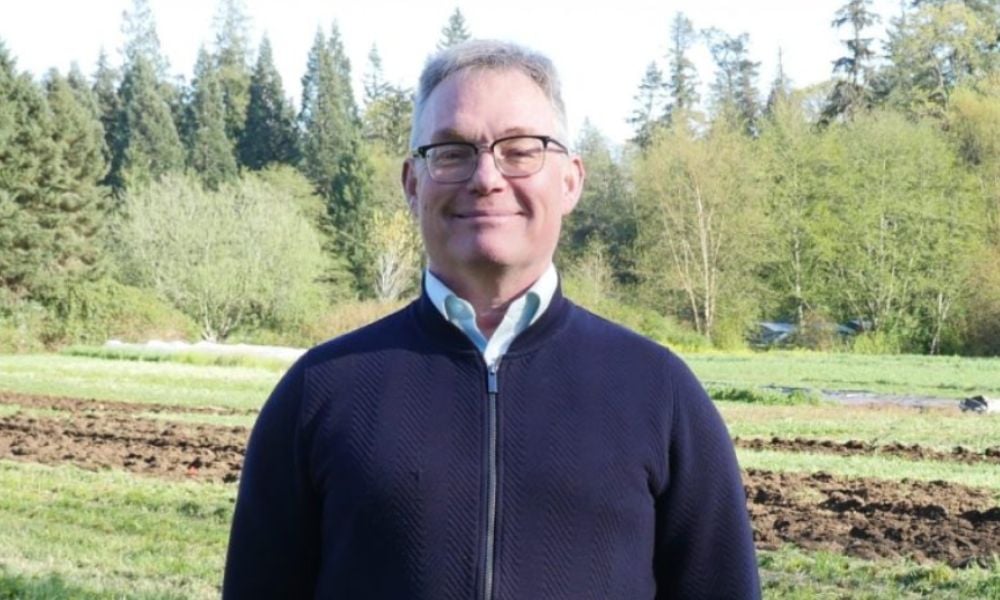
Robert VanWynsberghe, professor of educational studies at the University of British Columbia who has researched the after-effects of sporting events on communities extensively, says employers should treat major tournaments less as “parties” and more as complex urban projects that can disrupt daily work.
They can also create rare opportunities to engage employees, he adds, if leaders can “strip away the hype and understand what is actually coming to town – in numbers and geography.”
High emotion sports losses have a history
While much of the attention focuses on celebration and fan culture, VanWynsberghe points to another risk that has become a recurring theme in the literature on sport mega events.
“This is one that comes up in almost all sport events. There's a correlation between sport mega-events and violence towards women,” he says.
“They used to call it the ‘Super Bowl phenomena,’ because Super Bowl Sunday was well known to be the source of increased sexual violence.”
For employers, that history is a reminder that what happens in fan zones and private homes can show up at work the next day. According to recent Canadian reporting, more than half (53%) of domestic violence survivors said that abuse had followed them to work or near to work; in Ontario, domestic violence is listed as an occupational health and safety issue.
Build policies for both disruption and duty of care
Given those risks, VanWynsberghe says the goal is not to retreat from big events, but to plan intentionally for both positive and negative impacts; that planning starts with basic employment policies and clear expectations, rather than lastminute reactions.
“Because you've got literally hundreds of thousands of people that are on vacation and think it's a party, and sort of ‘norm slip,’ and people engage in practices that they wouldn't normally do. So [negative] things can happen,” he says.
“The idea would be to positively plan for taking advantage of the of the positive aspects of these things.”
For HR leaders in host districts, VanWynsberghe says that planning can include revisiting codes of conduct, harassment and violence policies, and supports for employees who may be at greater risk of harm, including gender-based violence, during and after match days.
It can also mean communicating ahead of time about attendance, flexibility and expectations around behaviour at worksponsored and informal viewing gatherings.
Logistical planning around sports events
Alongside the risks, VanWynsberghe stresses the upside of major sports events for workplaces: a unique emotional charge that employers can harness for connection – especially in diverse, international workplaces.
That is, if they can get to the workplace.
In host cities, major sports events rarely blanket the entire metropolis, VanWynsberghe explains. Instead, they target a few highly controlled zones – stadium districts, official fan festivals and curated “pedestrian streets” – often in downtown areas – where restrictions and security can be tight.
VanWynsberghe says that is by design, and it has very practical implications for where and how people can get to work. Understanding logistical details early can give employers time to adjust schedules, rethink commute expectations and decide when flexibility is the most realistic option.
Because of the desire of all involved for the event to go off without a hitch, that information is generally readily available, he adds.
“The hosts, and FIFA, want this thing to succeed, they will be generous with sharing data to help them succeed,” he says.
“You've got to figure out what that means for a person who works in the downtown core, where you're usually affected the most.”