Workplace IWD events ‘that celebrate how far women have come … or single out women's resilience, do the opposite of what's intended’, says Canadian diversity researcher

Canadian employers are being urged to turn International Women’s Day (IWD) from a feel-good event into a hard look at whether their policies actually support women, as a new survey highlights a gap between branding and real workplace change.
Ahead of IWD, nearly two-thirds of Canadian women say employers treat the day more as a symbolic celebration than an opportunity to take accountability, according to a survey by Benchmark Benefits, which interviewed 1,502 Canadian adults, including 770 women, between Feb. 9–11, 2026.
While most women agree IWD initiatives can have a meaningful impact, 64 percent say employers use the day primarily to flag-wave rather than take real action. Another 75 percent say employers should be open about how they are actually supporting women employees.
International Women’s Day workplace events: strategies not symbols
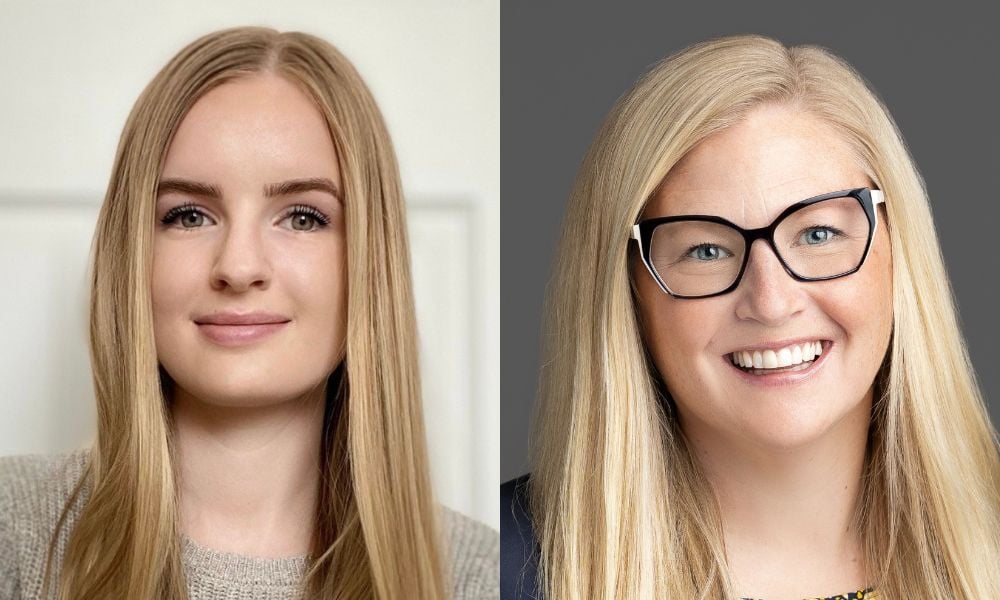
Janani Ramesh, PhD student at McGill University who researches how marginalized women experience the tech industry, says that a key factor in making IWD more meaningful for women is not making it all about women.
It sounds counterintuitive, but Ramesh explains that when organizations decentre women, it widens the conversations around IWD – and accountability, too.
“All employees, regardless of gender, evaluate their employers as trustworthy when processes are transparent, leaders are accountable, and the results of employee voice surveys are taken seriously,” Ramesh says – by only celebrating “exemplary” achievements by women, organizations risk minimizing their challenges.
“Initiatives that celebrate how far women have come … or single out women's resilience, do the opposite of what's intended: they locate the problem in women rather than in organizational policies, practices, and processes.”
Lean In Canada, an organisation supported by the federal government, urges employers to treat IWD as part of a broader effort to redesign support across women’s careers; for Ramesh, that means making clear commitments to equity at the organizational level, and being transparent about it.
“In practice, this looks like picking one concrete issue from your Employee Voice survey and explaining clearly how you’ve taken steps toward addressing it,” Ramesh says.
“What obstacles did you face? What work remains to be done? Acknowledge your pitfalls and limitations. That’s what true transparency, accountability, and employee voice looks like, and women employees will appreciate this far more than any symbolic initiative.”
IWD in Canada: taking cues from tech to more strategic leadership
Jenny Decker, Tempo Software chief financial officer, adds that recognition days like IWD are only truly meaningful if they translate into concrete career sponsorship when it counts the most.
According to Decker the finance function, and leadership more broadly, has been fundamentally reshaped by the pace of technology and AI, laying down what could be a template for employers looking to diversify their org-charts.
“Technology companies operate in compressed time,” Decker says. “Strategy cycles that used to unfold over years now happen in quarters, and with AI, sometimes in weeks.”
In that context, leaders need to be more cross-functional, opening opportunities for women to step into more dynamic roles – leaving behind the closed doors to more traditional, status-quo leadership.
“What excites me most about this moment is how quickly the expectations of leadership in technology are expanding,” says Decker.
“Today’s CFO is expected to be product-aware, data-fluent, comfortable with AI-driven change, and able to synthesize across functions. That broader definition of strategic leadership creates more pathways for women to rise.”
From that vantage point, she says International Women’s Day will only matter if it changes who is empowered to make those calls – and whether women have the support they need to step into them.
Women want meaningful support, not IWD-focused symbols
For 83 percent of women surveyed by Benchmark, workplace benefits and policies matter more than how employers mark the day itself. Benchmark Benefits president Gisela Carere said that distinction should change how organizations approach IWD: it should be a “checkpoint, not a checkbox,” she says, adding that “women can tell the difference between celebration and real support.”
Asked what should be standard, surveyed women pointed to supports tied directly to health and caregiving.
Flexible or reduced work schedules are seen as essential by 82 percent, menopause assessment, treatment and hormone therapy (HRT) coverage by 79 percent, and employer-paid parental leave top-ups by 78 percent.
However, both Ramesh and Decker stress that women-focused benefits, while helpful, do not address the larger systemic problems holding women from the top tiers of leadership. Ramesh says HR “should not frame initiatives around the challenges of motherhood, juggling multiple responsibilities, or how women can learn to become better leaders,” because those types of initiatives (again, while helpful) are essentially treating symptoms of a larger issue.
Mentorship versus sponsorship: crucial difference
Decker emphasizes the crucial difference that actual career sponsorship makes – without that targeted sponsorship for real upward career movement through organizations, IWD celebrations and better benefits will only be short term.
“What still needs to change is sponsorship at key inflection points,” Decker says.
“The moments that compound careers – major transactions, restructures, transformative technology shifts – are often high-pressure and high-visibility. Ensuring women are not just participating in those moments but leading them is what will sustain long-term progress.”