
Organizations with a strong culture of health and safety and involved leadership excel in meeting pandemic challenges
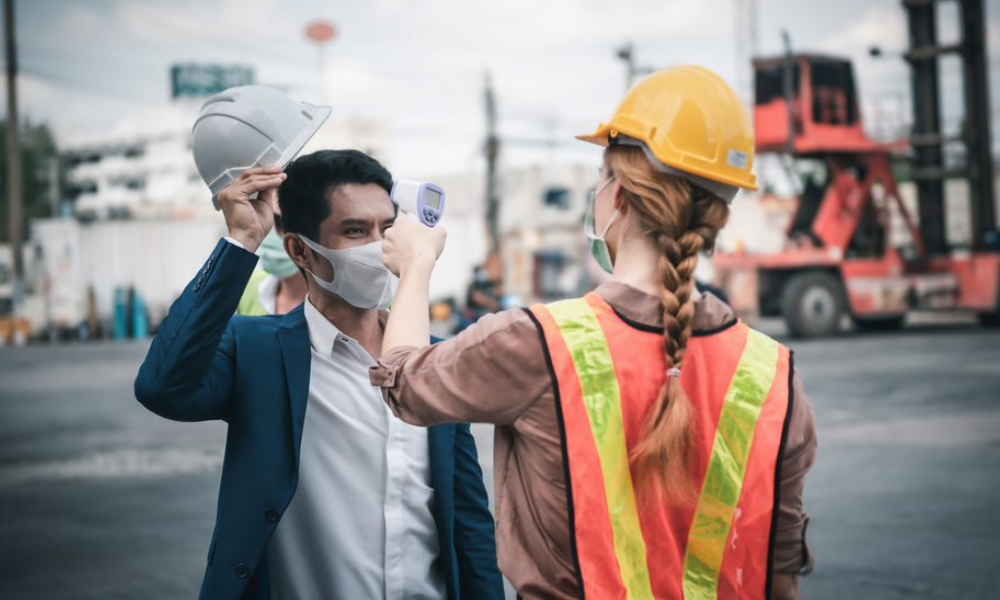
In looking at this past year and workplace health and safety, there’s been a “massive transformation” due to the pandemic. Many organizations have re-engineered their operations, including workspace design, policies and procedures, engagement practices, supply chain management and occupational health and safety, says a new report by Workplace Safety & Prevention Services (WSPS).
And when it comes to the firms that best met the challenges of the COVID-19 pandemic, a strong internal culture of health and safety and an involved leadership made a big difference.
Three-quarters (76 per cent) of leading organizations where health and safety is a strategic priority reported low or reduced infection rates due to their commitment to health and safety —compared to 41 per cent of employers in less-developed categories.
“If ever there was a business case for investing in the health and well-being of employees, customers, stakeholders and the community, it can be found in [this report],” says Lynn Brownell, president and CEO of WSPS.
Not surprisingly, the top five business challenges in 2020 were the global pandemic (50 per cent) followed by health and safety/avoiding workplace injuries (41 per cent compared to 59 per cent in 2019), mental health in the workplace (38 per cent), risk management (31 per cent compared to 35 per cent in 2019) and the attraction and retention of staff (30 per cent compared to 36 per cent in 2019).
Going forward, 85 per cent believe that health and safety will be more important than it was prior to the pandemic and nearly all (96 per cent) of respondents agree that there is a link between health and safety and business performance.
Focus on mental health
The last year has pushed everyone, from whole organizations to individuals, to their absolute limit, says Brownell.
“Sadly, many families, communities and business have been devastated by COVID. Many are still hanging on by a thread, trying to adapt to new health and safety requirements, continued lockdowns and stay-at-home orders.”
Mental health was once again listed as the top emerging issue in health and safety (70 per cent) followed closely by stress management (68 per cent).
However, employers in the reactive and “start of journey” categories still aren’t embracing the notion that attending to employees' mental health can directly impact organizational performance, say the authors of the white paper Health & Safety Leadership Survey 2020: The Difference a Year Makes. When it comes to workplace culture and engagement, 88 per cent of leading employers say mental health is important, compared to 53 per cent of reactive employers. And for employee productivity, mental health ranks high with leading organizations (85 per cent) in contrast to reactive employers (54 per cent).
Leadership steps ups
In comparing results to the 2019 survey, there was a significant increase in respondents who believe it is integral for senior leadership to be involved in health and safety — to 51 per cent from 32 per cent.
Almost all (99 per cent in 2020 compared to 94 per cent in 2019) respondents with leading or mature health and safety cultures said senior leaders are involved in health and safety at their organizations, but the numbers dropped significantly for employers in the reactive (61 per cent in 2020 compared to 45 per cent in 2019) and “start of journey” categories (59 per cent in 2020 compared to 57 per cent in 2019).
Many in leadership roles have become more vocal regarding health and safety, and occupational health and safety managers are playing a larger role in planning and decision-making than they were before COVID-19.
“Communication efforts have been amplified to ensure that employees — many who find themselves working remotely for the first time in their careers — remain healthy, safe, engaged and meaningfully connected to the organization and their colleagues.”
Ultimately, those leaders who took the opportunity to formalize health and safety plans are in a much stronger position than they were before the pandemic began, says the report: “On top of enhancing resilience and sustainability, they will see the impact a formal plan can have on key metrics, such as engagement, injury and cost reduction, and attraction and retention.”
For more information on Workplace Safety & Prevention Services, please visit www.wsps.ca.



