‘If you can leave the business with a better team than when you came in, you can retire with a big smile on your face’
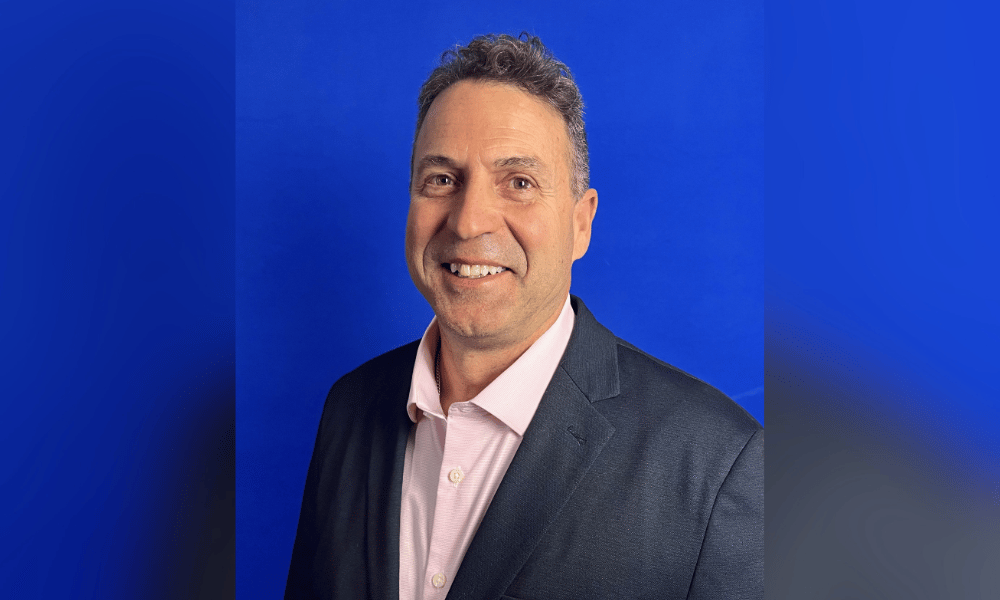
After almost 40 years in HR and close to two decades at West Fraser, Al Caputo is preparing to step away at the end of the year to retire.
The vice-president of human resources says he stayed on longer than originally planned to make sure the transition is solid.
“Honestly, I probably worked a little bit longer than I might have otherwise, until I got comfortable that we had good a good team, a good depth and a good successor, and I can leave the business knowing that it's going to be better without me than with me,” he says.
“To me, if you're a leader, it doesn't matter what function you're in, it doesn't matter where you're at — if you can leave the business with a better team than when you came in, you've done your job and you can retire with a big smile on your face.”
From mill towns to corporate office
Caputo’s start in HR was not automatic. Graduating from university in 1984 with a commerce degree from the University of Alberta, majoring in marketing and human resources, he entered a brutal recession with “no jobs” on offer. He worked in restaurants and bars and says he questioned his education while applying to any entry-level business role he could find.
Eventually Caputo landed an assistant HR role at a mill in Quesnel, B.C., backing up the HR manager.
“I applied for every kind of HR entry-level job, basically any kind of business job I could get, and landed on this one,” he recalls.
Thrilled to get a foothold in the field, he packed up and moved seven hours north from Vancouver, to a remote town with a sawmill.
Caputo never left HR once he got in, and he is clear about why the profession stuck — he has gravitated to working with people.
“I've always enjoyed working in teams, working with teams, leading teams — it's just come naturally to me,” he says.
Balancing business and employees
The other hook was problem‑solving: For Caputo, HR offers a unique vantage point to help both employees and the business work better.
There’s no better career than HR “for somebody who wants to help the business, help the employees figure out how to do things better, how to improve the employee experience, how to improve the business results,” he says.
“That opportunity to continuously improve and to solve problems and fix things really drew me in, and continues to drive me in HR.”
In an era where HR is often described as walking a tightrope between employer and employee interests, Caputo says he has never had an issue with the dual responsibility.
“To me, if it's good for the employees and the business then it's the right thing; if it's only good for one and not for the other, it's probably doomed to fail,” he says.
Whether the decision is about HR issues such as recruiting, promotions or bargaining a collective agreement, he believes sustainable choices have to deliver “a win-win, a mutual benefit.”
Caputo acknowledges that market conditions can temporarily tilt power toward either side, but over time, lasting success depends on that equilibrium.
“On any given day, somebody might win or lose. But, over time, it's got to work for the company and for the employees… if you want to have a great company and a great culture.”
‘Rabid’ about safety at West Fraser
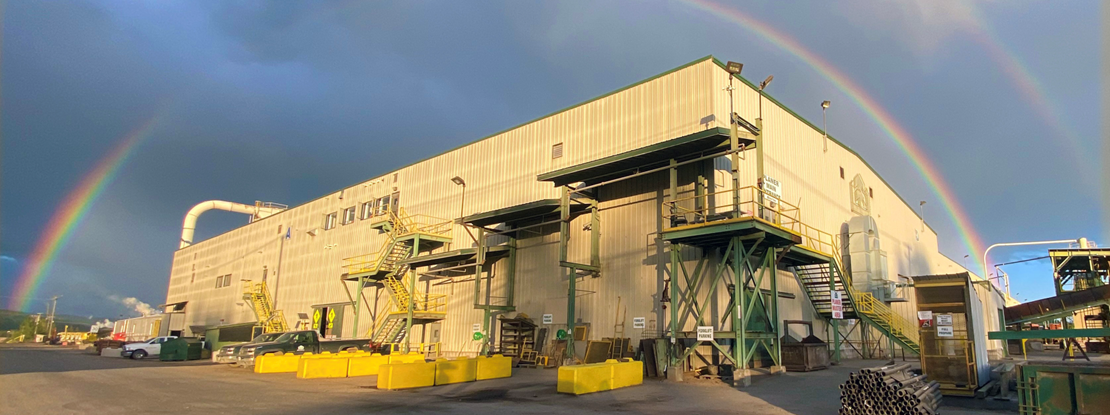
Caputo has been based at West Fraser’s corporate office in Vancouver for roughly the past seven years. Before that, most of his career was spent in operations across Western Canada, close to the company’s mills and frontline employees.
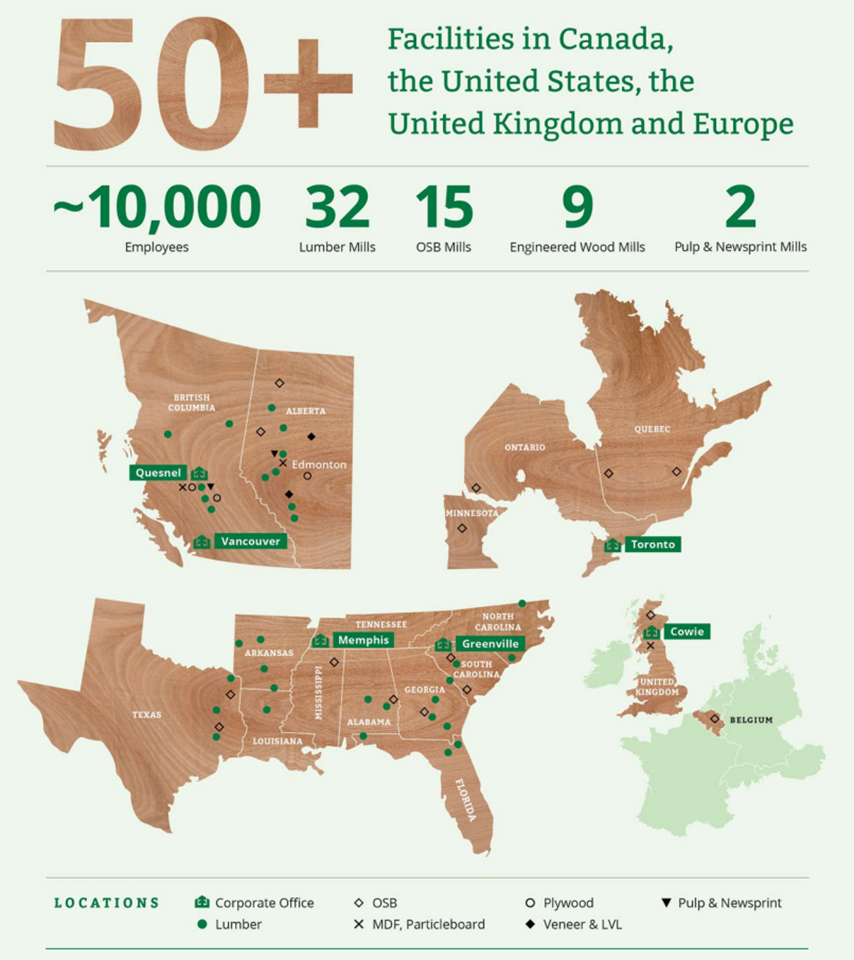
The company operates in a high‑risk industry, with around 10,000 employees across Canada, the United States and Europe. The company runs about 50 manufacturing facilities, roughly split between Canada and the U.S., with Canadian operations in British Columbia, Alberta, Quebec and Ontario, and U.S. operations stretching from Texas through Florida and up to Georgia.
In Europe, West Fraser has three plants in Scotland and Belgium, and its portfolio spans lumber mills along with oriented strand board, MDF, plywood, LVL and treating plants.
Across that footprint, Caputo says safety is non‑negotiable.
“Our company has taken the approach that we are going to have one safety culture, it's going to be a high priority and we're going to figure out what the best practices are — and we're doing that everywhere,” he explains. “So, we don't have different standards or different expectations or different cultures around safety.”
West Fraser is “a little bit rabid” about its safety processes, policies, systems, behaviours and culture “and we're relentless about it,” Caputo says, pointing to major investments not only in physical safeguards but training and employee involvement.
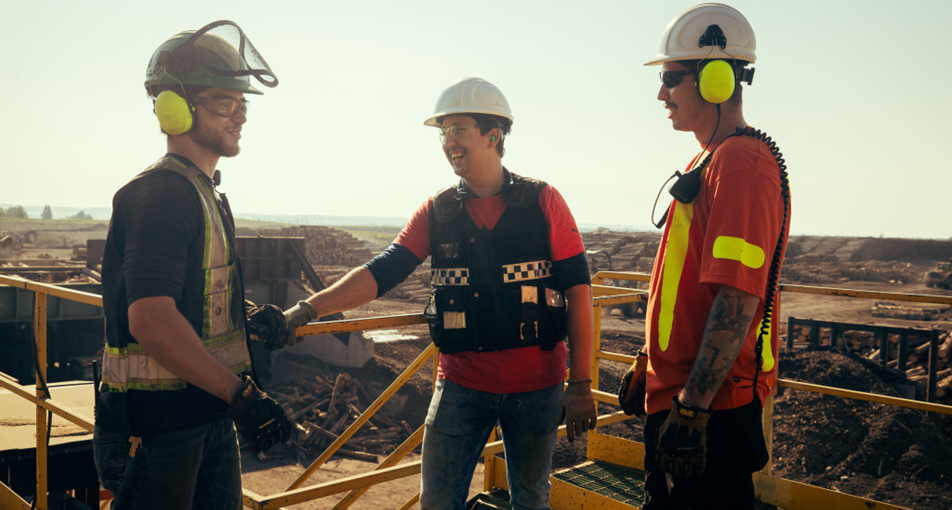
Looking back nearly four decades, he has seen a profound shift on the safety side. Early in his career, mills operated with fewer rules and a “cowboy culture” where taking risks was normalized and sometimes almost celebrated, he says. Over time, into the 2000s, technology, guarding and systematized training transformed the physical environment, and later the focus moved decisively toward culture and greater accountability for safe behaviours.
Ups and downs: M&As and layoffs
West Fraser has grown primarily through acquisition, from just 12 employees in 1955 to become what Caputo describes as the largest building products manufacturer in North America, if not the world. The company he originally worked for – Weldwood of Canada – was acquired in 2004, almost doubling West Fraser’s size at the time, and many Weldwood employees, including Caputo, stayed on.
Alongside acquisitions, West Fraser has also had to close sites and manage layoffs – the side of transformation Caputo unequivocally calls “horrible for everybody.”
So, what lessons has he learned for handling those tough times? The top priority is that communication must be brutally clear and consistent. He describes it as “change management on steroids,” where people want to know what will change immediately, what will evolve over time and what will stay the same.
“It's not always what people want to hear but I think my lesson would be ‘Be as clear as you can about change and communicate it like crazy and do what you say you're going to do and be upfront about it,’” he says.
In the long run, honesty serves employees better than “trying to sell them on something that might be what they want to hear but might not really be the reality of what's going to happen,” says Caputo.
Leadership development and succession
As he hands over the reins, Caputo comes back to leadership depth as a decisive factor in West Fraser’s culture and long‑term health.
“One of the things that we've been trying to drive into our organization is if you're in a leadership role, your job is to develop people... and you need to build depth and you need to build succession. It doesn't matter what level in the organization you're at,” he says.
Caputo is particularly focused on frontline leaders, whom he sees as the true carriers of culture: “You hear cliches there but that's where the rubber hits the road,” he says. “And I just think you can't do enough to support, develop, train and build depth in your leadership group.”
On that note, the long-time HR leader is signing off from an impressive and rewarding career — only to “get ready for my next adventure.”