
Employer classified workers as independent contractors, did not issue tax slips for years
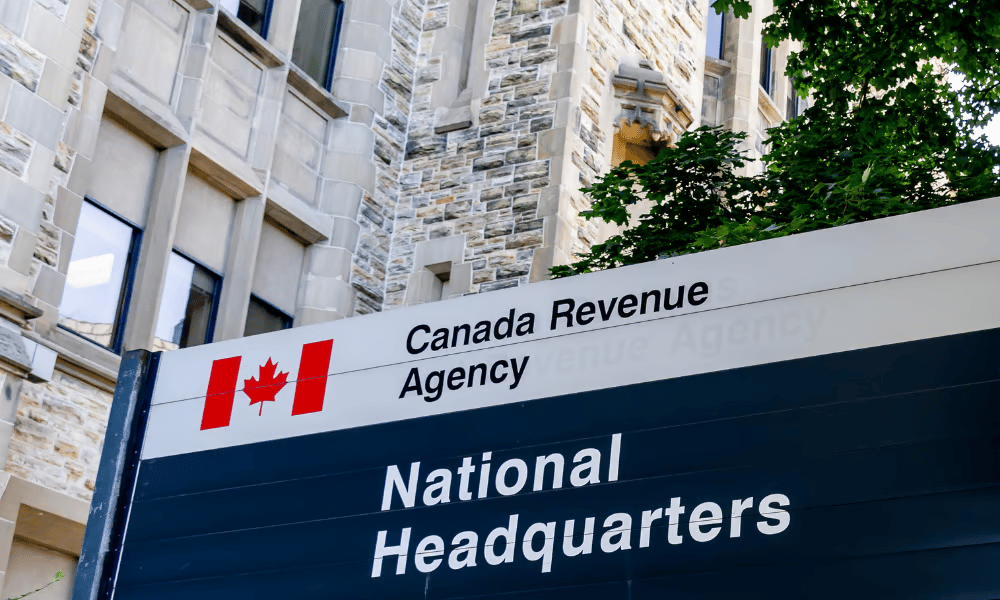
A Nova Scotia company that provides care for vulnerable adults and children under provincial government contracts is under audit by the Canada Revenue Agency (CRA) after workers say they were told their pay was “non-taxable.”
Arden Professional Client Care receives funding from the Department of Opportunities and Social Development and has accepted more than $184 million in public money over the past eight years, according to provincial financial statements reported by CBC News.
Many workers told CBC they believed for years that their income from Arden was not taxable, based on information provided at orientation and in later documents.
The company declined to comment on the audit or on workers’ concerns, accordig to the report. The CRA has not publicly discussed the scope or status of its review.
Contractor status and ‘non-taxable wage’ language
Arden classifies its workers as independent contractors and did not issue tax slips for previous years, CBC reported. The company told the publication that it does not give personal income tax advice and that workers are responsible for their own tax decisions.
Long-time worker and retired educator Steve Keddy said that during a face-to-face orientation seven years ago, Arden representatives pointed to a section of tax law and compared the arrangement to foster care payments, implying the income would not be taxed.
"The way it was described, basically, was we're foster care workers with someone funneling the money in between," he told CBC News.
About five years ago, Arden asked workers to sign contracts confirming they were independent contractors responsible for “applicable taxes,” and Keddy told the publicaiton that because the company did not collect his social insurance number or issue tax slips after that point, he assumed there were no taxes owing.
The issue escalated in 2023 when Keddy requested an income letter to support a refinancing application. CBC reports that the letter, signed by Arden’s vice-president, described his $19.50-per-hour pay as a “non-taxable wage.” CBC obtained five similar letters from other workers, all using the phrase “non-taxable wage” with different names, amounts and dates from 2023 to 2025.
Ottawa labour lawyer Malini Vijaykumar told CBC the term is difficult to reconcile with Canadian tax rules.
"A wage is the income that you get for performing work," she said, adding that income in Canada is taxable. "And so to call something a non-taxable wage is — I'm not sure that that's a thing that exists in Canad."
Workers seek clarity as audit unfolds
Workers learned in March that Arden was being audited by the CRA, according to CBC. The development has raised concerns that the agency could seek back taxes, interest and penalties on income staff had believed was not taxable.
Keddy has been advocating for his colleagues, organising an online petition that CBC reports has been sent to a local MLA, a federal MP and the federal taxpayers’ ombudsperson. He said a fair resolution would see taxes applied only from when workers became aware of the audit, and not retroactively.
Even severance pay is usually taxable income and the employer paying it must make the applicable deductions and remittances, according to one expert.
Are there non-taxable incomes in Canada?
The Income Tax Act states that a taxpayer’s income includes “salary, wages and other remuneration” from an office or employment (section 5 and section 6). The CRA explains that “employment income” includes salary, wages, commissions, bonuses and tips, and that these amounts are taxable and must be reported on a tax return.
For almost all workers in Canada, hourly pay, salaries and other regular employment earnings are taxable and must be reported, with tax withheld at source and reported on information slips such as T4s.
Only where a specific statutory exemption applies (for example, income that qualifies under the Indian Tax Act exemption) or where CRA clearly classifies a particular benefit as non‑taxable (e.g., some health and dental benefits, some counselling services, some employer-paid premiums ), would related amounts not be subject to income tax.



