Experts provide insights for HR on how to improve human rights through workplace culture, worker wellbeing
The recent approval of a second worker floatel for the Woodfibre LNG project near Squamish, B.C., has brought renewed attention to the risks associated with housing large, predominantly male workforces near vulnerable communities such as First Nations reserves.
The project was initially approved in 2015, with the first floatel (staff accommodations on a repurposed cruise ship) approved in November 2023 to house 650 workers. The second floatel will house up to 735 workers during construction and commissioning.
In addition to the floatels, which are only accessed by boat, Woodfibre LNG has secured land-based housing in Squamish that can house up to 87 workers at any time.
While there are certain government regulations meant to prevent worker violence and harassment entering the nearby communities, HR has an important role to play in reducing the risks through improved workplace culture and worker wellbeing, say two experts.
Gender and Cultural Safety Plans
The Gender and Cultural Safety Plan for the Woodfibre LNG project, as required by the environmental assessment, includes a workplace harassment and violence prevention program, a worker code of conduct, and mandatory gender and cultural safety training for all workers.
The plan also requires the formation of a Gender Safety Advisory Committee, which includes Aboriginal groups and local justice organizations, to provide ongoing consultation and feedback.
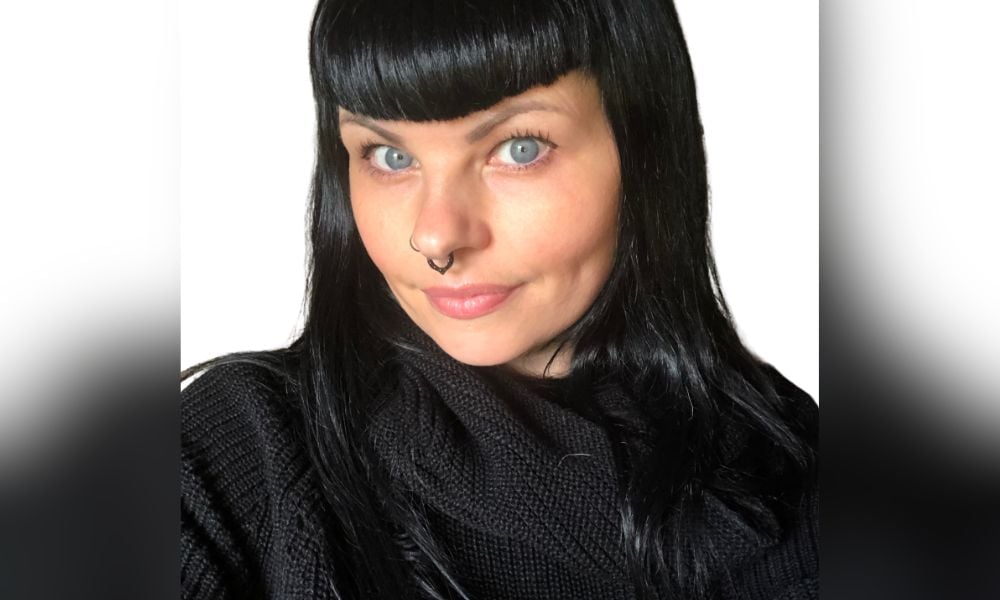
“There are studies that show a real linkage between these employment camps and violence against Indigenous women and girls,” says Margot Young, law professor at the Allard School of Law.
However, such plans and committees are not always as effective as they are intended to be – often because followup is rarely comprehensive.
The Gender and Cultural Safety Plan attempts to address these risks through training, reporting mechanisms, and clear protocols for responding to complaints, she adds, but the challenge remains in ensuring these measures are robust and independently enforced.
Brown suggests that assessments of projects should go farther than just environmental, with human rights impact assessments being the norm.
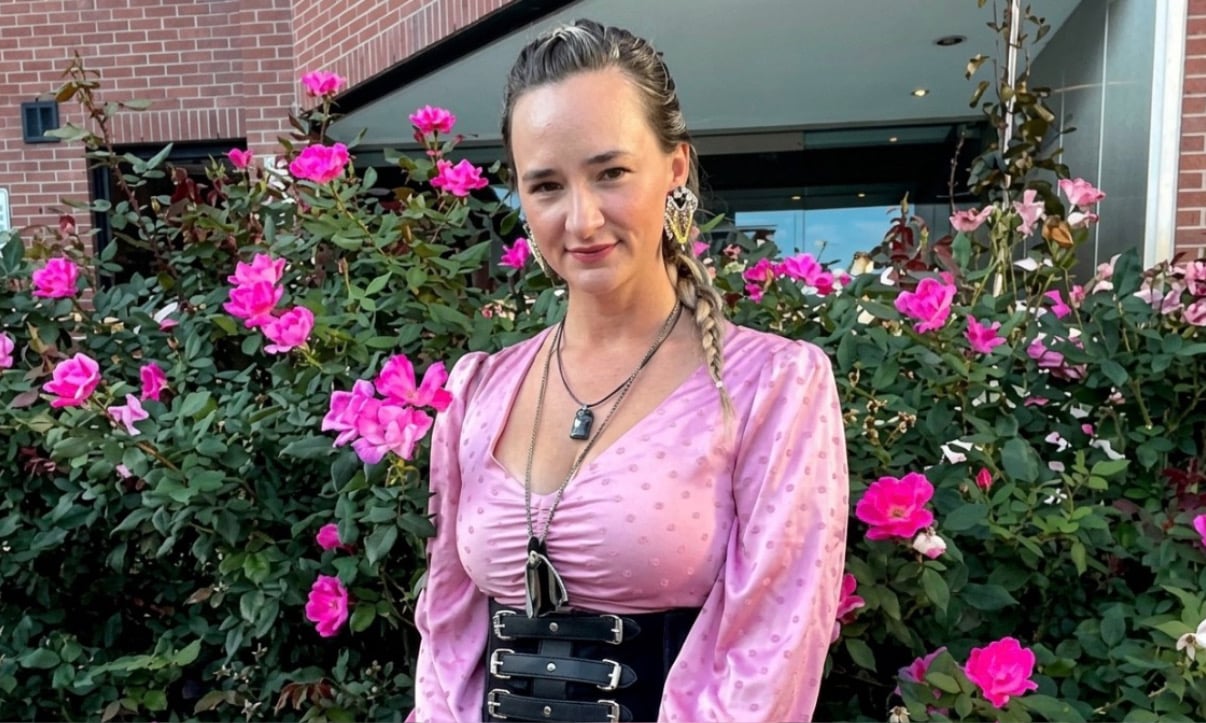
While the company’s Gender and Cultural Safety Plan aims to address the risks and responsibilities, HR needs to look beyond such “tokenistic box checking” measures, according to Sue Brown, lawyer and director of advocacy for Justice for Girls.
The issue is more systemic, she says, and that means tackling toxic cultures based around work that’s highly focused on profits.
Brown says that gender and cultural safety committees are “not going to shift that culture,” and that lack of accountability is also a problem that makes true change difficult on the organizational level.
HR’s role to improve safety
For Brown, the path to safer, healthier work camps begins with a fundamental shift in priorities. She urges HR professionals to educate themselves on business and human rights standards, and to use their knowledge to advocate for real change within their organizations.
“The more knowledgeable that HR professionals are in the workplace about the human rights obligations of the corporations that they work for, the more that they can do what they can in their position to advance human rights.”
Brown’s advice for HR leaders: push for transparency, independent evaluation, and education on human rights obligation: “HR should push for systemic change, not just surface-level committees or training, and ensure that all initiatives are independently monitored and publicly accountable.”
Worker wellbeing in work camps
She also emphasizes the importance of supporting worker health and well-being as a core HR function, and not only for white-collar workers.
“Hurt people hurt people,” she says.
“When people are unhappy and unhealthy in work and are in pain and are being driven to the point of exhaustion and burnout, that's going to have impacts in their personal lives, and those impacts are ... the violence and the other harms that come to their families and their communities.”
Brown calls on HR leaders to invest in robust well-being programs, ensure there are meaningful accommodations for disabilities and health needs, and challenge the normalization of overwork and burnout.
This is particularly important for workers in camps who are subject to grueling work conditions and isolation, which can lead to mental health issues.
“HR professionals putting a huge emphasis and resources into well-being and protecting the health of their workers is really important,” she says.
“That also means ensuring that practices around workplace accommodations and respect for the domestic human rights obligations under the human rights code are respected ... that it's normed that workdays are shorter, that workers aren't worked to the point of exhaustion and burnout and physical disability.”