Worker spent as much time performing labourer tasks; employer didn't keep track of hours

A project manager who actually spent more time performing labourer work is not a manager and is entitled to overtime pay, the BC Employment Standards Tribunal has ruled.
Evergreen Demolition operated a demolition business based in Coquitlam, BC. On May 13, 2020, it hired the worker to be a project manager/estimator with an annual salary of $100,000.
The worker’s employment agreement set out his duties as project costing, negotiation, implementation, and supervising labourers on Evergreen worksites. He didn’t have the discretionary power to make major purchases for the company – the owner’s approval was required – and he didn’t make employee schedules or manage a budget.
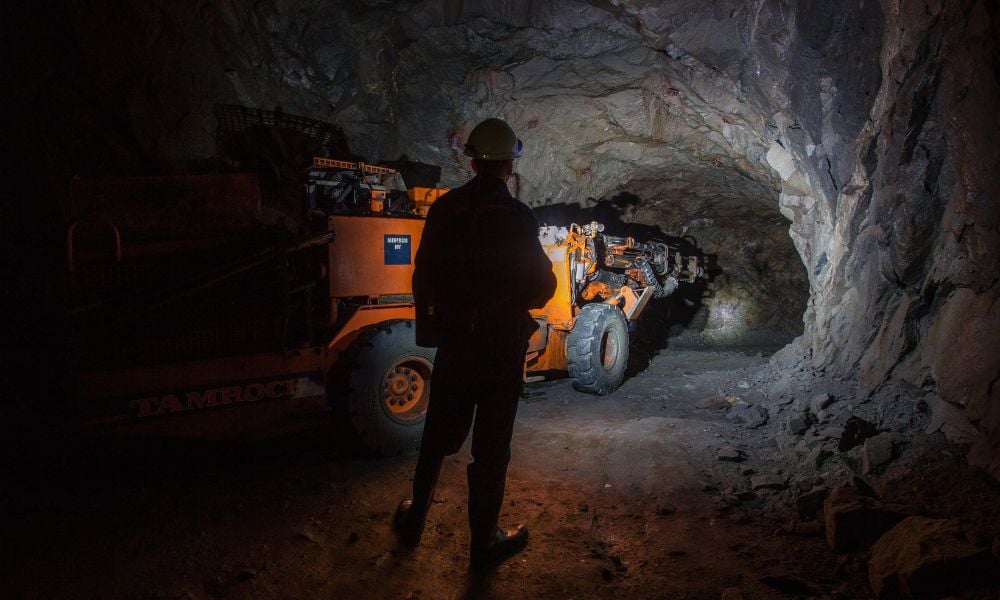
According to the worker, while supervising labourers, he often had to perform some labour himself to finish jobs. During a particular two-month project, he frequently used concrete cutting tools, which was normally a labourer activity. Evergreen management noticed that he often “spent more of his time at work alongside the labourers he managed than with finding new work.”
A BC farm worker who performed some agricultural work was not exempt from overtime pay because his primary responsibilities involved fixing equipment.
Work split between managerial and labourer duties
The worker ended up working long days on the equipment at the worksites to get jobs finished, and he felt that he was roughly splitting his time equally between estimating and operating equipment, with the latter taking slightly more time. He grew frustrated with this arrangement, so he texted Evergreen’s owner.
However, the text didn’t seem to change things, so the worker finished his work with Evergreen after two months on July 17, 2020. A few weeks later, he filed an unpaid wage complaint seeking nearly $19,000 in unpaid wages, with most of it being overtime pay.
Evergreen argued that the worker was a manager and was exempt from the entitlement to overtime pay under the BC Employment Standards Act (ESA). It said that he was paid the salary of an estimator and project manager and he had some equipment purchasing authority. The company also said that he “influenced” employee schedules even if he didn’t set them.
Evergreen also argued that the worker had been hired to be an estimator and project manager, not a labourer, and he was responsible for setting his own hours. Evergreen didn’t track his hours, so it couldn’t say for sure how he allotted his time.
The co-founder of a Manitoba bus tour company saw her role reduced but she still performed managerial functions exempting her from overtime pay, an adjudicator ruled.
Worker not a manager
A delegate of the Director of BC Employment Standards found that, although the worker performed some managerial duties, his principal duties were as a labourer and he didn’t have sufficient autonomy, discretion, or independent purchasing authority to be considered a manager. In addition, the worker didn’t’ have meaningful control associated with Evergreen’s human resources, the delegate said.
As a result, the delegate determined that the worker was entitled to overtime pay and wages. As Evergreen had no records of the hours worked by the worker, they calculated the worker’s entitled from the worker’s records, which they said were “the best and only evidence available.”
Evergreen was ordered to pay more than $12,000 in overtime pay, nearly $2,000 in unpaid regular wages, $2,000 in vacation pay, and more than $400 in statutory holiday pay. It also had to pay four separate $500 penalties for its four contraventions of the ESA, setting the total award to $20,148.09.
Evergreen appealed, alleging that the delegate erred in law regarding the worker’s status.
A manager may perform non-managerial tasks and still be exempt from overtime if such tasks are irregular or exceptional, according to an employment lawyer.
Employer didn’t keep track of hours or work performed
A member of the BC Employment Standards Tribunal found that the delegate’s determination involved “factual conclusions” with which Evergreen disagreed, but that couldn’t be a basis for appeal. Although the worker performed certain managerial actions, the worker’s evidence supported his contention that they weren’t his principal employment responsibilities, said the member. In addition, Evergreen didn’t actually know how much time the worker spent working as a labourer and it never instructed the worker not to work overtime hours, so it was reasonable for the delegate to rely on the worker’s evidence, the member said.
The member found that the delegate’s decision was reasonable and not an error in law.
Evergreen appealed again to the tribunal, alleging that the member erred in confirming a determination that was “unsupported by evidence” and placing too much emphasis on the worker’s records pertaining to his hours of work.
The tribunal noted that management had noticed that that the worker spent more time working alongside the workers than finding work and they didn’t tell him not to work overtime hours. In addition, there was no basis to suggest that the worker’s records wasn’t a “proper evidentiary foundation” for the delegate to determine working hours, the tribunal said, adding that the delegate gave serious consideration of witness statements in determining what work the worker did each day.
The tribunal found that Evergreen had the burden of showing that the worker was a manager as defined in legislation and it failed to do so. Ultimately, the company’s appeal was an attempt to have another tribunal member “re-weigh the evidence and come to a different conclusion than that reached by two previous decision-makers,” the tribunal said.
The tribunal dismissed the appeal and upheld the delegate’s determination. See Evergreen Demolition Ltd. (Re), 2023 BCEST 51.