
Supervisor didn't understand English well, but it's employer's responsibility to ensure compliance
The Manitoba Labour Board has dismissed an appeal by an employer disputing an administrative penalty issued after work was performed at its worksite following the issuance of a stop work order stemming from a safety violation.
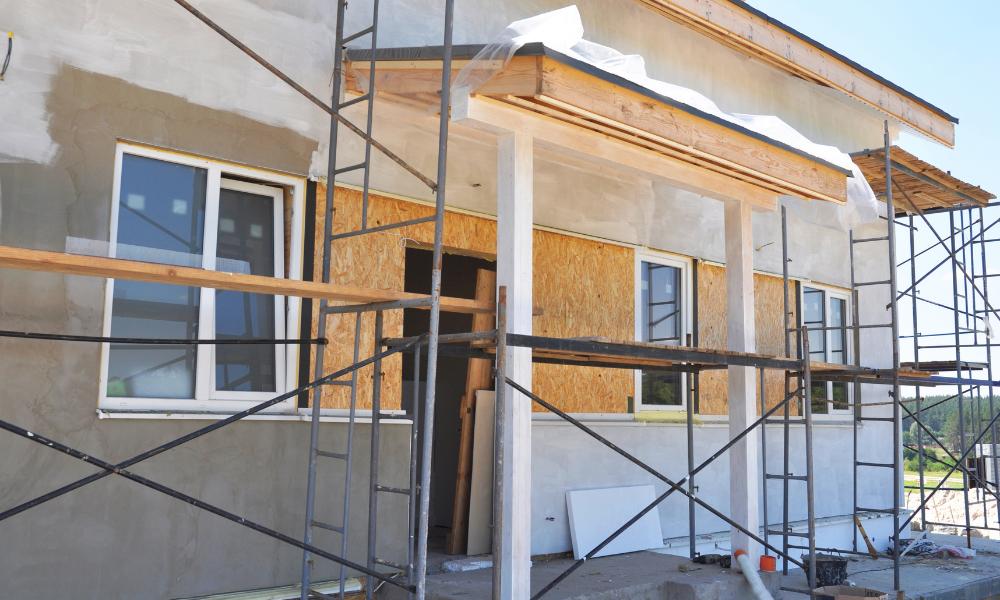
Hard Scabble Stucco and Stone is a commercial and residential stucco and masonry company in Brandon, Man., operated by Pro-Fit Renovations and Property Management. On July 10, 2023, a provincial safety and health officer observed Hard Scabble workers working at a height of more than three metres without using fall protection equipment. This was in violation of the Manitoba Workplace Safety and Health Regulation, so the officer issued a stop work order (SWO) and improvement order (IO) relating to fall protection.
A few weeks later, on Aug. 31, another safety and health officer once again observed Hard Scabble workers working more than three metres high without fall protection measures in place. This officer also issued an SWO and IO.
However, on the weekend following the second SWO and IO, workers were seen working at the worksite in contravention of the SWO. The safety and health officer met with Pro-Fit’s owner and informed him of the SWO and IO, which were later forwarded to him.
Administrative penalty for non-compliance
On Nov. 28, the Manitoba Director, Safety and Health, issued a notice of administrative penalty to Pro-Fit of $2,500 under The Workplace Safety and Health Act (WSHA) for failing to comply with the SWO and IO.
Pro-Fit accepted the second SWO and IO, but it appealed to the board regarding the administrative penalty. The company argued that the safety and health officer who issued it at the site didn’t properly explain the orders and ensure that their observations were clarified for the supervisor onsite, who didn’t understand English very well. According to Pro-Fit, the officer left the orders in the hands of an individual who didn’t understand “the urgency and complexities” of the order. As a result, the company didn’t understand the situation until the owner was provided with the SWO and IO a few days later. Once it understood, it took corrective action, said the company in arguing that the administrative penalty shouldn’t have been issued.
The board referred to ss. 53.1(2) of the WSHA, the subsection that outlines when an administrative penalty can be issued by the director. Two of the situations listed in the subsection are when the director determines that a person failed to comply with an IO within the period specified in the order, and when a person “has resumed an activity that previously was the subject of a stop work order but was discontinued because the person had complied with it.”
The board noted that the following subsection, ss. 53.1(3), provided that an administrative penalty could only be issued “after any period for appealing the matter… has expired” or after an appeal decision was made.
Employer responsibility for safety and health compliance
With regard to Pro-Fit’s concern that the onsite supervisor wasn’t able to properly comprehend the nature and severity of the issues related to the SWO and IO, the board found that it was the company’s responsibility to ensure that employees are complying with the WSHA and its regulations. Although it took a few more days for the company’s owner to receive the orders and take action, it was still within the time period when the company could appeal the orders. It didn’t appeal them, so the orders themselves weren’t at issue and the timing of the administrative order was appropriate, said the board.
The board determined that the administrative penalty was issued in compliance with the WSHA and served within the required time frame, Pro-Fit failed to comply with the prescribed fall protection provisions under the regulation, and the amount of the penalty was correctly determined under the Administrative Penalty Regulation.
Emphasizing the employer’s responsibility to ensure compliance with workplace safety regulations, the board dismissed the appeal and confirmed the director's authority under the WSHA to impose administrative penalties for workplace safety violations involving imminent risks to worker health and safety. See Pro-Fit Renovations and Property Management Ltd. Carrying on business as Hard Scabble Stucco and Stone v. Director, Workplace Safety & Health), 2024 CanLII 105198.
Enhance safety and compliance with expertly designed safety posters for workplace environments that educate, engage, and help prevent accidents.


