
Use of force wasn't deemed worthy of dismissal: arbitrator
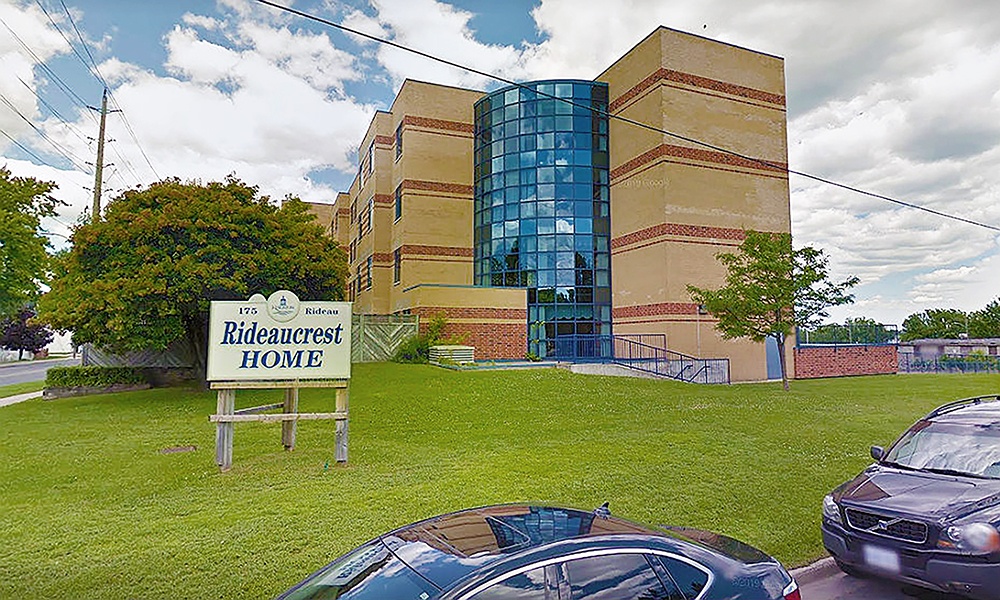
An Ontario long-term care worker who slapped a resident who sexually assaulted her should be disciplined for resident abuse but not dismissed.
The worker was a terrace assistant at Rideaucrest Home, a long-term care home in Kingston, Ont. She was hired in 1991 and had no discipline on her record.
Many of the residents at Rideaucrest had dementia, so the worker sometimes experienced incidents such as being spit on, pinched, kicked, and she had food thrown at her. She generally followed Rideaucrest policy not to respond, recognizing that the residents were vulnerable and depended on staff. Staff received annual training on the code of conduct and dealing with residents with dementia.
One particular resident was a male with dementia who had a tendency to sexually touch female staff and other residents. He was given one-to-one supervision to protect others from his behaviour, but this ended in July 2019.
On July 10, 2019, the worker was in the dining room near the resident. At one point, the resident inappropriately touched her buttocks, to which the worker immediately reacted by slapping his hand away, saying: “Don’t do that,” and then slapping his forearm. Two coworkers heard the slap, with one witnessing it. One of them noted the resident appeared “unfazed” and had no mark on the arm or signs of pain.
The coworker who saw the slap reported it to the registered nurse in charge. The worker was upset and described the incident to the nurse, saying that even her husband wasn’t allowed to do that. The worker was escorted out of Rideaucrest and told that what she had done was considered physical abuse of a resident.
The registered nurse in charge examined the resident and found a “slightly red area near his right shoulder.” She called the police, who didn’t find any mark on the resident and declined to pursue an investigation.
At an interview the next day, the worker was upset and said she felt “bad about hitting [the resident], but it was a reaction.” However, management felt that the use of force was only justified if a staff member was trapped or a resident was harming themselves. In circumstances such as this incident, staff were trained to step away if they were able.
The worker maintained that she reacted the way she did because she was sexually assaulted, and she hit the resident’s arm to make him stop. However, Rideaucrest terminated her employment.
The arbitrator agreed that the slap on the resident’s arm was misconduct that violated Rideaucrest’s resident abuse policy. However, he noted that the worker was “taken by surprise by being sexually assaulted from behind” and it may be harder to control one’s reaction than if it happens from the front. In addition, the reaction was “protective as well as angry” as her intention was to stop the “very invasive act” that had happened. The arbitrator added that the worker didn’t slap the resident’s face or call him names, she just told him to stop.
However, the arbitrator found that the worker didn’t need to slap the resident’s arm to protect herself — she could have pushed the arm away or stepped away, as she had been trained. In addition, the slap was loud enough to be heard and may have left a mark, suggesting some force was involved, the arbitrator said.
The arbitrator also found that while Rideaucrest’s policy against resident abuse was zero-tolerance, it didn’t mean dismissal was automatic — particularly since the worker was sexually assaulted and the resident was a known threat for such behaviour.
Rideaucrest was ordered to reinstate the worker with a five-day suspension substituted for termination.
Reference: Canadian Union of Public Employees, Local 109 and City of Kingston. Laura Trachuk — arbitrator. Robert Little for employer. Wassim Garzouzi for employee. Feb. 25, 2020. 2020 CarswellOnt 3760


