'You cannot replicate 100 per cent of the vibe that you get when you're in-person'

The hybrid way of working seems to be one of the most popular new ways to conduct business, as it combines the best of both worlds.
But for one 7,000-person worldwide employer, the switch to remote-first has yielded all sorts of positive reactions from the workforce.
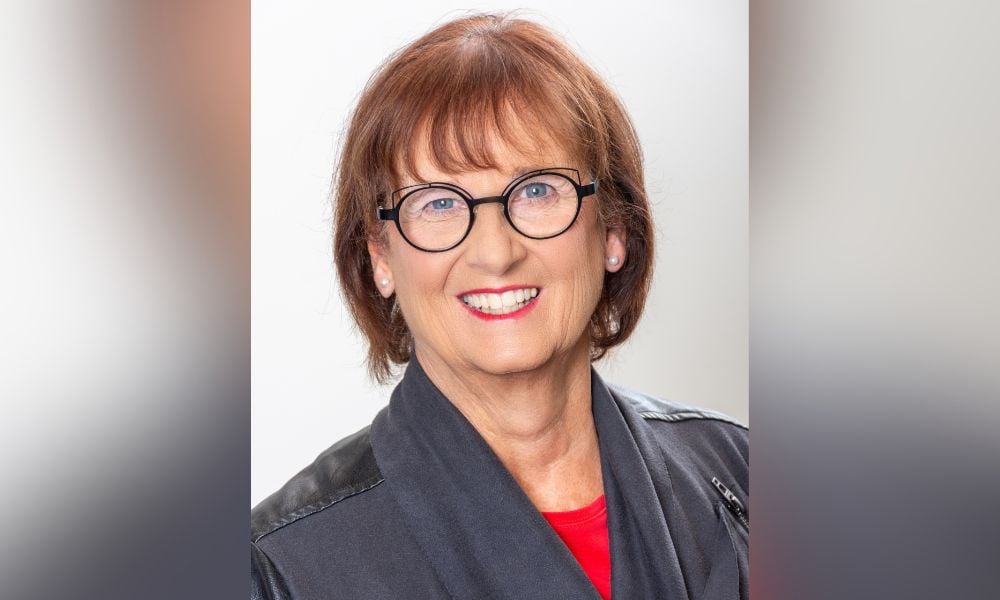
For one, work-life harmony has increased for team members, says Maureen Carroll, senior director global talent acquisition, diversity, equity, inclusion at Vista in Boston.
“Almost 71 per cent feel that they are achieving that work-life harmony, [and] also that their managers are role modelling healthy work-life harmony.”
The online print and design firm made the change to remote-first in August 2020, and it’s really been about how team members have had more flexibility to incorporate the things that make them most happy, that recharge them and allow them to be most productive when they’re working during a non-linear workday.
“The feedback and the engagement that we’ve seen has just increased from our team members over this time,” she says.
But what does this mean exactly?
“Remote-first really means your primary place of work is where you do your best work but it doesn’t mean remote-only,” says Carroll.
For another employer, a new work-from-anywhere policy is the next evolution in offering true flexibility.
Can culture survive?
For employers looking to make the switch, culture has to be accounted for or the effort will fail, says an HR expert.
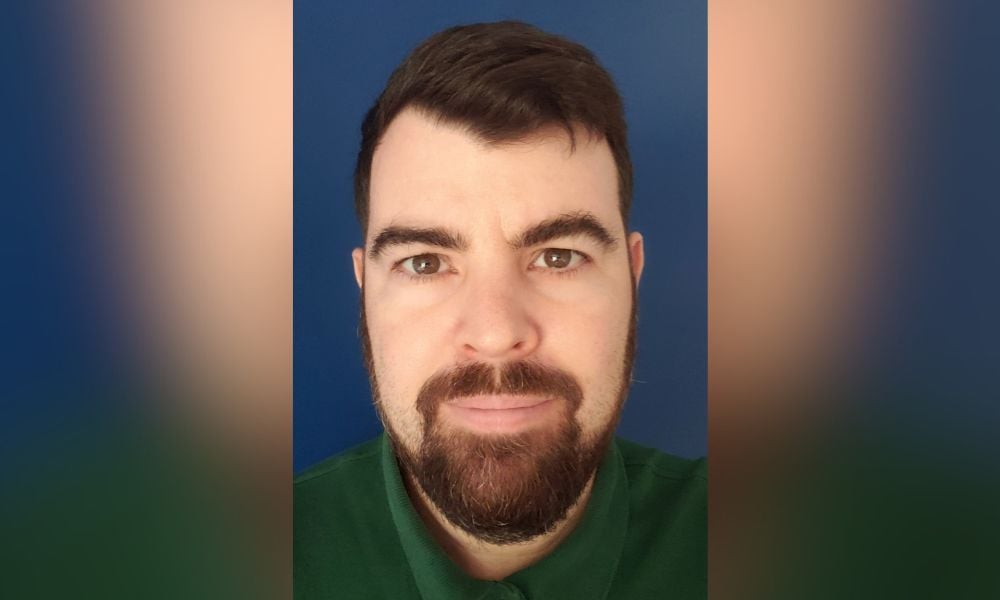
“You have to be willing to engage with your team, very deliberately, on how to build that team spirit and that means that you’ve definitely got to be putting time to that,” says Karen Brownrigg, founder and CEO of iHR Advisory Services in Kanata, Ont.
“I’m a believer that you cannot replicate 100 per cent of the vibe that you get when you’re in-person and the conversation that happens and that organic building of team spirit. It’s impossible to recreate that in a virtual setting and so employers need to understand that ‘While we’re saving time and maybe we’re seeing some very positive impacts to productivity, how much is that taking away from the team spirit? And we’ve got to adopt a strategy about that.’”
For Vista, the switch to remote-first has actually strengthened that internal employee experience, says Carroll.
“Ninety per cent of our team members in our most recent remote-first survey strongly agree that we’re on track for remote-first being a towering strength of our culture. [They] strongly agree that remote-first is good for our company over the long-term, and that it’s a competitive advantage and the feedback is that we are delivering on this.”
Bringing far-flung members to one site has proved the best way for employees to reconnect after three years spent apart.
Dedicated team
What has helped, according to Carroll, is the implementation of a separate, remote-first team whose main role is to support the transition.
“Not only have they created a remote-first handbook that is a massive resource for key members but they are creating content, whether that’s a weekly newsletter, new features called ‘sneak-ups,’ whereby we are providing this very short, snackable video content.”
It’s about “these very clever prompts that remind team members that to do this successfully, we need to change our habits and so how do we continue to find new and engaging ways to do that with team members, and have them fully adapt all the best practices, so that the culture can continue to grow and thrive,” says Carroll.
Fifty-eight per cent of U.S. employers are currently offering workers a remote option, according to McKinsey research.
Asynchronous model
As a company with operations around the world, the successful model also includes a heavy reliance on a new workflow, which has been helped with new tech tools, she says.
As with the other efforts, “our remote-first team has done a great job building this foundation of working more asynchronously, so that across time zones, it really is easy to advance a project and not need to find that sync time as frequently but rather, how can we lean more into asynchronous?” says Carroll.
When onboarding new employees, many questions have to be answered in order to get it right with this non-linear way of doing things, says Brownrigg especially when it comes to new graduates.
“What do they need from a mentoring standpoint? Are they going to be at a disadvantage if they don’t have access to people in the workplace? Who are the mentors in the workplace? Are they required to do the training? Are they required to do the mentoring?”
When this situation arises, remote work might have to take a back seat, she says.
“There’s going to be a certain amount of face-time helping folks who are coming into the workplace for the first time to understand the social norms, the values, and so on, and having access organically to mentors in the workplace. We’ve got to find ways of recreating that for them, and also taking a look at anybody who’s new to the organization, or new to a role.”
Leader humility
For leaders who are hoping to shepherd a successful transition, it’s key to remember they don’t know everything at this early stage, says Brownrigg.
“It’s impossible to have those answers and it really is important for leaders to remember that and to engage in open dialogue with their team members to understand: ‘We might have a dilemma here, folks, how are we going to work on this together? What ideas do you have? And how might we do this?’ And I think you’d be pleasantly surprised to hear what people come up with.”