'15 years ago, a leader of a company told me 'I'm pretty smart for a girl'': HR leader
Bad behaviour in the workplace can hit people especially hard and for one senior female HR leader, this presented itself one day early in her career.
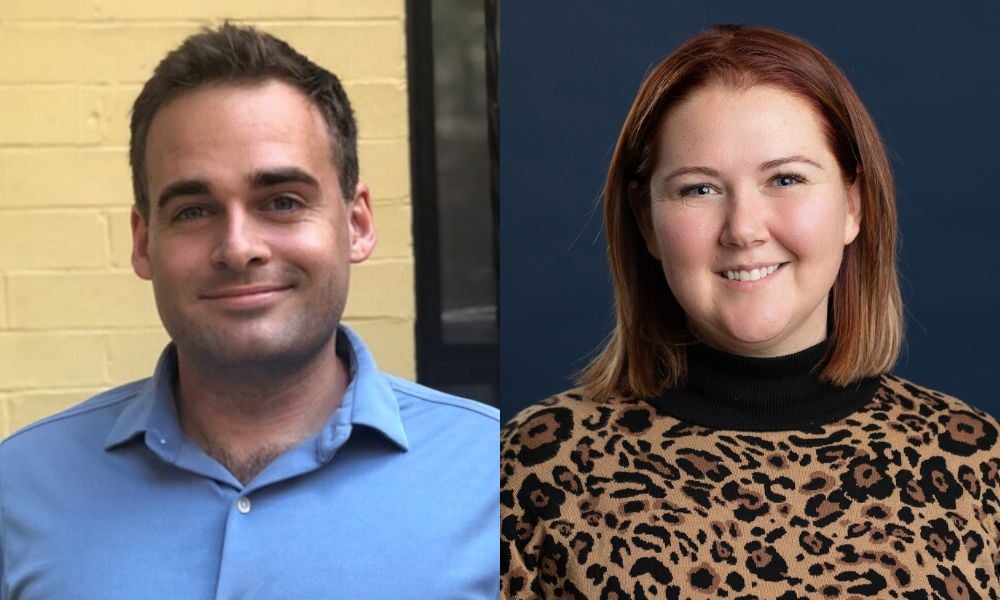
“When I think back about my fear of being a woman professional, and some of the comments or microaggressions that have come out over the years, I remember 15 years ago, when a leader of a company told me, ‘I’m pretty smart for a girl.’ That was a silly little comment,” says Sara Cromwell, director of people excellence at Abell Pest Control in Burlington, Ont.
As a women in a traditionally male-dominated field, Cromwell has seen the effects of being belittled because of her gender and how it continues to happen to some employees early in their working life.
“Where I see a lot of young female professionals, it impacts the confidence that you have. The greatest thing as you get older, you get a little bit more confident in yourself and the decisions you’re making but for those that are newer into their careers or newer into the workforce, that shapes their confidence, perhaps sets them back from being their true potential as an employee because they need to get to that place where they’re confident in their voice.”
There are five big toxic behaviours at work that need to end, says one workplace expert.
Toxic gap identified
When toxic attitudes do present themselves, a new MIT Sloan School of Management research study has shown that women are more vocal about it.
“Women are 41 per cent more likely to negatively mention toxic culture than men in Glassdoor reviews, and that’s based off of the sample of 600,000, and if you rerun the analysis with a larger sample of three million before COVID, you get pretty similar results,” says Charles Sull, cofounder of CultureX in Cambridge, Mass.
When conducting the study, looking at data from the employee experience website yielded sobering results, according to Sull.
“Glassdoor data is phenomenal for studying things like the employee experience and an organizational culture because employees are very candid, and they go into a lot of depth oftentimes about what’s on their mind.”
The study analyzed U.S.-based reviews by respondents who identified as male or female between April 2020 and July 2021. Glassdoor stopped providing gender data to researchers after July 2021.
Managing toxicity in the workplace is much harder in the hybrid environment but it can be done, says two other experts.
Toxic gap
The findings showed there is a toxic culture gap in the workplace and this should be recognized by more organizations, says Sull.
“It’s probably not that surprising that there’s going to be some kind of gap but I was very surprised to see the extent of the gap because it’s basically doubled what the compensation gap is.”
When coming up with the top forms of toxic behaviour, five areas were most talked about, says Sull: disrespect, non-inclusive behaviour, cutthroat competition, downright abusive behaviour and unethical behaviour.
But when it came to actions that are harming women, there was a surprise uncovered in the findings.
“You might expect the gender gap to be driven primarily by mentions of things like sexual harassment and gender inequities, specifically gendered things — and it’s true that there is a very wide gap when you look at those topics — but what’s interesting is that that’s actually only a relatively small percentage of the gap overall,” he says.
For the pest-control industry, steps are being taken to address this gap, says Cromwell.
“What our industry is doing is focusing on building not only a mentorship program but really a community for more women to partner with other women who are going through the industry and have a strong network to deal with some of the microaggressions that may come up in the workplace, or may come up with our customers... we’re seeing female participation really increase both in fields roles and in positions of power.”
HR-led education
For HR, it’s key to educate senior leaders that what they might be saying or thinking is not inclusive and it must be eliminated, she says.
“You need to do unconscious bias training with all management staff, because there is a lot of deep-rooted thoughts and ideas in us that we might not always be aware of and some small comments that leaders can make — this is generally going to come from male leaders — perhaps are microaggressions.”
“Calling women, ‘Hey little lady,’ or little comments like that infantizes women in positions at work or in power so having those unconscious bias discussions and training can definitely assist in having constant discussions of what does a welcoming and inclusive workplace look like and holding people accountable to them,” says Cromwell.
To enact long-lasting changes to attitudes and behaviours, a “listening problem across all of the corporate world” has to be addressed first, says Sull.
“What I experienced is that when you deal with the senior leaders of organizations, especially in HR, they tend to be good people — they care what their employees think, they would like to be able to help their employees if they can — but there’s just a fundamental divide, especially in these large companies, where you can be hundreds of miles away from some of your employees, between what employees are experiencing, and what senior leadership can pick up on so the gender gap is a symptom of that.”
HR should also do a deep dive into the company demographics and start asking hard questions, says Cromwell.
“If you have a very diverse workplace, and you have all white males sitting on your board or in your senior management team, there’s something going on there in the recruitment process that’s filtering out a more inclusive and diverse that senior management team. Is it our recruitment process? Is it how we choose our next set of leaders? Is it how we groom our next set of leaders?”