Government policies could cause 'trickle-down' effect and HR should be prepared, say experts

Saskatchewan and Alberta are joining New Brunswick in taking a stance on the rights of students to be called by their chosen pronouns. Last week, Alberta announced its intention to intervene in a legal challenge against Saskatchewan’s controversial Parents’ Bill of Rights.
Passed late last year, the bill prevents children under the age of 16 from changing their names or pronouns in school without permission from their parents. In New Brunswick last year, the Conservative government amended Policy 713 to add similar requirements in the province’s schools.
While school policies aren’t the same as workplace policies, what happens if political rhetoric like this creeps into workplaces, leading to discriminatory issues?
For one, it could create “a trickle-down effect where in many ways it authorizes and emboldens people to act in discriminatory ways,” says Kristopher Wells, associate professor of health and community studies at MacEwan University.
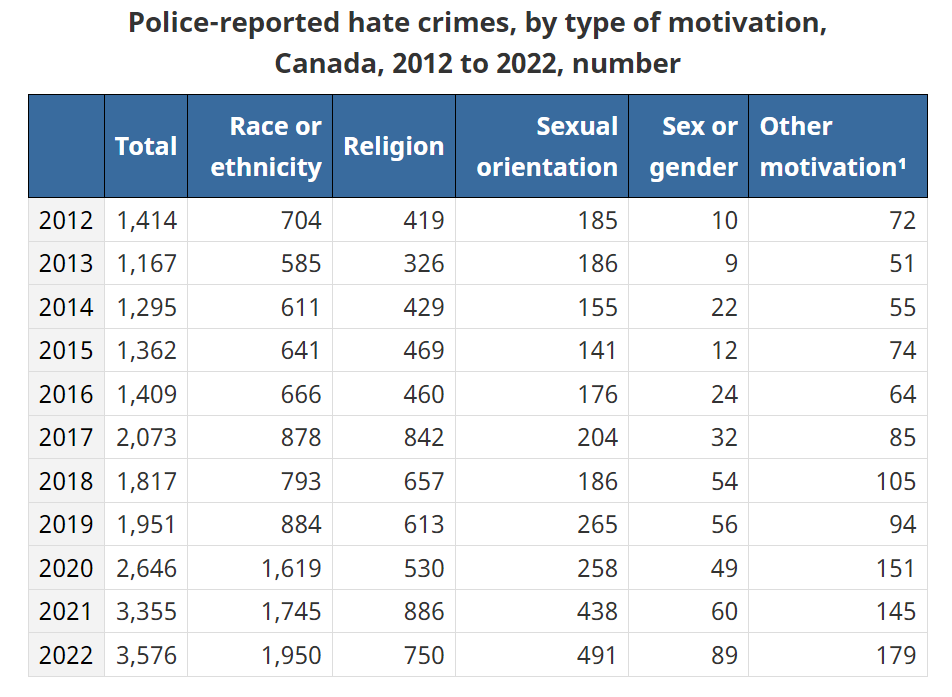
Another factor to consider is the continuing rise of hate crimes in Canada, he says.
“Much of that is based in prejudice and ignorance. So workplaces, we would hope, would be leaders in creating safe, inclusive environments for their employees. It's just good for the bottom line and it's good for our society.”
Employees looking for safe workplace
The policy changes in New Brunswick, Saskatchewan and soon-to-be Alberta signal an “unprecedented” shift to conservative ideology in Canada, Wells explains, and it could end up in workplaces.
“What we see in all three of these cases in New Brunswick, Saskatchewan and Alberta is the influence of far-right populist discourses that we’re more familiar with seeing in the southern United States,” he says.
“But now they are creeping into these Conservative governments here in Canada that are targeting the LGBTQ+ community as convenient scapegoats, and it's causing real world harm where people are feeling now unsafe in their communities, in their schools and in their workplaces.”
Employers should be concerned, he says, because less diversity in government policies means a less diverse population as targeted demographics leave and take their talent with them. For this reason, he says organizations should be paying attention to these policies and increasing their voices in the conversation.
“People don't want to live in those kinds of communities that are actively supporting discrimination, so they'll often choose to go elsewhere, and with that you'll lose high-quality employees in your workplace, you lose your competitive advantage,” Wells says.
“It's the diversity of our people that are our greatest resource … when you don't say anything, your employees are really questioning, ‘Well, where does our organization stand? Is it safe for me to be myself?’ Because the default position for many minorities will be ‘no’, until they actually see and hear visible and vocal signals of support.”
Normalize conversations around gender diversity in the workplace
When gender-diverse employees are supported by policies in the workplace that are communicated and implemented clearly, employers can benefit from the “plurality of lived experiences, perspectives, skills and knowledge” as well as a more progressive culture, says Flora Vineberg, workplace investigator and trainer with Rubin Thomlinson in Toronto.
Even if regressive or transphobic school policies might potentially influence employee sentiment and cause conflict over values, she says, it’s important to remember that students’ rights are under debate because they are under the age of consent.
“Workplaces, on the other hand, are comprised of adults who are capable of expressing their own wishes and desires as they relate to their sense of gender identity and expression,” says Vineberg.
“Despite employees who hold other views, it’s best practice for employers to support a workforce that honours these individuals’ choices and enforces non-harassment and non-discrimination policies.”
Conflicting values around pronouns, gender require balancing act
All employers are responsible for protecting employees from human rights violations under the Canadian Human Rights Act and provincial human rights legislation, according to Vineberg.
Gender identity and expression are included in those rights.
“Respecting the inherent dignity and self-worth of people who work for you should be among your top priorities, along with ensuring they have a safe, positive, non-toxic job to come to each day,” she says.
“Gender-diverse and gender-non-conforming individuals face a disproportionate level of prejudice, harm, discrimination, harassment, and violence. Employers must be proactive in ensuring the workplace allows people to be their whole, authentic selves, free from fear.”
However, this can be complicated when fundamental values clash, such as one employee’s freedom of expression or religion conflicting with another’s right to be free from discrimination.
Maintaining this balance is one of the most difficult parts of addressing such clashes, Vineberg says. But employee safety comes first.
“For employers trying to facilitate these conversations, it’s best to first ensure there’s no imminent threat to employee safety. Once this is clarified, the circumstances will dictate what approach might be best,” she says, such as a private conversation with the impacted employee, an informal mediation or the submission of a formal complaint and investigation.
HR: Be clear and proactive around pronoun, gender expression policies
HR managers also need to make clear what the employer’s policies are around compliance, Vineberg says; effective strategies to implement policies include being proactive around modeling positive behaviour and never “deadnaming” (continuing to refer to an individual by their former name or pronoun, after transitioning).
If an employee is transitioning, she says, informing other staff, with permission, of that person’s chosen pronouns or expression will alleviate the pressure for workers to figure out appropriate conduct themselves.
“This way, there’s no lack of clarity, and the individual at the heart of it feels supported by their employer,” says Vineberg.
Using an employee’s desired pronouns respecting their gender expression is “not an accommodation”, she says, quoting a significant B.C. Human Rights Tribunal decision.
“This decision signals to employers their obligations to treat complaints of discrimination and harassment seriously, and conduct proper investigations as required,” she says. “Failure to act or to properly address these in a timely manner could lead to a hostile or poisoned work environment, and to monetary and non-monetary liability.”