CIBC's application form leads to backlash – but provides takeaways for HR
In trying to boost its diversity and better reflect the communities it serves, CIBC faced tough questions recently when a job application it posted for Indigenous candidates came to light.
A potential applicant tweeted a screenshot of one of the questions, which encouraged people to complete a video cover letter “and let your personality shine. Feel free to write a song, poem, dress in traditional regalia or bring in back-up dancers!”
Another question asked: “What’s your favourite Indigenous tradition/story?”
Despite the backlash online and in the media, the story serves as a reminder of the complexities around Indigenous recruitment.
It’s all about continuous improvement, says Kelly Lendsay, president and CEO of Indigenous Works, which works with organizations to strengthen their performance and results in Indigenous employment, workplace engagement and inclusion.
“If we do this respectfully… people are going to be open to change and learning,” he says. “People want to do the right thing; I think that they're coming from the right place. But that's not enough. I mean, the emotion is good, but it’s [about] the actual practices, strategy and tactics that play out in the real world.”
Hopefully, despite the criticism of CIBC, other employers won’t step away from Indigenous recruitment, he says.
“I don't know who the recruiters were but, I can tell you, they're not malicious people, they're trying to do a good job... and that's at the root of it is the employer ultimately has the responsibility to train and educate their employee in these competencies.”
We are plowing a new road, for a lot of people, and we want to do the right thing, says Bob Joseph, founder and president of Indigenous Corporate Training in Port Coquitlam, B.C.
“Sometimes, you’ve just got to make mistakes and learn from them. [Employers] want to make a difference, they want to recruit Indigenous people, you can't really be upset with that. And it's like Oprah said: ‘Once you know better, you do better.’ I think that's all we can really ask for in this life.”
External partnership for Indigenous hiring
CIBC’s job application form came from Our Children’s Medicine (OCM), an organization that works to “close the Indigenous employment gap by collaborating with community leaders to develop a culturally inclusive application and hiring method for employers across the country,” including CIBC.
The applications, including assessment questions, are crafted in consultation with Indigenous Elders, Knowledge Keepers and other members of the community, says OMC.
“Applications are housed on our platform and provide a unique opportunity for Indigenous candidates to share their whole selves with potential employers, allowing hiring managers to identify an Indigenous candidate’s lived, cultural and transferable skills (which get lost during a traditional ‘corporate’ application and interview process).”
CIBC says it has hired more than 70 Indigenous candidates through the collaboration.
“From our consultation with Indigenous communities, we know that the traditional application process doesn’t always work, which is why we partner with community-based organizations to help attract talent from the Indigenous community,” says a spokesperson.
Feedback from the job seeker from the Indigenous community was received, says the bank’s spokesperson, and “it was shared with OCM and acted on, which reflects the continuous journey we are on to create more inclusive outcomes in our hiring processes.
“Building an inclusive team requires challenging traditional hiring processes, and we will continue to seek new and better ways to create a workforce that reflects the clients and communities we serve.”
‘We’re all learning’
CIBC did the right thing in reaching out to an Indigenous organization, says Lendsay.
“But, as Indigenous organizations, as Indigenous people, we also have to be prepared to listen to the feedback from our own Indigenous communities and people. And it doesn't mean just because you're an Indigenous organization that you're always going to get it right,” he says.
“People have this sense of something magical just because you reach out to an Indigenous organization, [that] they must have 100 per cent of the answers all the time... it doesn't matter whether you're Indigenous or not… we're all in a learning mode, things are changing.”
But the psychometrics, and the art and science of designing the right types of questions, are important to the interview process, says Lendsay.
“It's critical because I want Indigenous people screened in, not screened out, and so does CIBC and so does Our Children's Medicine. So I think we're all in vicious agreement about the goal.”
Recruiting and retention are set to become the top priority for employers this year as DEI becomes even more important, according to industry leaders who spoke with Canadian HR Reporter for an interactive feature.
Crafting the questions
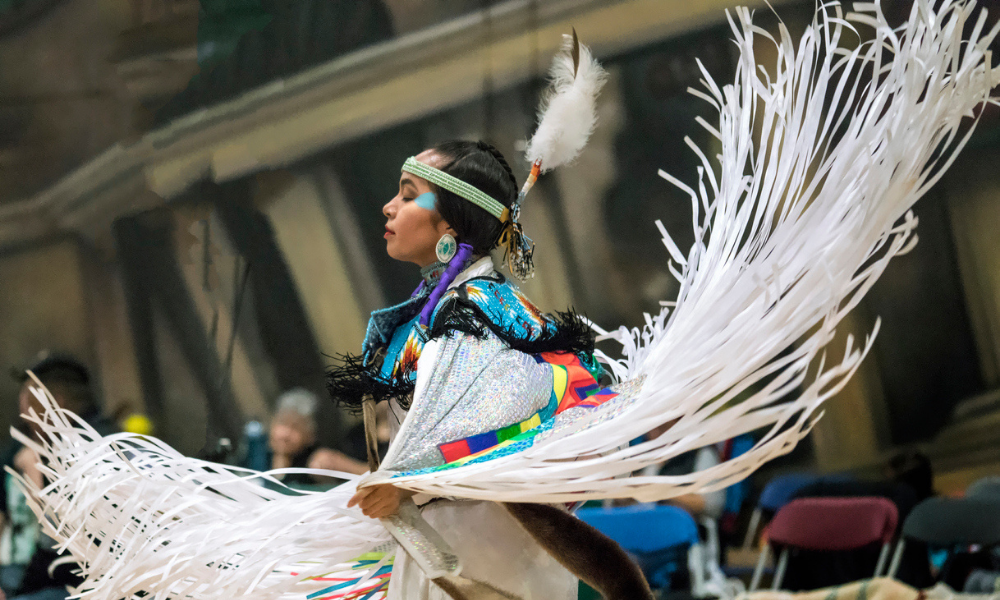
In trying to convey why some of the questions asked might not be appropriate, Lendsay says that things like traditional regalia are not costumes, they are things that people acquire through experience.
“They carry great responsibility. So there's something very deep behind the regalia of dancers.”
In addition, any people who were part of the 60s Scoop – when Indigenous children were placed in predominantly non-Indigenous families across the United States and Canada – might be uncomfortable with that line of questioning.
“These types of questions have a double whammy, because it reinforces the exclusion and the disconnect that you've experienced,” he says.
While the bank may have been looking to understand the applicant’s creative side, there are ways to go about that without resorting to stereotypical questions, says Lendsay.
“You'd be shocked at things that we've heard recruiters ask... ‘Do you bead?’ ‘How many Indian languages do you speak?’” he says.
“From an HR lens or HR perspective, the real question is how do these questions relate to the job profile, the job responsibilities? How are they getting at the question of your skills and attributes and, ultimately, the fit with this career opportunity?”
Instead, it should be about open-ended questions that would work for anyone, such as “Outside of work, what is a moment or experience that you’re really proud of?” says Lendsay, adding that Indigenous applicants might speak of their volunteer work with Indigenous youth programs or traditional dancing.
Another example is to ask the applicant about an event or project they’ve been involved with, he says.
“The Indigenous person might say, ‘I was the chair of the pow wow committee; I had to organize the budget, the committee, the communications plan…’ so they have all the skills, organizational skills, planning skills, budget skills, communication skills.”
Read more: Google Canada has announced a $600,000 commitment to provide free digital skills training to Indigenous job seekers across Canada.
There have been problems with Indigeneity, where people claim their have Indigenous roots, says Joseph.
“So, on some level, we want to try and find out [if there are] issues of identity fraud, for lack of a better term. And so a little bit of due diligence [is good],” he says.
Best practice would be to think about Indigenous recruitment as a high-touch activity, he says, where people take the time to do it right, “as opposed to looking for shortcuts to pick up the quickest possible outcome.”
It’s about relationship building, he says, and getting to know people in person, by asking, “Tell us a little bit about your background.”
“Take a few extra steps, try not to be in such a rush and get more personal, instead of [being] very broad,” he says.
In January, Scotiabank hosted an “Allyship Summit for Change” for its 90,000 employees. The summit featured sessions on why allyship matters, unconscious bias and privilege, inclusive hiring and best practices.
There’s a cultural competence and cultural understanding that’s needed from the people at the front lines of recruitment, says Lendsay.
For example, if a job candidates mentions they’ve been involved with National Inquiry into Missing and Murdered Indigenous Women and Girls, and the recruiter is unfamiliar with this cause, it probably won’t go over well — and that doesn’t bode well for the employer.
“Indigenous people are just like other Canadians — when they go into an interview, they're also interviewing you, the employer,” he says.