Complaint says Anishinaabe ancestry is unproven and seeks discipline and identity checks for lawyers
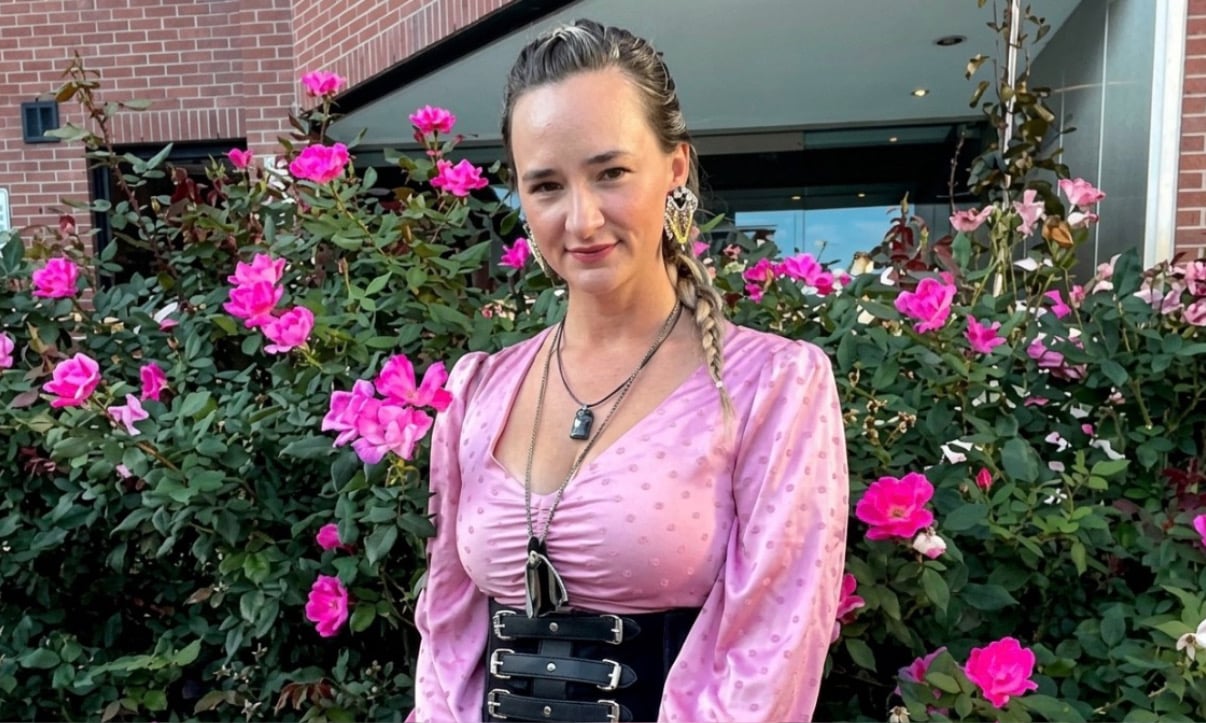
A complaint filed Oct. 14, 2026, with the Law Society of Ontario (LSO) is alleging a Toronto lawyer and University of Toronto (U of T) instructor has no evidence of the Indigenous ancestry central to her career.
Promise Holmes Skinner describes herself as Anishinaabe-Scandinavian, runs a private practice and teaches Indigenous law at U of T.
The complaint alleges Holmes Skinner has “no First Nations, Inuit bloodline to speak of.” It was filed by Crystal Semaganis, head of the Ghost Warrior Society, which, according to CBC News, requires an identifiable Indigenous ancestor within four generations.
It asks the LSO to discipline Holmes Skinner and to “formulate and implement a First Nations, Inuit and Metis Authentication Policy… to go beyond simple declarations of self-identification.”
Semaganis is herself being sued for libel in the Supreme Court of Yukon by four women she accused of faking Indigenous identity, says the CBC.
How Holmes Skinner has responded
Holmes Skinner told Global News she lacks documentary proof but holds a “cherished understanding that my grandmother was Anishinaabe” from Cape Croker First Nation. She said she has taken no positions reserved for rights-bearing people.
Her lawyer, Andrea Gonsalves, said “the fact of making the complaint doesn’t say anything about its merit.”
Kim TallBear, a Native Studies professor at the University of Alberta in Edmonton, disagreed. “If she can’t verify her grandmother is Anishinaabe, don’t be speaking as an Anishinaabe person,” she told Global News.
The LSO says it does not comment on complaints until they are complete, and no finding has been made against Holmes Skinner.
Which laws govern Indigenous identity claims?
Section 33 of Ontario’s Law Society Act states: “A licensee shall not engage in professional misconduct or conduct unbecoming a licensee.” The LSO’s Rule 2.1-1 requires lawyers to act “honourably and with integrity.”
For employers, Ontario’s Human Rights Code governs. The Ontario Human Rights Commission (OHRC) notes Indigeneity is not a protected ground; Indigenous people are protected mainly through ancestry.
The OHRC’s May 2025 policy statement on Indigenous-specific hiring says employers should confirm identity claims with local Indigenous peoples, warning that checks after hiring may raise employment law issues. It cites the late Murray Sinclair, who said in 2021: “It is clear that self-identification of Indigeneity no longer works.”
U of T now substantiates claims
U of T previously cited privacy reasons in September 2026 when asked how it verified Holmes Skinner’s Indigeneity, but on Oct. 20, it launched an Indigenous Substantiation process.
Candidates need proof such as a Certificate of Indian Status, or a declaration backed by lineal genealogical evidence and a community reference. Family lore, DNA tests and affidavits are not accepted.
The university told Global News the process “does not apply retroactively, it will be initiated for current faculty members who identify as Indigenous when they engage with new opportunities, such as promotions, research funding competitions and awards.”
The case adds to the practical complexities of Indigenous hiring in Canada.