
Alleged $48-million fraud schemed involved more than 19,000 invoices
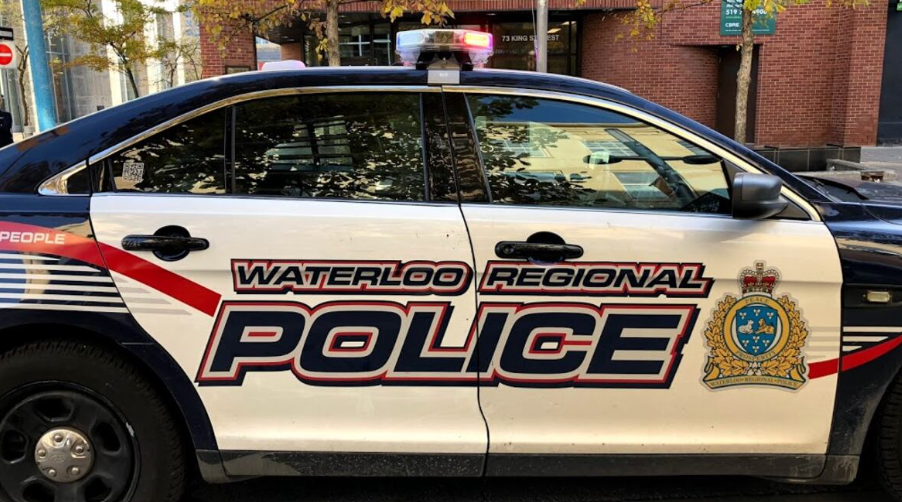
Four former executives of a Waterloo, Ont.-based firearms distributor have been charged following a multi-year investigation into an alleged $48-million scheme that used fabricated invoices and financial records to secure tens of millions of dollars in financing, according to Waterloo Regional Police Service.
The accused were executives at Trigger Wholesale Inc., a firearms distributor that claimed to supply large Canadian retailers, government agencies and law enforcement services.
They include the company’s president, an owner, the CFO and COO, according to CTV News. A 52-year-old male and a 48-year-old female from London, a 56-year-old male from South Frontenac, and a 64-year-old male from Guelph have been arrested and jointly charged with fraud over $5,000, forgery, uttering forged documents, and falsification of business documents, according to police.
Additional charges include possession of property obtained by crime, laundering proceeds of crime, and identity fraud.
Extensive civil court documents outline allegations of fraud involving Mark Gdak and Jaimee Lynn Gdak, the directors and officers of Trigger Wholesale, according to CTV. The documents include invoices that appear to be from large Canadian companies but contain spelling errors and other irregularities,.
More than 19,000 fraudulent invoices
Investigators claim the executives fabricated deals and sales to secure funding from their lender, Clearflow Commercial Finance Corp.
"Investigators determined that the suspect company submitted more than 19,000 fraudulent invoices for goods allegedly sold to major retailers," said Det.-Const. Mike Payne of the WRPS Commercial Fraud Unit at a media conference Tuesday.
In addition to the fake invoices, the company also had fake shipping and delivery records, altered firearms inspection reports, fake email domains and voice technology that was used to impersonate employees of legitimate companies, according to police. The money was then used in a Ponzi-style scheme, where it was cycled back to Clearflow to simulate legitimate payments, says CTV News.
"It is believed that the fraud proceeds were used for personal gain, including the purchase of luxury items and properties," Payne said.
Assets seized and liquidated during bankruptcy proceedings included luxury cottages, a yacht, Sea-Doos, vehicles such as Land Rovers and high-end pickup trucks, and renovated homes — all in Ontario, according to CTV. Police say no money has been recovered directly through their investigation to date, though they say they are keeping watch on assets that may surface through the investigation or bankruptcy process.
Long investigation into fraud
The police investigation did not begin until about four years after the allegations first surfaced in 2020, when the fraud was uncovered during financial audits that revealed serious financial irregularities and led to bankruptcy proceedings, according to police. Clearflow wanted to exhaust all civil options before moving forward with a criminal investigation, says CTV.
"The complexities are significant in this one," Payne said, with police reviewing thousands of financial records spanning several years, including an estimated 19,000 invoices, along with banking data, shipping records, digital communications and impersonation tactics. Multiple forensic and cyber experts have also been brought in to help analyze the evidence, according to CBC.
Clearflow is no longer operating, according to CTV.



