'There's a good business case to be made for paying attention to your culture': academic on embedding values in performance reviews
Amazon recently announced an update to its employee performance assessment strategy, highlighting values and culture as key metrics for advancement to leadership roles.
The latest shake-up, covered by Business Insider, now sees Amazon weaving its16 leadership principles right into the fabric of employee evaluations. Instead of just relying on skills or technical know-how, Amazon’s new three-tiered system makes values like "customer obsession" and "ownership" key criteria for success.
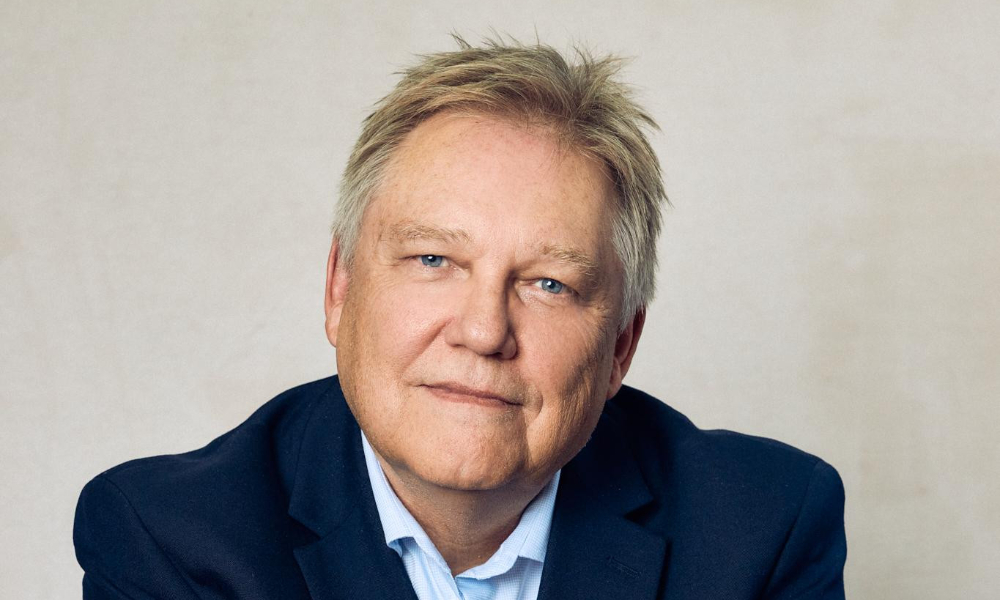
Ian Gellatly, professor of strategy and management at the University of Alberta, explains why this approach makes sense for organizations looking to thrive in today’s landscape.
“I can see why they want to do this," he says.
"To the extent that these are related to the success of the organizations, individuals in their roles, and the organization overall, then you really can consider them to be bonafide occupational requirements, much like job skills, having certain certification, educational requirements.”
Gellatly’s comments echo Amazon’s stance that culture and values aren’t just a “nice to have”—they’re legitimate requirements for getting the job done and moving the organization forward.
How to decide which values matter in employee performance
But how do you actually figure out which values to measure and reward? For HR professionals, it’s not always straightforward: Gellatly points out that it takes legwork and "due diligence" to get this right. But it is crucial that they do.
“You'd have to do some sort of analysis of the job itself," he says, "involving stakeholders, subject matter experts, people who know the jobs really well, to talk about, what's really important here.”
As detailed by Business Insider, teams of more than 50 at Amazon are required to categorize their employees into five performance "buckets":
- top tier (20%)
- highly valued 3 (15%)
- highly valued 2 (25%)
- highly valued 1 (35%)
- least effective (5%).
Amazon’s approach highlights the importance of making values decisions carefully—as Gellatly explains, their leadership principles didn’t just appear overnight, they evolved over time; involving a range of voices from across the organization can help ensure the values you choose to assess are truly aligned with what drives success in your context.
"The thing about culture is that whether you plan it or not, it's going to happen anyways," he says. "Any time you get a team together, a group together, there is a social reality that emerges."
The business case for culture in performance assessments
According to Gellatly, Amazon’s leadership principles aren’t purely a mission statement, they’re an example of how organizations can use values as a guidepost for consistent employee action.
He draws a parallel with a company known for strong values, Zappos, which was eventually bought by Amazon. The Zappos case demonstrates how a shared culture can cut down on micromanagement and help teams move faster, with less friction, he says.
“The magic of Zappos is that they actually train their people well. They've got the core values around service, excellent service, and they basically give them the discretion to work with the customers and make good decisions, and act in a way that's consistent with the values of the company," Gellatly says.
"And because of that, you don't have to have a supervisor watching everybody carefully or monitoring, and they're able to deal with all the stuff that's not programmed.”
When employees know what’s expected and feel empowered to act in line with company values, they’re more nimble, creative, and ready to handle the unexpected; he adds that this is especially important for organizations as large and complex as Amazon, where alignment on core values helps maintain consistency across teams and geographies: “Companies that do have strong cultures, one of the hallmark features is that they're able to execute more fully and more quickly than companies that don't have that."
Potential pitfalls of strong company culture
There are challenges to watch for when building and measuring culture. As Gellatly explains, sometimes, a culture that’s too strong or too set in its ways can actually hold an organization back.
“A strong culture firm can be kind of resistant to change. Look at what's happening with the post office right now. It was really built around the time when the world was different ... people's attitudes towards mail and communication has just changed so much," he says.
"As a result, they're struggling to hold on to something that may not exist, so that could be an organization that doesn't exist in five, 10 years from now.”
Another challenge is balancing culture with diversity and inclusion, Gellatly says. For him, the challenge for HR is to ensure the culture is open enough to welcome new perspectives, not just reinforce what’s already there.
"Today, we do embrace diversity and in order to leverage diversity, you really have to bring in people who really see the world in different ways. They've got different knowledge bases and perspectives to offer to problems," he says.
"I would say that would work if the culture actually is open to that.”
According to Gellatly, healthy, values-driven culture helps organizations spend less on recruiting and boosts retention because people who fit are more likely to stay and succeed. On the flip side, if your reputation is for a toxic or negative workplace, filling positions becomes a lot harder and more expensive.
“If you're known for having a toxic culture, you're going to have to pay people a lot of money to work there, because it's just not a comfortable fit for them.”