Former violinist broke non-disclosure agreement to speak out, prompting community support and internal policy shift
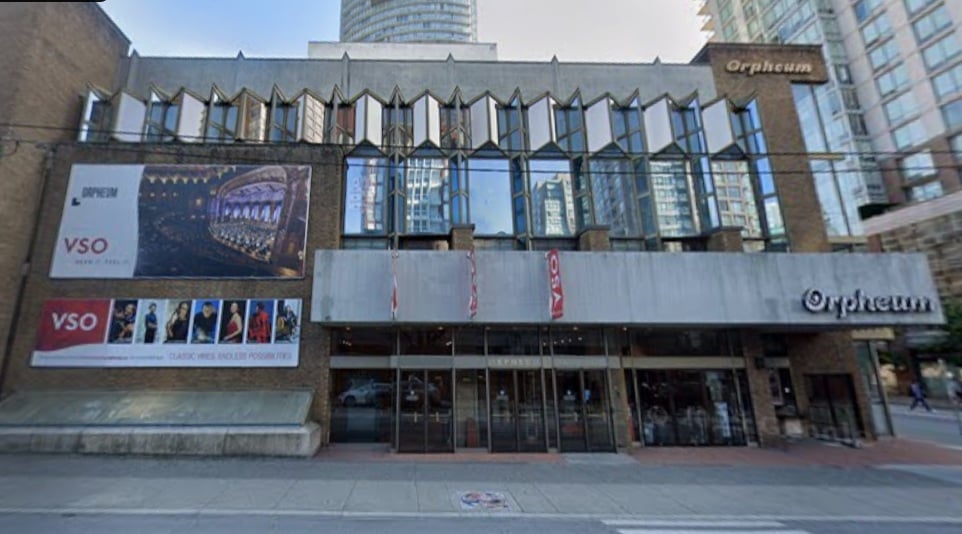
The Vancouver Symphony Orchestra (VSO) says it will largely abandon the use of non‑disclosure agreements (NDAs) in matters involving sexual misconduct, following public criticism over its handling of a former musician’s allegations.
The orchestra confirmed that NDAs will no longer be standard in such cases after a backlash sparked by violinist Esther Hwang, who went public with sexual assault allegations against a senior orchestra member.
In an open letter signed by the board of directors and Angela Elster, the VSO’s president and CEO, they stated:
“We acknowledge the pain experienced by violinist Esther Hwang arising from the confidentiality agreement entered into as part of the 2019 settlement agreement regarding events in 2017. Ms. Hwang has openly described the impact this has had on her, and we regret the suffering she has endured.”
Cease-and-desist letter from VSO
The VSO initially responded to Hwang’s breaking of the NDA by sending a cease‑and‑desist letter, arguing that she was bound by a confidentiality agreement tied to a settlement, according to the Globe & Mail.
The orchestra said in the recent letter that that move was intended to protect employees it believes were unfairly linked to allegations that had not been proven.
The organization said it acted “to protect current VSO employees who ‘have been publicly identified with unproven allegations, including those that have been found to be unsubstantiated by independent investigation.’”
They further said they have a responsibility “to protect the organization and its people from statements or actions that may be inaccurate or misleading.”
Confidentiality agreement signed in 2019
Hwang told the Globe & Mail that the organization put pressure on her to sign a confidentiality agreement to settle a sexual-assault complaint she had made in 2019 against a man who was then a senior member of the orchestra.
However, the organization said in the letter that the agreement “was the product of comprehensive negotiation, with each party making material contributions while represented by their own legal counsel.”
It now says it will stop relying on NDAs when sexual misconduct is alleged, rather than asking complainants to sign confidentiality clauses as part of resolutions.
As part of its next steps, the orchestra has committed to consulting with external advocates and community voices. The VSO said it would be “reaching out to several experts and the broader community after the backlash, including groups like Can't Buy My Silence that have advocated for the end of NDAs in cases of harassment.”
Pushback against NDAs amid sexual misconduct
In response to the situation, a committee representing full-time members of the VSO issued a public statement in support of Hwang speaking out against “unethical and immoral use” of NDAs against sexual assault survivors.
“Teachers and principal players in the orchestral world are predominantly straight men. The same can be said for positions of authority in the greater musical world, including in educational institutions. This has unfortunately created a male-dominated culture that leaves little room for women and queer people to feel safe or heard.
“It is important that the musicians of the VSO recognize our role in this matter, including the spreading of pernicious victim-blaming rumours.”
“We must get to a place where uncomfortable topics like rape culture can be discussed instead of being swept under the rug,” said the statement, alleging that Hwang and others like her “have been made to feel that their safety is less important than the image of an organization.”
In Canada, there has been greater scrutiny of the use of NDAs. Prince Edward Island became the first jurisdiction to limit the use of these agreements in cases of discrimination and harassment in 2022. The new law said that NDAs are only permitted when it is “the expressed wish and preference of the relevant person concerned.”
Ontario introduced Stopping the Misuse of Non-Disclosure Agreements Act in 2023 but it has not passed, as is the case for a bill introduced in 2022 in Nova Scotia.
Retaliation denied by VSO
Hwang further alleged that after signing the agreement, the VSO began to retaliate, by offering her diminished roles and cutting her hours, says the Globe & Mail article.
However, the VSO denied that there was any retaliation: “An external investigation, undertaken by a leading firm, found that there was no retaliation against Ms. Hwang by anyone at the VSO, and that our procedures for evaluating and engaging Extra musicians were followed appropriately.”
The Ontario Labour Relations Board (OLRB) recently found that Randstad Canada unlawfully dismissed a manager in retaliation for her workplace harassment complaint.