'It requires an entire organizational approach': Canadian researchers cite challenges of individuals wearing 'neurotypical masks'
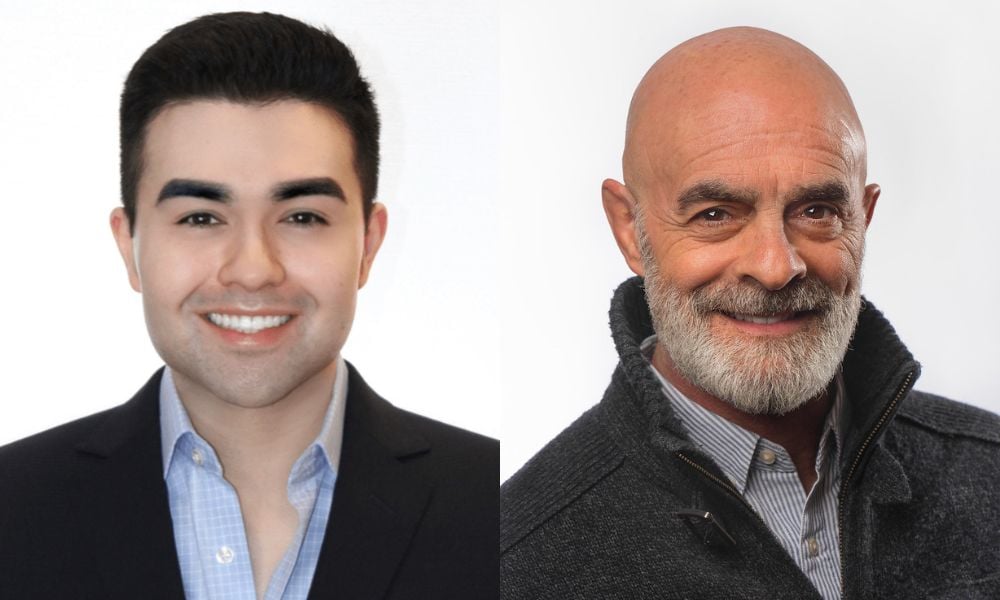
It all started with a conversation between a father and son, wondering about whether autistic employees were vulnerable to the “bystander effect” in the same way their neurotypical colleagues were.
“[It involved] talking with Braxton about that bystander effect and other sorts of cognitive biases that non-autistic humans are prone to,” said Lorne Hartman, behavioural scientist and instructor at the Schulich School of Business at York University.
“He has a term for it, he calls it the ‘weird neurotypical syndrome’, how non-autistic people really just have this weird way of rationalizing, justifying, explaining, minimizing our behaviour.”
New research to identify HR weak spots for autistic employees
The “bystander effect” is a well-known psychological theory that suggests most people are less likely to intervene when witnessing misconduct if there are other people present.
In their late 2023 study, Hartman and his son, York University graduate student Braxton Hartman, showed that people with autism are less likely to succumb to this effect, even in the case of everyday mistakes, demonstrating benefits of having autistic individuals on the payroll.
Braxton is a graduate student at York, a budding neuroscientist, and autistic. His research centres on the neural networks of autistic brains.
The research paper by the two Hartmans takes a close look at barriers that autistic individuals encounter while navigating HR processes such as hiring selection and accommodation seeking. It then offers suggestions for future research and employers.
“Tolerance, support, safety – we all need that, but for an individual who already feels different and already feels a need to somehow justify their presence as an employee in the organization, it's even more intense and draining,” said Lorne.
Masking leads to autistic burnout at work
This draining effect can lead to autistic burnout, which is similar to the burnout neurotypical employees experience from overwork. Autistic burnout, however, comes as a result of an autistic person’s long-term effort to maintain a persona that is acceptable to their neurotypical friends, classmates, colleagues and even society at large.
This burnout has a name, Braxton says: “masking burnout”. It’s something he’s experienced himself in his academic career, and it’s a common occurrence that autistic individuals face as their “neurotypical masks” become too heavy to bear, causing extreme exhaustion, loss of skills and ability to function.
“It's burnout from trying to – in addition to your baseline workload – trying to figure out how to present as neurotypical, either because of fear of discrimination or because it's associated with being more high performance at your job,” Braxton says. “That adds an additional stressor. So creating an environment that's more accepting of neurodiversity, where people don't feel like they have to mask as much, that's one way to reduce burnout.”
Education at an organizational level to prevent autistic burnout
A recent study released by Dialogue Health Technologies reported that almost 100% of HR teams in Canada recognize the importance of mental health training for managers, but only 18% of Canadian employees thought their managers were able to identify mental health struggles in their employees and to be supportive.
This indicates a misunderstanding of mental health issues, the report suggested, leaving employees’ barriers unnoticed and leading to reduced productivity and more turnover. However, organizations that do provide proper mental health support for employees enjoy less turnover and easier talent acquisition.
“The more educated the rest of the organization is about autism, and autism awareness training, makes them much more willing to accept accommodations in the workplace, have much less bias against neurodivergent employees in the workplace, more willing to acknowledge that they are strong competitors,” said Lorne.
“It’s not just providing the accommodations, and it's not counting on having the good luck of a manager who's understanding and supportive and trusting — it requires an entire organizational approach to understanding autism in the workplace, fostering inclusion, creating an environment where everyone feels that they can contribute and participate.”
Accommodations to help prevent autistic burnout
The key to preventing autistic burnout is enabling the individual to ask for accommodation when they need it, Lorne explained, which is why that organization-wide education and mindset shift is so important.
Important accommodations for autistic employees include flexible schedule that allow for breaks after intense meetings, for instance, or rest days when needed, they said. Autistic employees can also experience autistic burnout from sensory overload, as they are often sensitive to distracting sounds, smells or lights that are too bright. These employees can be offered noise-cancelling headphones or a desk in a quieter area or away from the staff kitchen.
The most important thing for employers to remember is that autistic individuals have valuable contributions to make, including the ability to point out inefficiencies which others may miss, said the researchers. But because of bias in workplace selection processes, their research found, autistic employees can be mistakenly blocked from success.
“That's a false belief, that autistic employees are not going to be as productive as a non-autistic employees because they may have difficulty meeting a certain deadline. It might require some flexibility, some assistance, planning, and help organizing their time,” Lorne said.
“Having support systems in place, coaching for employees for how to ask for accommodations, training of managers to encourage them to proactively check and ask whether there's anything they could do to support the neurodivergent employee. That's going to allow that individual to recover, recharge, and be more productive in the long term.”