
How can you implement a proven retention strategy for your company? What benefits do employees care about most? Find out how Canada’s leading employers maintain an employee turnover rate below 5 percent, provide adequate benefits for a diverse generational workforce, and plan to expand their offerings – complete with data and stats on remuneration, rewards, benefits, and new initiatives for 2025.

Baby Boomers
- Healthcare Benefits: This generation places a high priority on health coverage, including medical, dental, and vision insurance. This is because they are more likely to require ongoing medical care as they age. This generation is most likely to visit the doctor for check-ups or preventative treatment, while being least likely to take unnecessary trips to the emergency department at the hospital. Most likely to go when there’s no need? Take a bow, Gen Z.
- Retirement Planning: Retirement benefits are crucial for Baby Boomers. Many are nearing or have already entered retirement, making financial security in their later years a top concern. Although at this later stage in life, making up for lost early saving time is particularly difficult.
- Wellness Programs: Benefits such as gym memberships, wellness rewards, and discounts on health services (like chiropractic care) are important to Boomers. These programs help them maintain their health and well-being.
- Professional Training: Despite being close to retirement, many Baby Boomers value opportunities for professional development and training. This helps them feel relevant in the workplace and engaged in their roles.
- Flexible Working Arrangements: Options such as phased retirement, part-time work, or flexible hours are appreciated. These arrangements allow Baby Boomers to balance work with personal and family responsibilities as they transition into retirement. That having been said, Boomers respect and understand the workplace as being a physical place to work at.
Generation X
Gen X forms nearly 20 percent of the global workforce and over one third of the current Canadian working population. Having seen their parents work long hours, Gen Xers are still prepared to work hard but don’t want to take that work home.
- Remote Work Benefits: Although they didn’t begin their careers with internet-based roles, Gen X has fully embraced remote and hybrid work settings, particularly in the wake of the COVID-19 pandemic. Flexible work-from-home opportunities make Gen X employees feel valued and supported by their employers. Remote work also grants them the flexibility to attend appointments without taking paid time off (PTO), leave work early for significant family events, and work from locations where they feel most productive.
- Caregiving Benefits: Many Gen Xers are responsible for caring for aging parents and require additional support. Statistics reveal that nearly one in five full-time workers are family caregivers providing regular care for relatives with serious illnesses or disabilities. According to the Rosalynn Carter Institute for Caregivers, 73 percent of caregivers have had to leave work early or unexpectedly, and 52 percent experienced income loss due to missed work. Employers can offer financial and emotional support to help employees balance caregiving responsibilities with their work.
- Retirement Planning: As older Gen Xers approach retirement, many are not financially prepared. Employers can alleviate this stress by providing retirement plans and financial wellness programs to help employees plan for their futures. This also includes offering training and guidance, allowing employees to make informed decisions about their retirement savings.
- Competitive Financial Compensation: Gen X workers experience significant financial anxiety, with 32 percent feeling uncertain about their finances and only 8 percent satisfied with their economic situation. Competitive pay and benefits are crucial for this group, as 70 percent of Gen X report being in debt, including credit cards and mortgages.
- Autonomy: As a group, Gen X say they like independence and entrepreneurial opportunities. They appreciate roles that allow for creative problem-solving and autonomy. Employers can motivate Gen Xers by giving them control over their work, offering training opportunities in areas of interest, and enabling them to provide constructive feedback on internal operations. This fosters engagement and allows Gen X employees to leverage their unique skills and experience.
Millennials
Of all the generations in this report, Millennials are the least satisfied at work. Forbes studies show that with an average satisfaction rating of 46 percent, they trail behind Gen Z (52 percent), Boomers (56 percent), and Gen X (66 percent).
Rather than job satisfaction, however, Millennials crave development and a purpose, according to Gallup’s research.
- Professional Development: Millennials want good pay, but the one thing they want even more is an opportunity for career development. More educated than previous generations, 52 percent said that advancement opportunities were the most important thing that attracted them to an employer. Consequently, benefits that help staff with their training or improvement are incredibly important. In a recent PwC survey of over 4,000 people, 65 percent said they chose their current employer because of advancement and career progression opportunities. When asked which training and development benefits were most important to them, Millennials said: working with strong mentors (28 percent), changes of role to increase company-wide experience (21 percent), and support for further academic training (19 percent), although if that training was in a formal classroom setting, the level of interest dropped to just 6 percent.
- Flexible Work Options: Flexible work options may once have meant a late start followed by a late finish, but not anymore. A significant number of Canadian Millennials prioritize flexible work options as the most critical factor for job satisfaction. This preference reflects their desire for a work-life balance that accommodates their diverse lifestyles and personal commitments. Following flexible work, 70 percent of Millennials consider flexible PTO and vacation time as essential benefits.
- Mental Health Resources: Millennials highly value mental health support, with 56 percent highlighting it as an important benefit – more than any other generation. Marsh MMA research shows that this generation suffers more than any other from ADHD, depression, and anxiety. That finding, however, must be viewed through the lens that earlier generations may not have realized that their symptoms or feelings were worthy of treatment. The WHO estimates depression and anxiety cost businesses $1.36 trillion each year in lost productivity.
Generation Z
There may be another work generation, Generation Alpha, waiting in the wings, but for now, Gen Z are the youngsters in the room. More than any generation so far, Gen Z see work as a means to fund fulfillment outside the workplace. This may be why Oliver Wyman’s research for Marsh MMA shows that, on average, the Gen Z cohort is twice as likely to have side hustles as any other generation. Gen Z make up 25 percent of the world’s workforce and focus on issues such as diversity and climate change. This gives some employees a tricky tightrope to walk as they balance the requirements of profits for shareholders against their newest employees’ desire for corporations to be, in their eyes, doing good.
- Flexible Work Options: Like older generations, Gen Z demands flexible work options – at the very least hybrid but more so fully remote. In Microsoft’s Work Trends survey of over 30,000 employees, more than 50 percent of Gen Z respondents said they had relocated because of remote work (compared to 38 percent overall). It remains to be seen whether high bonuses can keep lawyers and bankers in the office as remote work attracts more and more of the newest entrants to the workplace.
- Mental Health Resources: Gen Z also places a high value on mental health support, although they also value overall wellness benefits, with 53 percent classifying these as important or very important.
- PTO to Do Good Deeds: Many workers already volunteer for charities, help the homeless, or perform other acts of service, but more than any other generation, Z would expect their employer to foot the bill. It’s worth remembering that, as Mike Holt tells us elsewhere in the report, this may be a less costly benefit than it first appears, as many employees want the opportunity, but most do not actually utilize it.
What additional benefits do your staff want?
Canadian employers have been experimenting with their offerings, and it’s no surprise that what staff say they want varies by generation. But it’s always worth bearing in mind that what staff say they want and what they will actually use may be very different things.
“In a survey, our staff asked for days off to volunteer for charitable work or other good deeds,” said Mike Holt, a VP with a major national apartment management company. “But the reality is, when we introduced it, a very small proportion of people actually used the benefit.”
This lack of use, however, can be argued to be positive for employers, as employees may feel they have gained something from this kind of benefit that they can tell their friends they have, and it doesn’t cost the company anything.
When consultants Marsh MMA ran their 2024 employment benefit trends survey, the firm broke its questions down to see which non-traditional benefits gained the most traction with which generation. The results varied considerably with age (Baby Boomers aren’t that interested in student loan assistance) and provided a reminder that one size does not fit all.
These charts show the percentage of each age group that thought the benefit in question was very or extremely important, with a rating of one to five.
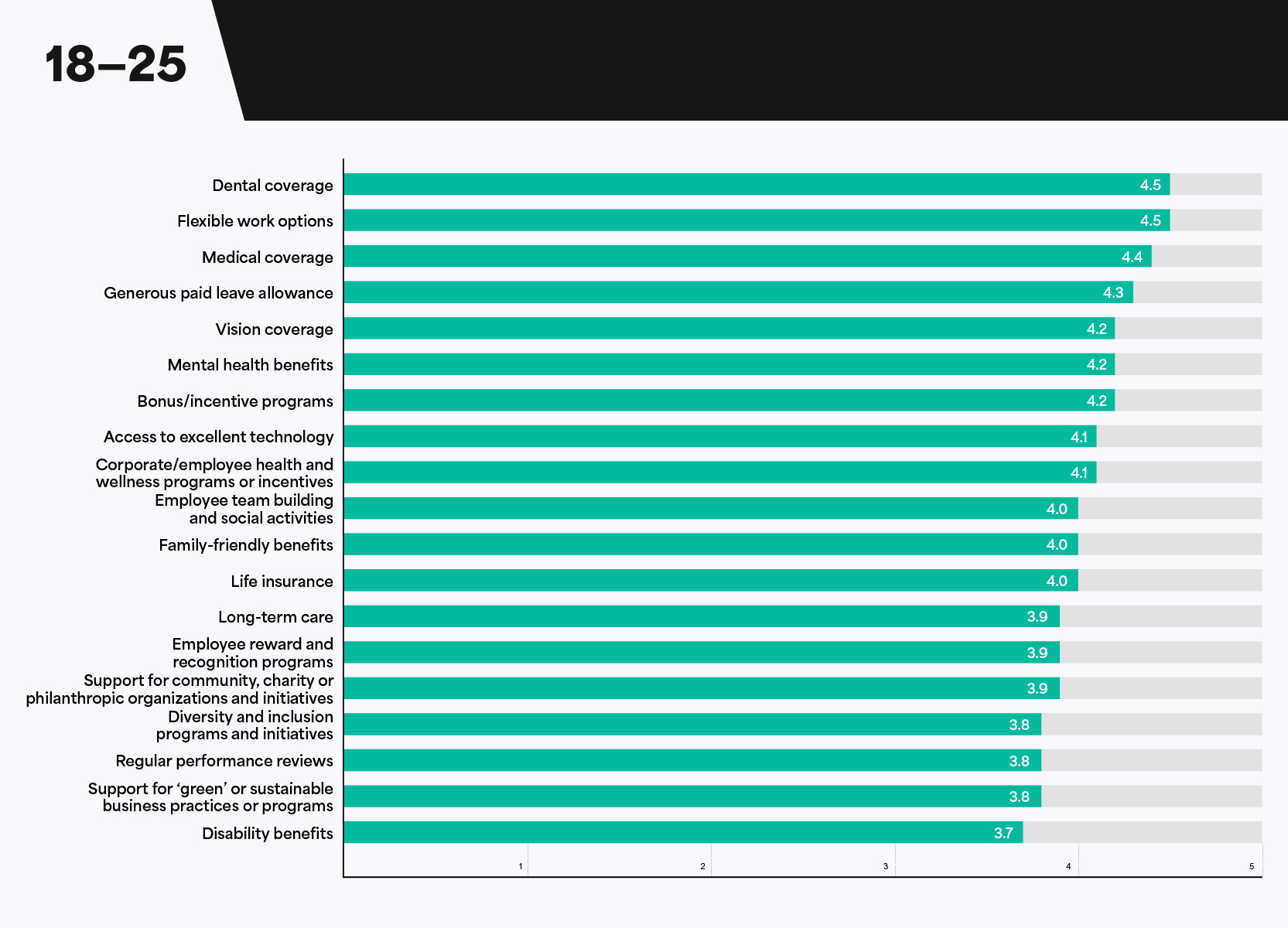
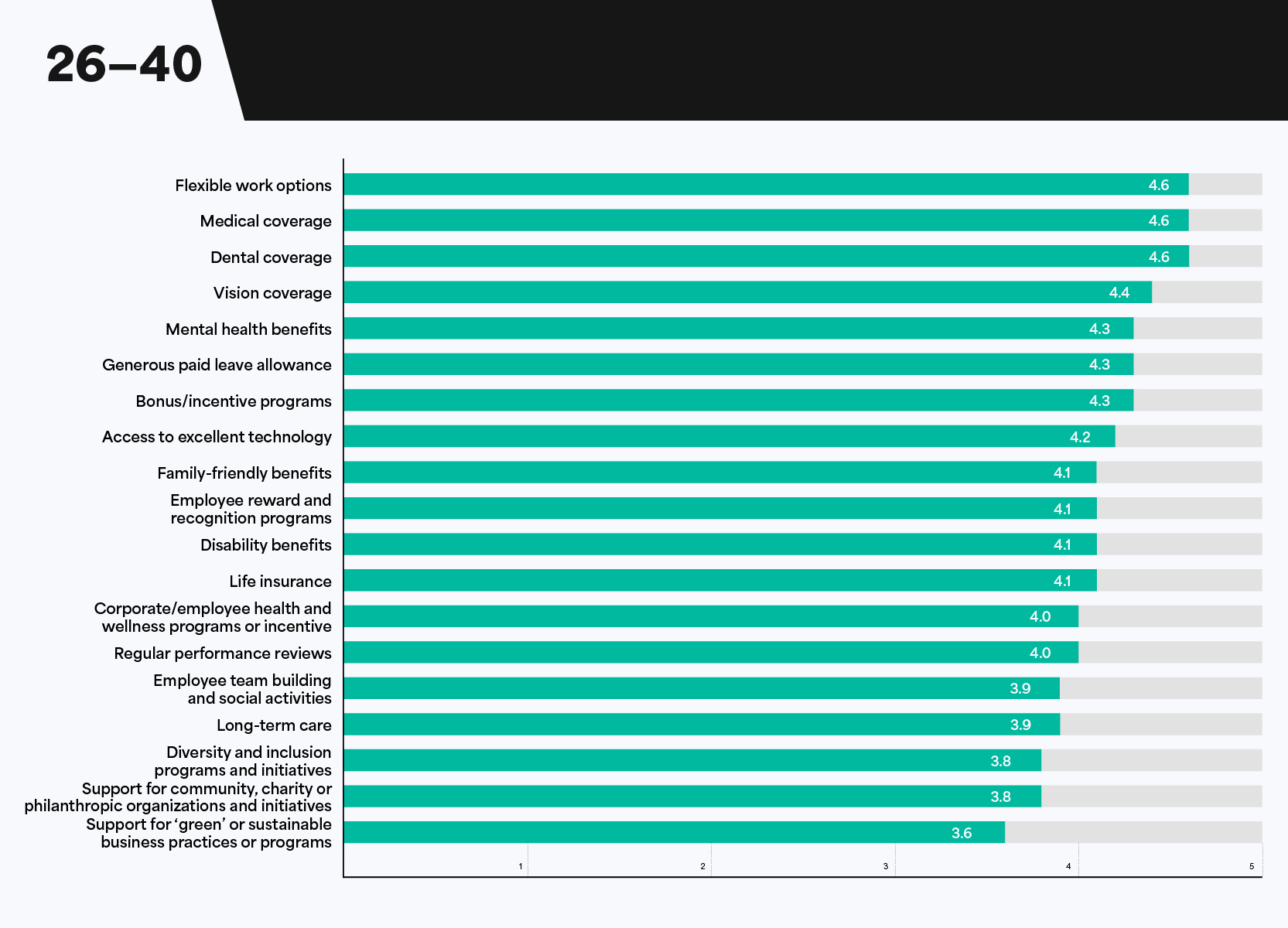
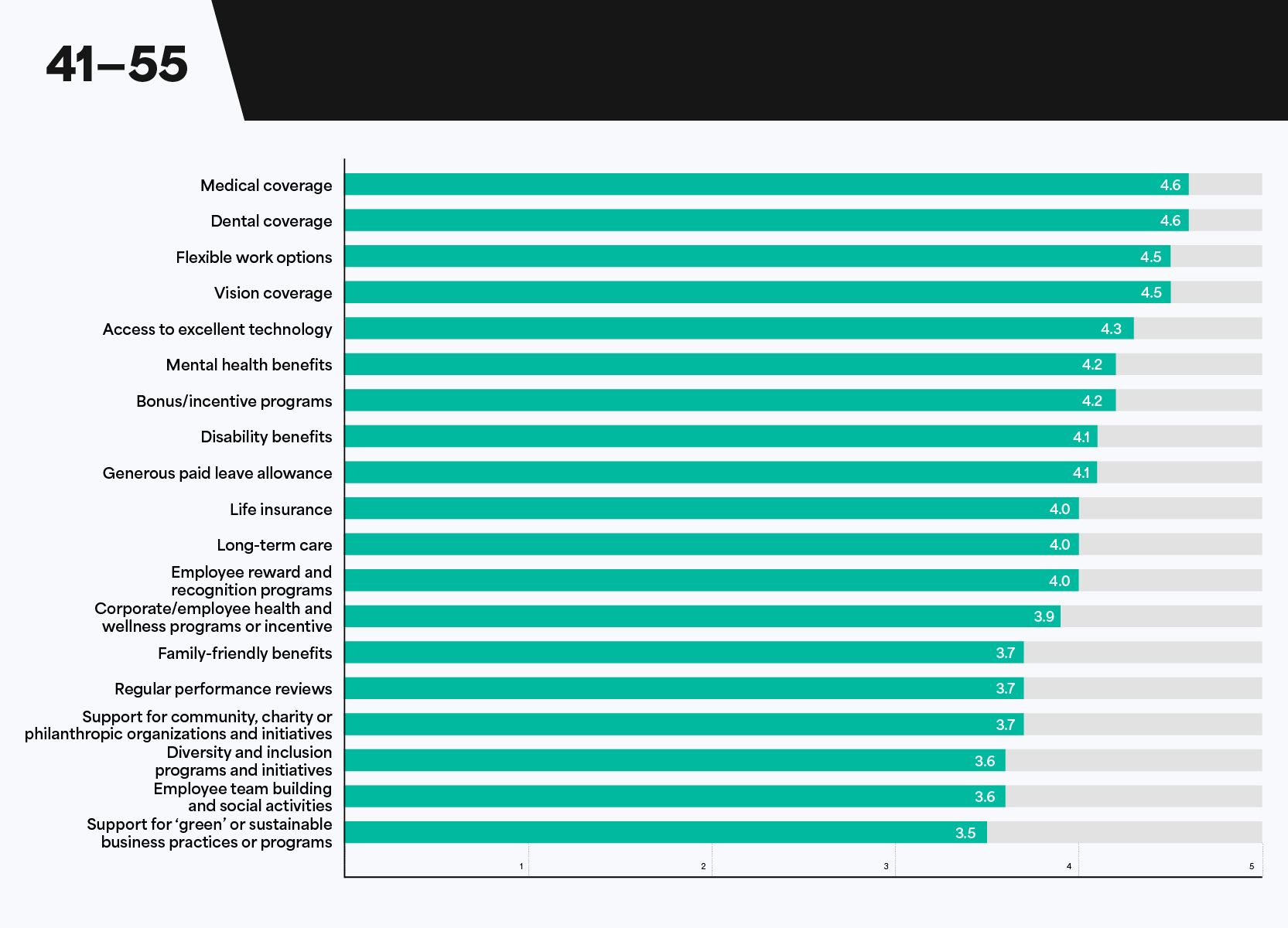
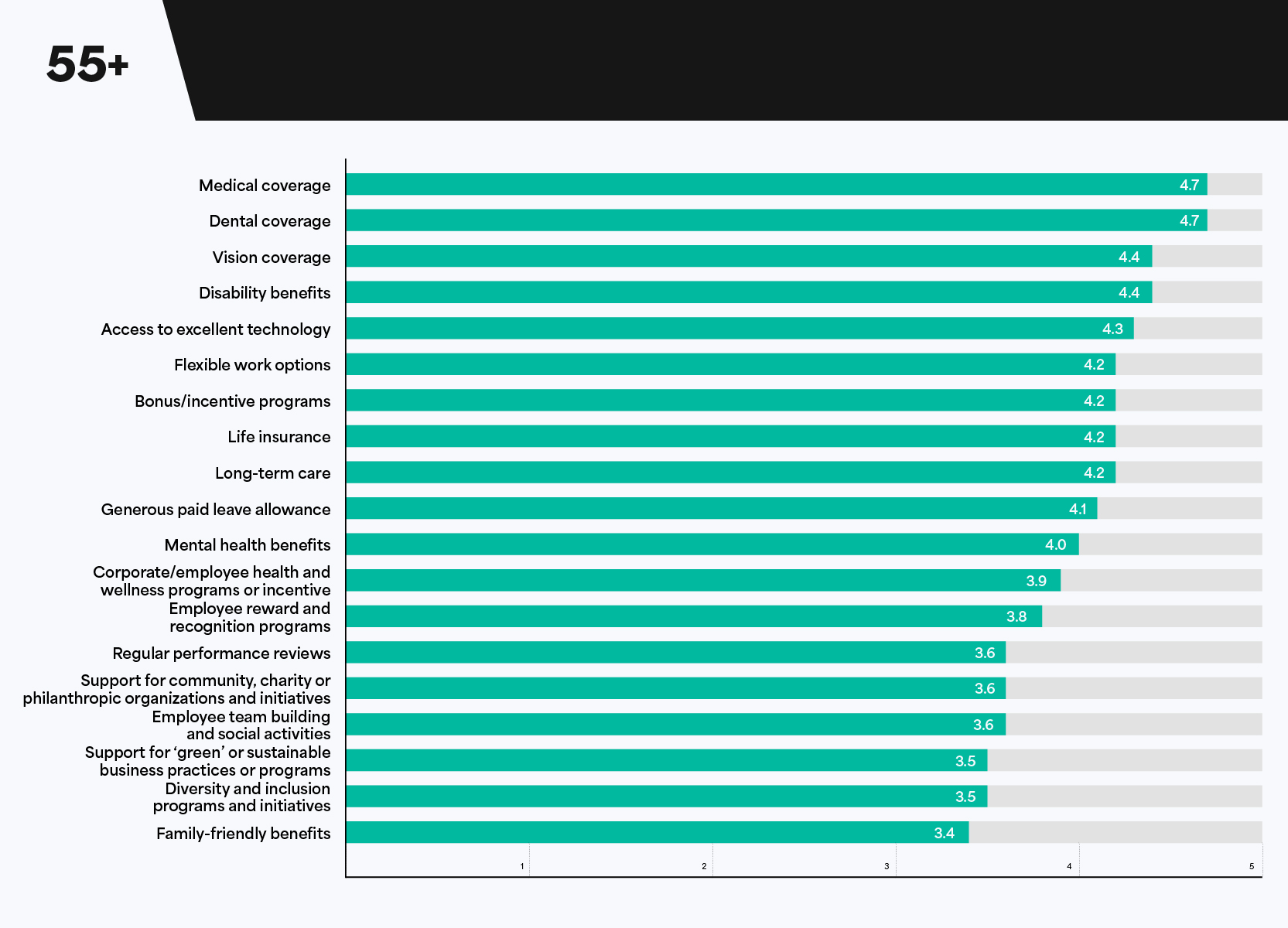
Employee benefits stand out as a key factor in reducing employee turnover, and their increased use may be a potent tool in companies’ strategies.
Of the 762 employees who participated in the 2024 CHRR survey, 69 percent rated both dental coverage and medical coverage as a "very important benefit,” regardless of whether these were offered by their company. These were followed by flexible work options (62 percent). These top three benefits were followed by vision coverage, access to excellent technology, and mental health benefits.
Conversely, the benefits that received the highest percentage of “not important at all” ratings were diversity and inclusion initiatives (6.8 percent), family-friendly benefits (6.8 percent), and support for green or sustainable business practices or programs (6.4 percent).
While DE&I was one of the initiatives least valued by employees, HRD Canada’s 2023 5-star Diversity, Equity, and Inclusion Employers revealed that employees highly valued both the feeling of belonging at a company and the knowledge that their personal beliefs and traditions are respected. These two areas were rated higher than other DE&I initiatives like creating and fulfilling a good DE&I program and having a good training program for diversity within the company. This supports the understanding that employees care more about company culture and support than they do DE&I initiatives, which highlights how ensuring employees feel valued within their company’s culture is an important consideration for employee retention.
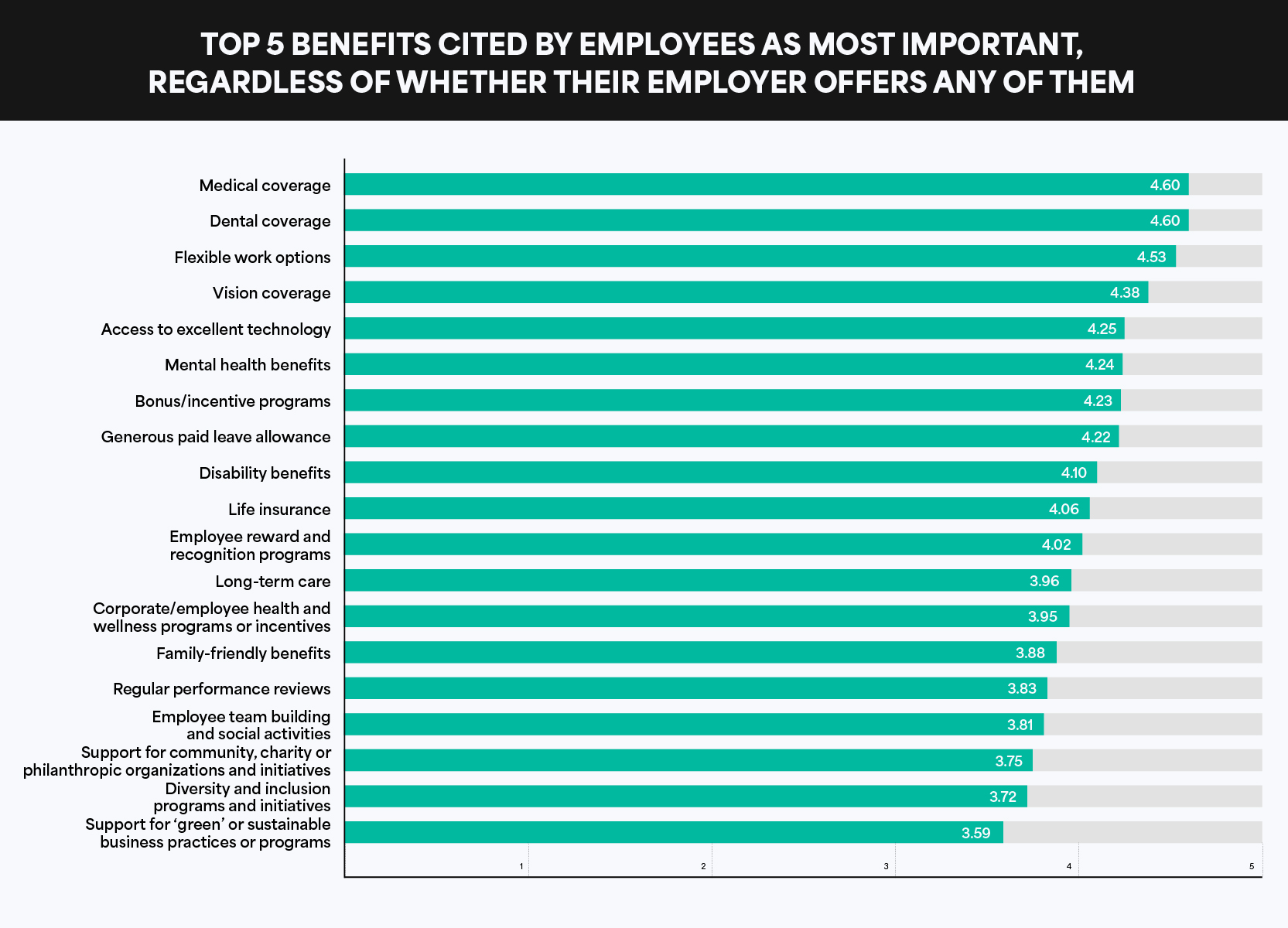
When employees were asked how satisfied they were with the benefits they currently received, they agreed or strongly agreed that they were satisfied with workplace flexibility (77 percent), work-life balance (76.5 percent), healthcare benefits (73.8 percent), and overall compensation (72 percent).
CHRR’s Best Places to Work 2023 Survey showed that job-related training and investment were also highly rated with a 78 percent agreement rate, while satisfaction with family-friendly benefits and bonuses/incentives saw lower agreement rates of 72 percent and 67 percent, respectively.
For Conwest Developments, job-related training and investment are crucial aspects of the company’s retention strategy, which boasts a turnover rate of between just one and five percent. BC-based developer Conwest introduced its Gateway program, which engages employees in in-depth conversation about their values, beliefs, and goals to help them develop a detailed vision of where they want their career to go. The program also aims to build up processes and approaches to help people identify emotional intelligence, situational, and self-awareness. To facilitate this, Conwest aims to bridge the gap between where employees are in their careers and where they want to go, using ‘conscious leadership,’ which has helped train the management team on how to get staff aligned and help them get to their fullest potential.
“Gateway includes the desired culture we want, as well as how we hold each other accountable, processes for identifying goals and strategies to achieve those goals. I think it’s a game changer for our company, and I’m hoping that a year from now, this will be the rocket fuel for our company that will lead to increased productivity and success,” said Ben Taddei, partner and chief operating officer at Conwest Developments.
Encouraging employees to look at what they can improve in their position and what they can add to the team aids in Conwest’s retention strategy, while helping align staff with their full potential.
“We have a very strong culture. It’s very well defined. We know who we are, we know what we want, and we need people who are aligned with us as shareholders. The business model, the staffing needs, and employees’ own personal values and beliefs are aligned from top to bottom. We are for those who know who they are and what they want to do, and in essence, that’s the key to a low turnover,” Taddei said.
Part 4: Benchmarking Benefits
We have already looked at how effective benefits are for retention and how those benefits should be matched to what the employee really values. But what benefits are Canadian companies offering their employees now or what will they be offering in the future?
Health
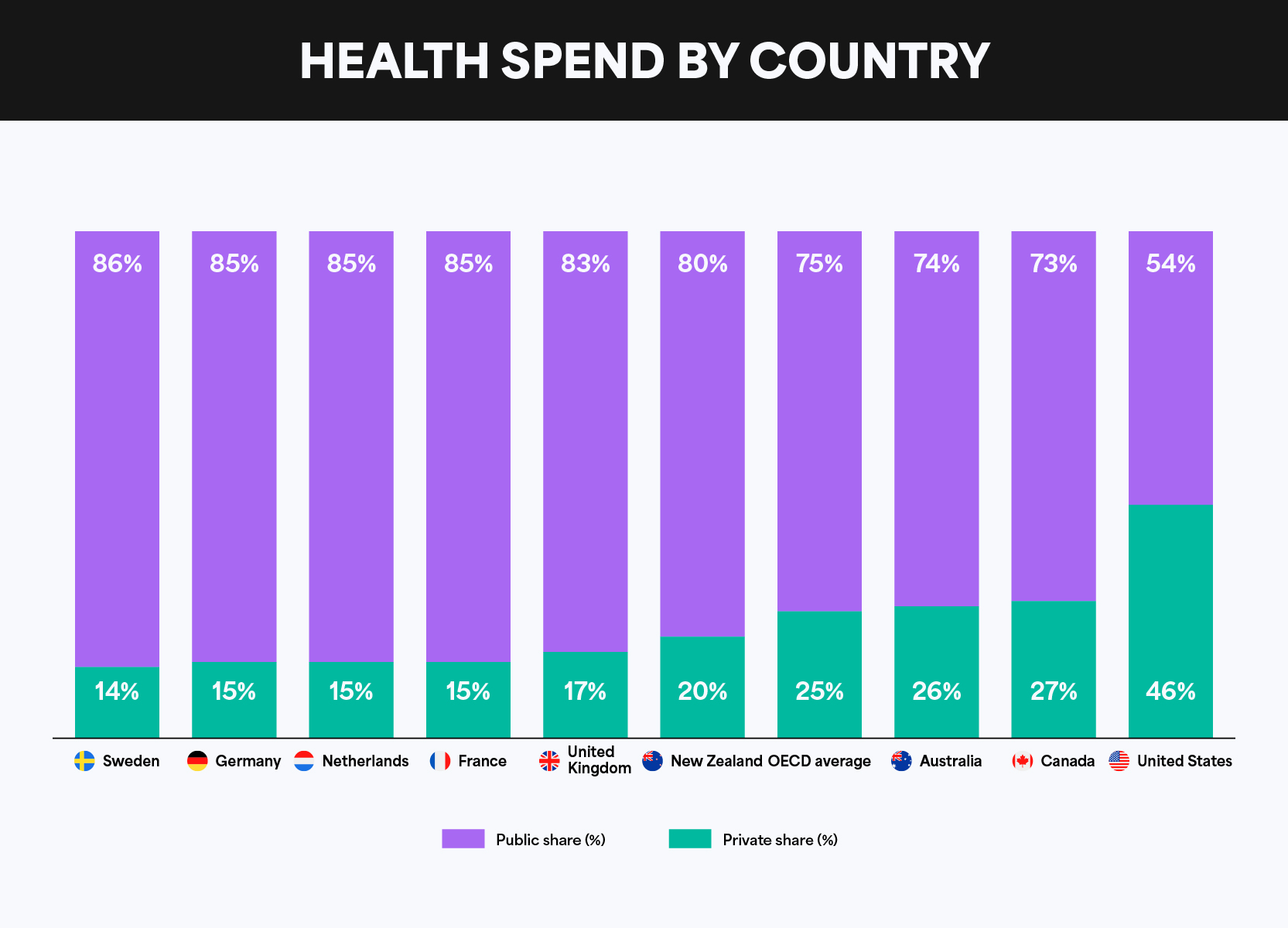
Although we are lucky in Canada to have had publicly funded healthcare since 1968, our survey found that supplemental health insurance is widely recognised as an incredibly important benefit, with very few companies not offering it in some form. Although our private health spending is dwarfed by the US, private healthcare’s importance can be seen when comparing the proportion of private to public healthcare spending.
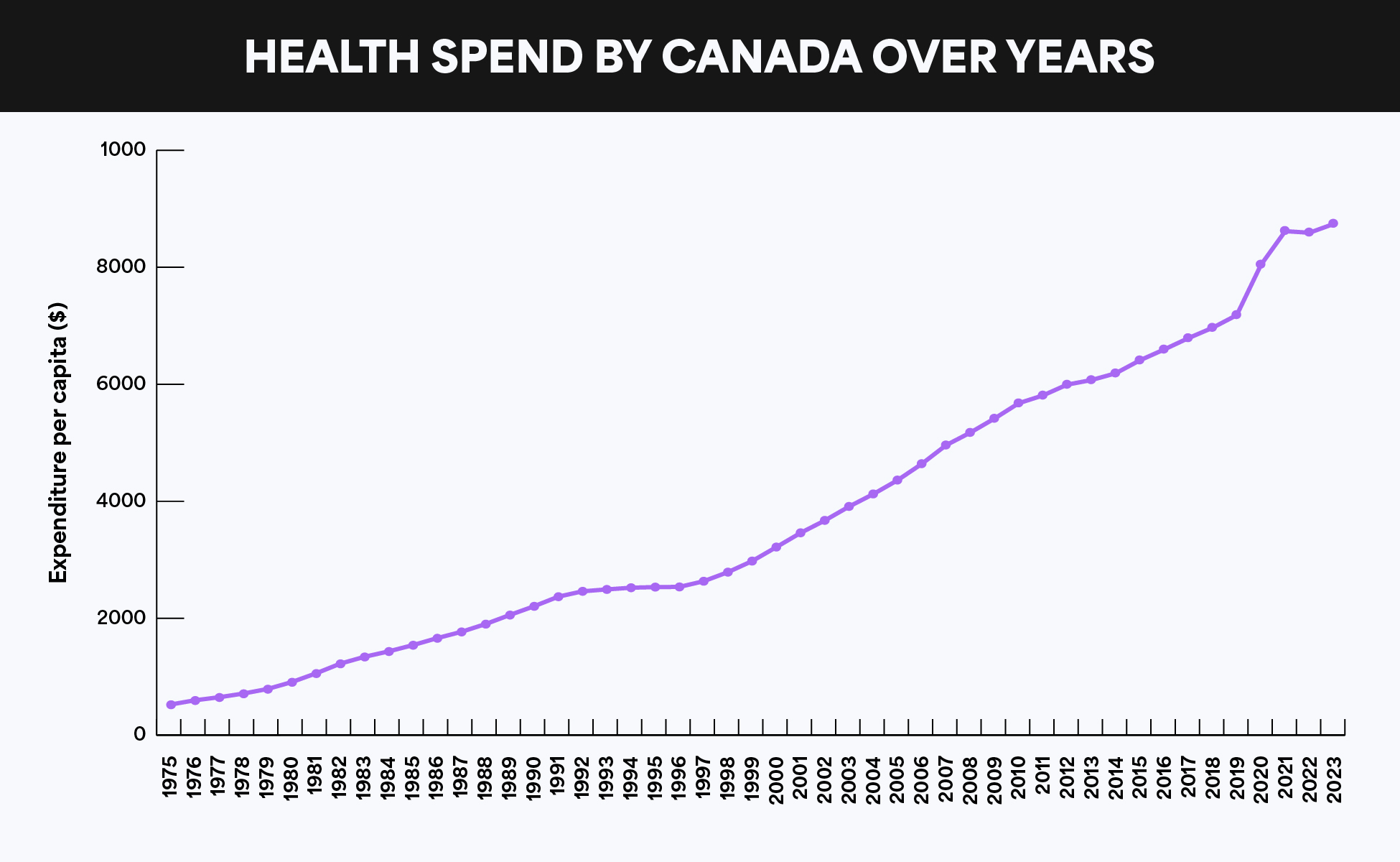
As the country’s medical system feels the strain of an aging population and per capita costs increase, corporate help from an employer becomes increasingly attractive. The median wait time is also up 193 percent since 1993 to 27.7 weeks for medically necessary treatment and is over a year in Nova Scotia and PEI. Supplemental health insurance plans can provide shorter wait times, and better access to both general and specialty care.
How much do companies typically cover?
With health insurance being the number one benefit offered, we looked at what these plans included.
When contributing to employees’ health plans, companies can either pay the entire premium or a share of that amount. Most Canadian companies opt to cover less than 100 percent, with plans generally only covering the employee while they are employed with the company.
Many companies also realise that providing for an employee’s family is an important consideration, which is why 90 percent of companies contribute to dependents’ premiums, albeit generally at a lower rate.
|
Percentage of health premium paid by employer |
For employees |
For dependents |
|---|---|---|
|
100% |
40% |
31% |
|
75% to 99% |
26% |
19% |
|
51% to 74% |
15% |
19% |
|
26% to 50% |
13% |
15% |
|
1% to 25% |
4% |
6% |
|
0%/Do not cover |
3% |
10% |
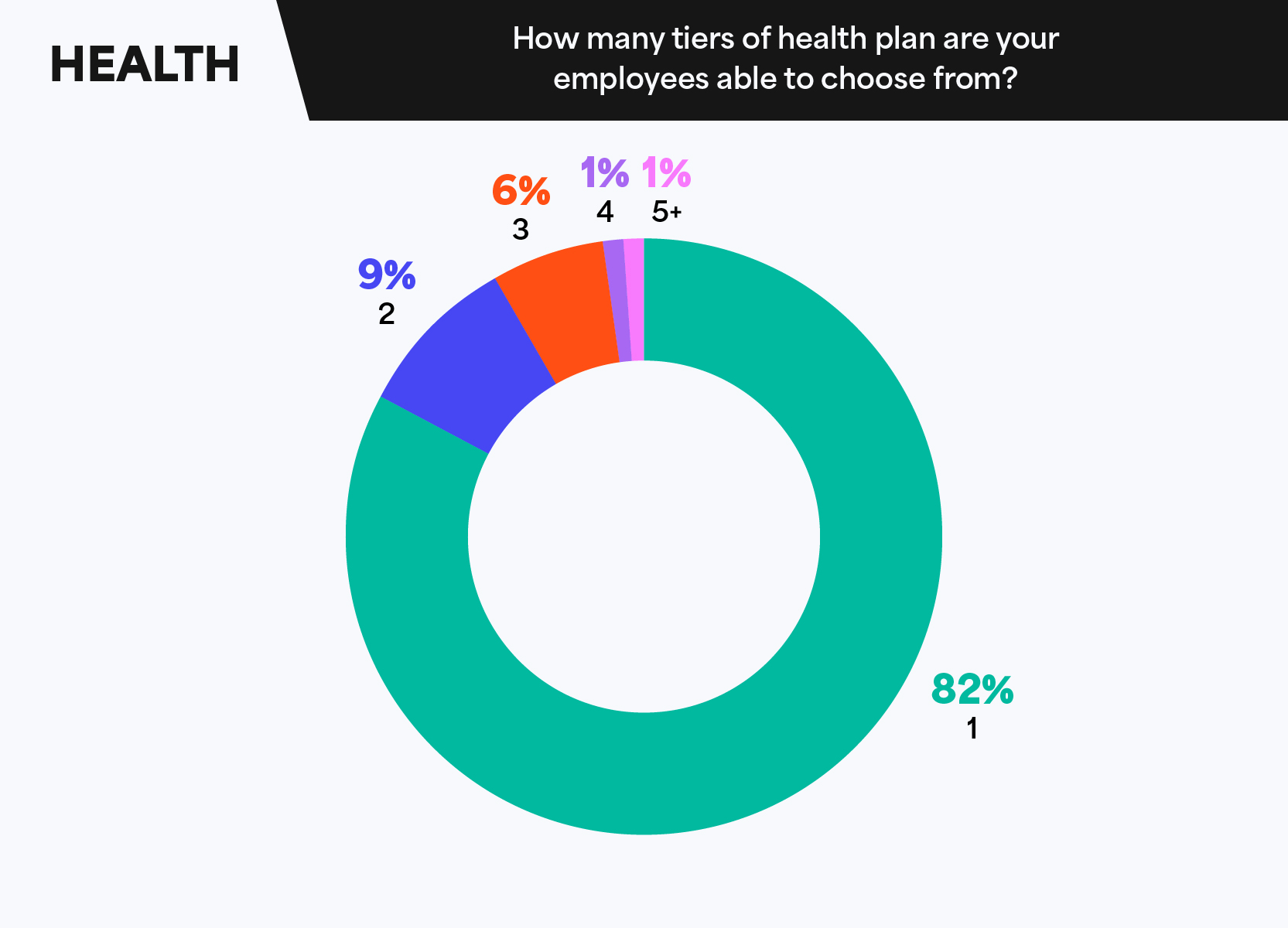
When offering a health plan, companies can consider a number of variables – including deductibles, coinsure limits, and overall coverage limits, but most companies currently choose to keep things simple. Eighty two percent of respondents only provided one coverage level to staff, avoiding the complexities of multiple levels or offers.
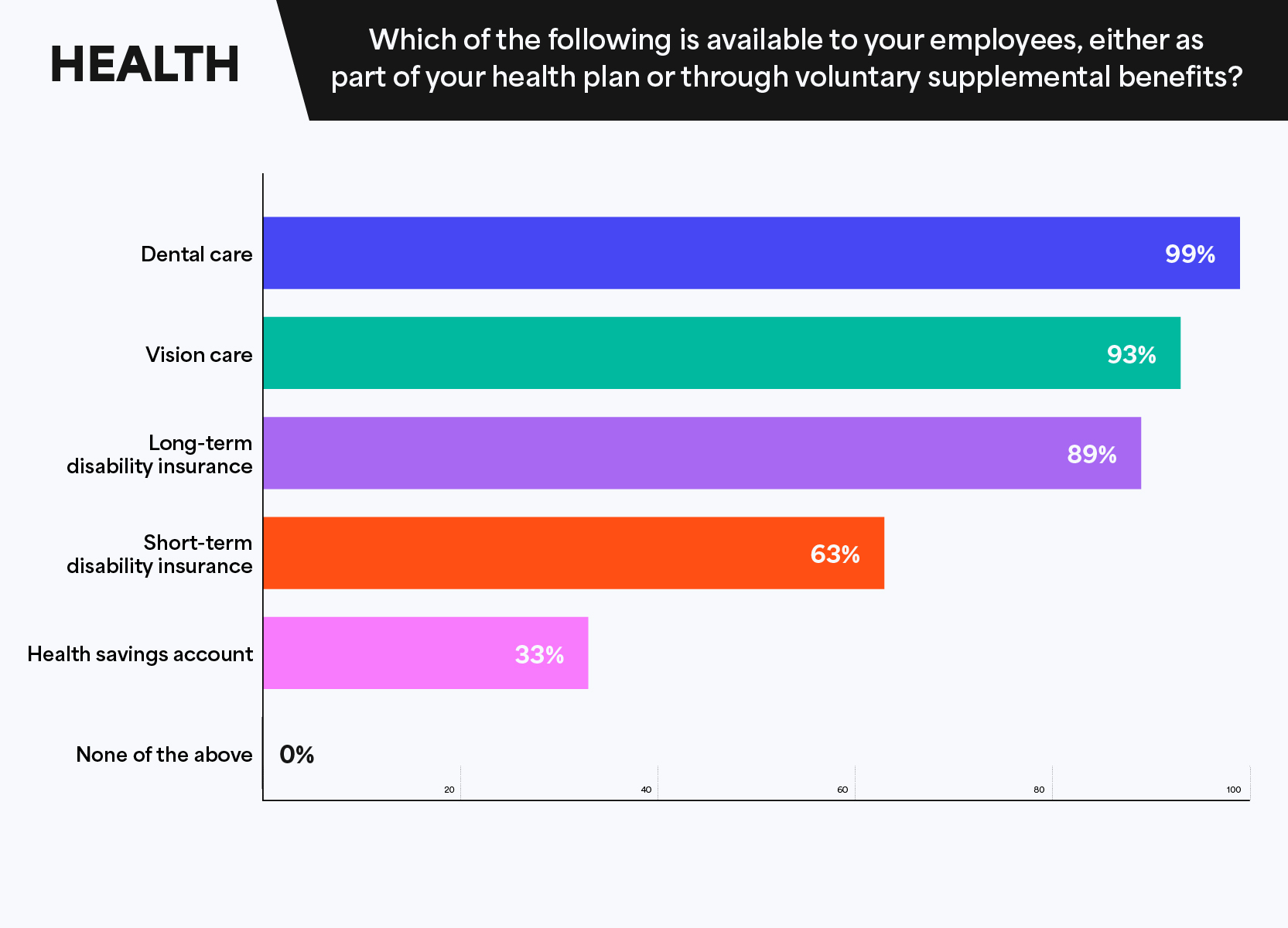
Health plans or supplemental benefits can cover a wide range of other medical issues, such as dental and vision, and most companies offer at least some of these. Topping the list is dental, with vision just slightly behind, according to CHRR’s Benchmarking survey.
HRD Canada’s 5-Star Benefit Programs 2024 survey further supports these findings, highlighting that the additional healthcare benefits employees care most about are prescription drug coverage, with a rating of 10.86; extensive dental, with a rating of 9.22; and eyecare, with a rating of 7.8.
Meanwhile, the additional healthcare benefits employees cared least about included virtual care, acupuncture, and travel expenses covered for out-of-state procedures, with ratings of 2.4, 3.17, and 3.39, respectively.
With an overall satisfaction rating of 4.5/5, London, ON-based BlueStone Properties was one of the employers that employees rated highly in our research. The company has a commitment to employee health, well-being and work-life balance, much of which is facilitated by benefit offerings like BlueStone’s Better Days program.
This initiative provides employees with four paid days off annually, no questions asked, to support mental health and personal rejuvenation. The program ultimately acknowledges the importance of mental health and ensures employees can recharge and return to work at their best.
In addition, the company’s new EAP provides employees with options for continuity of care with the same provider and expanding the providers covered by the EAP.
“We have an incredible team, and over the last several years, we’ve been focusing on people and putting our people first. It’s a collaborative approach as to how we do that. We don’t look at it from the perspective of how we keep our employees, but how we treat everyone like we think they should be treated and create a culture that we all want to work in,” said Jaclyn Pisarczyk, BlueStone’s executive vice president.
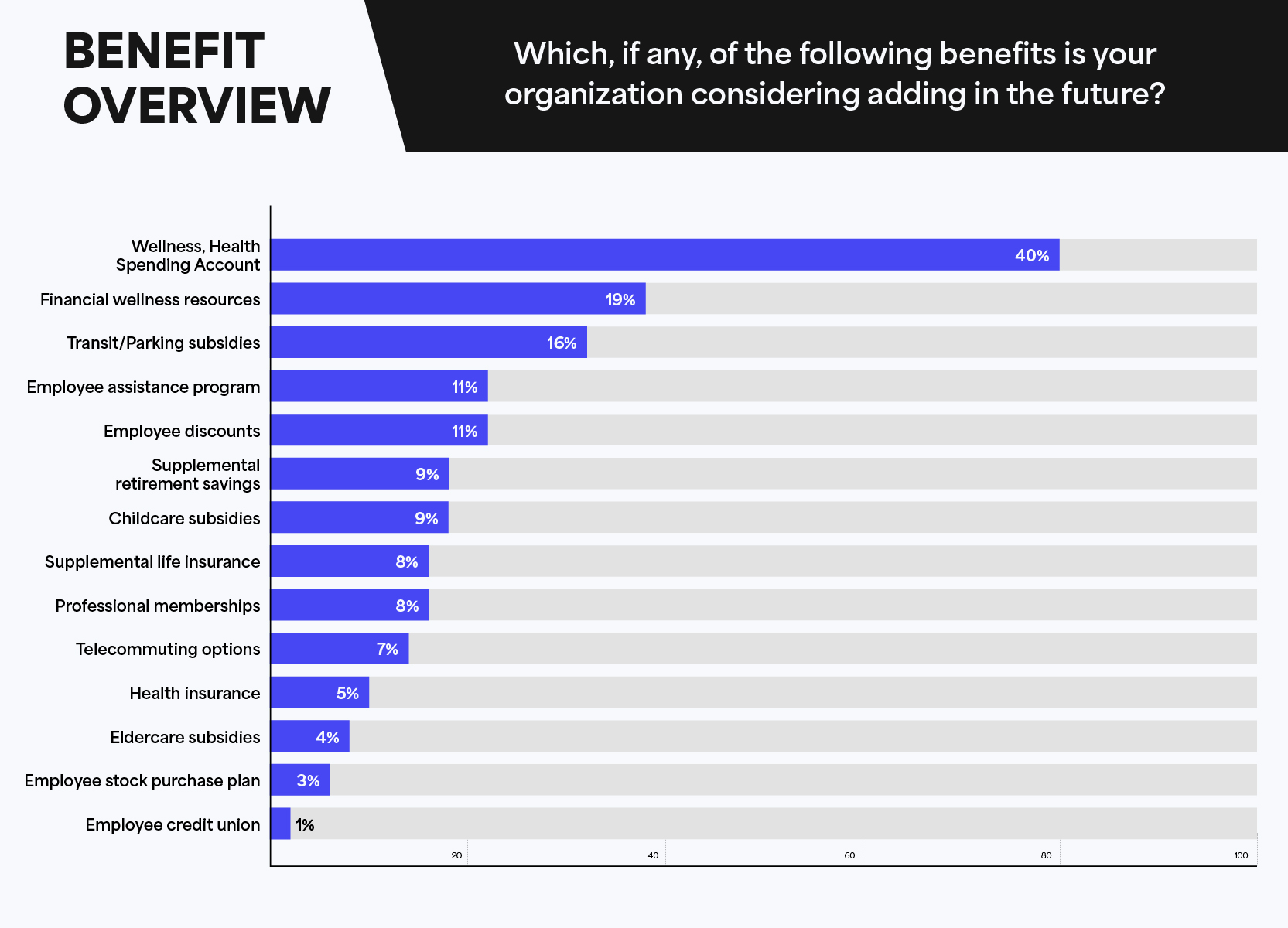
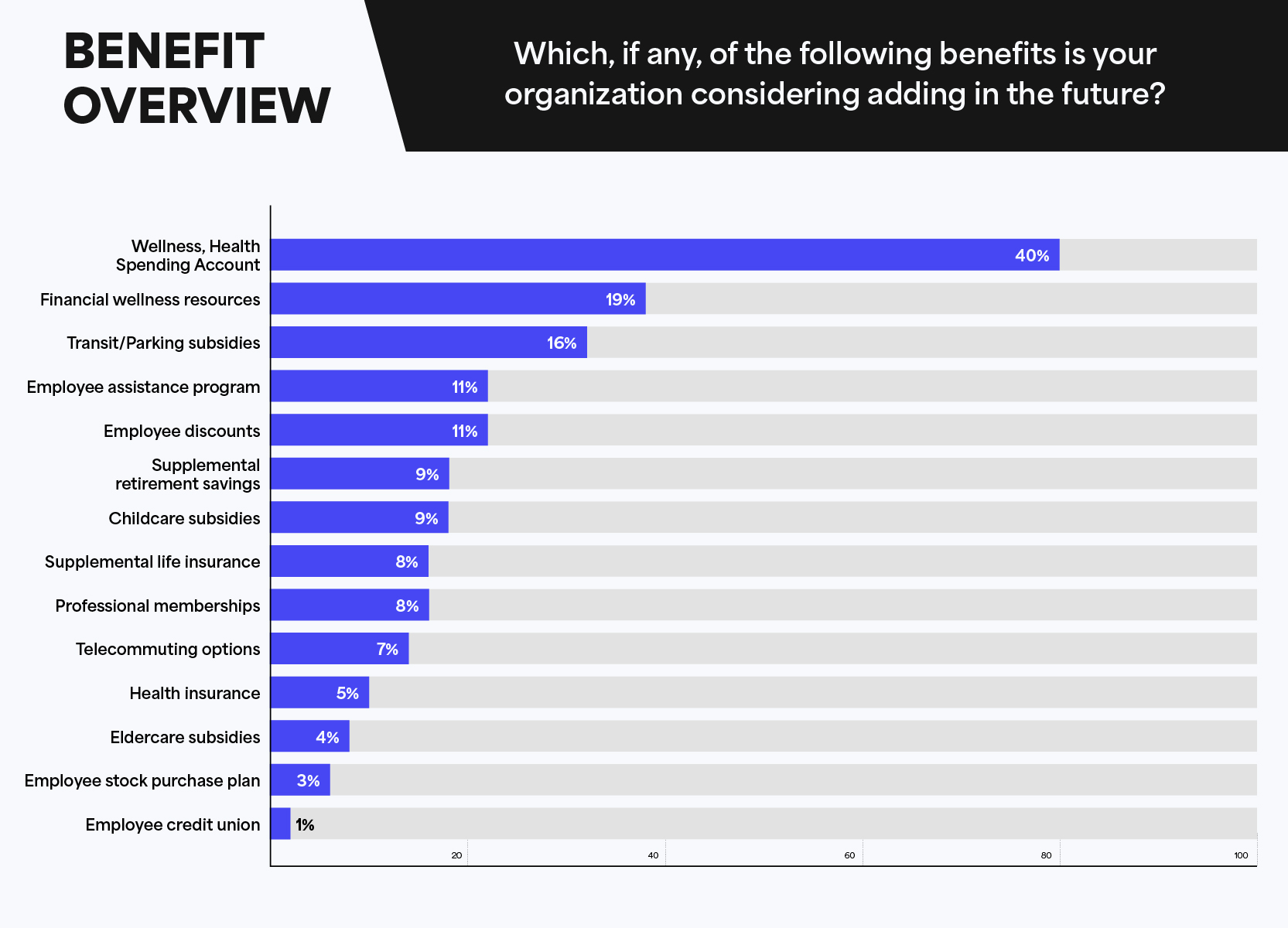
CHRR’s Benchmarking survey also highlights an emphasis on physical and mental wellbeing, revealing that 40 percent of employer respondents who do not currently offer a wellness spending account are planning on adding one. Every employer planning to offer a health and wellness spending account already offers health insurance and an EAP, suggesting that a health and wellness spending account is the next logical step in expanding employee health and wellness for these employers.
The survey also revealed that the most common offerings for future consideration were wellness spending accounts (40 percent), financial wellness resources (19 percent), and transit/parking subsidies (16 percent).
The two least likely benefits to be added were an employee credit union and an employee stock purchase plan.
Toronto kitchen and appliance retailer Canadian Appliance Source is one employer that already offers a wellness spending account for employees and now plans to add telecommuting options and transit/parking subsidies to their benefits suite. The goal of this addition is twofold. On the company’s side, it aims to retain talent and support the ESG strategy. On the employee’s side, it is about providing meaningful benefits and are part of a broader strategy to adapt to the company’s changing demographics and the evolving needs of its employees, according to Diane Mohabir, the company’s director of human resources.
“Our benefits have been company-paid for about 12 years. I’ve taken over benefit negotiations, and we’ve made changes to health and dental plans, added disability benefits, and introduced mental health resources,” Mohabir said. “Our demographic has shifted to a younger average age, bringing in fresh ideas but also different expectations; we need to keep them happy in different ways. Different generations value different things, and sometimes there’s resentment. We can’t ignore the needs of any group, so we’re blending programs and adding new benefits without taking anything away.”
The company’s benefit expansion has led to more efficient use of benefits, reducing arbitrary usage and focusing on what employees truly need, ultimately helping the company to save money.
“By offering a health spending account, for example, the employee can choose what they want to spend it on, and I think that’s so crucial. I’m not telling you have $500 for health and $500 and dental. If you need more dental, you’ve got this health spending account. If you want to spend it on a massage because you’re a physical manual labour person, you can use that as well. But I think that choice is so crucial with this new generation,” she said. “And this is actually working in our favour toward cost savings because people aren’t arbitrarily using things now; they’re now using what they see value in and what they actually need instead of feeling like they have to use everything that’s available just because it’s there.”
Employee Assistance Programs (EAPs)
When employees encounter mental health challenges and stress, their job performance can be adversely affected. Implementing an EAP can be a strategic move toward achieving better business results.
EAPs help reduce risks for employers by encouraging early intervention, enhancing employee mental health, resolving conflicts, lowering staff turnover, ensuring adherence to legal and ethical standards and even assisting employees with non-work issues like finance. By focusing on employees’ well-being, companies can foster a healthier, more productive and safer workplace, thereby minimizing potential risks and liabilities as well as being seen as having their workers’ best interests in mind.
An EAP offers timely support for various issues employees might face, including stress, anxiety, depression, substance abuse, family problems, financial difficulties, relationship challenges, and more. These programs typically provide assessments, short-term counseling, referrals, and follow-up services.
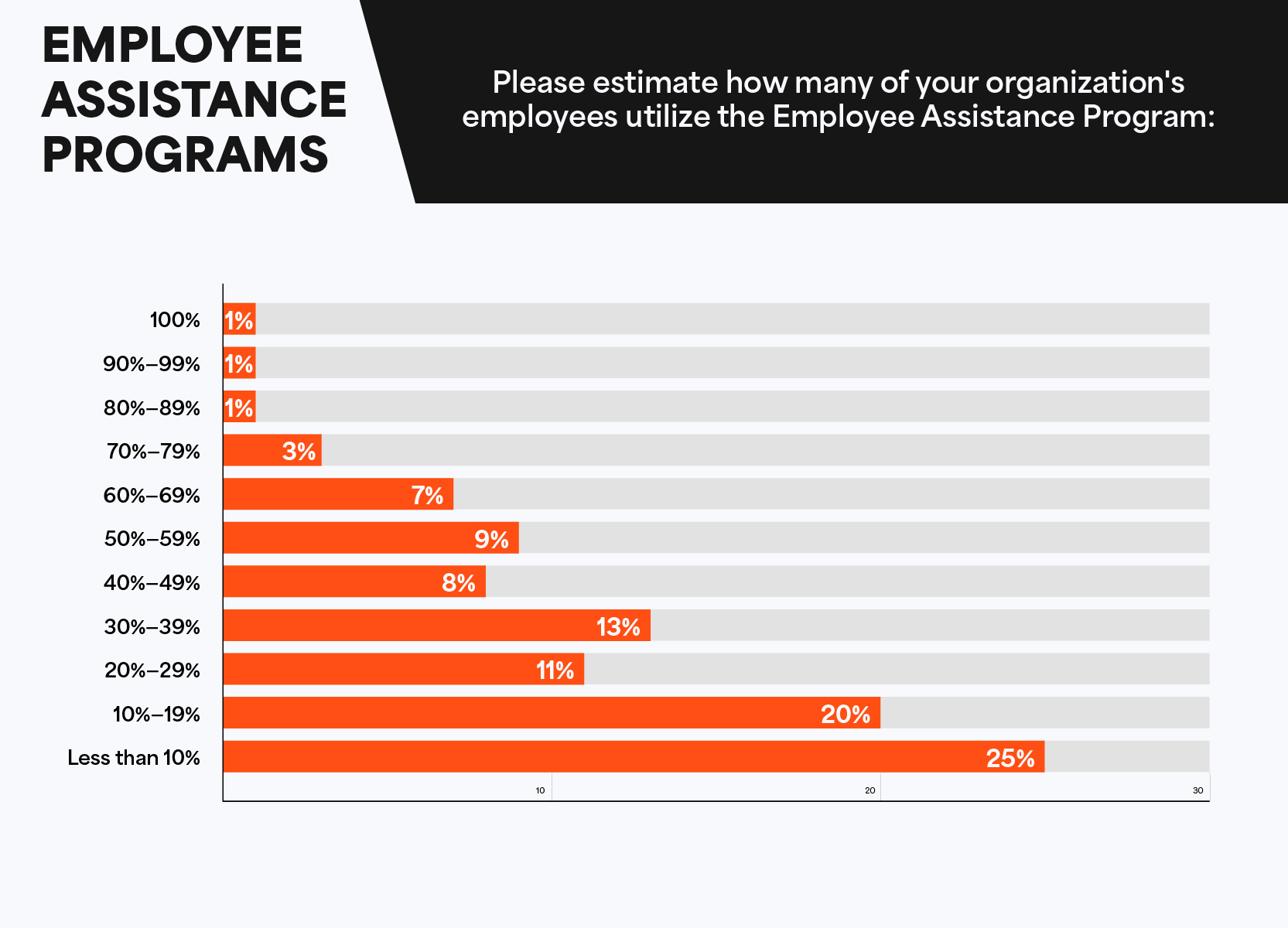
Our researchers found that almost 80 percent of companies offer EAPs, with another 11 percent considering this a popular and cost-effective benefit. Results confirm what HR professionals like Mike Holt told us; the utilization rate of these programs is relatively low, with less than 10 percent of employees using the benefit being the highest frequency statistic in that segment.
What do Canadian employers offer in their EAPs?
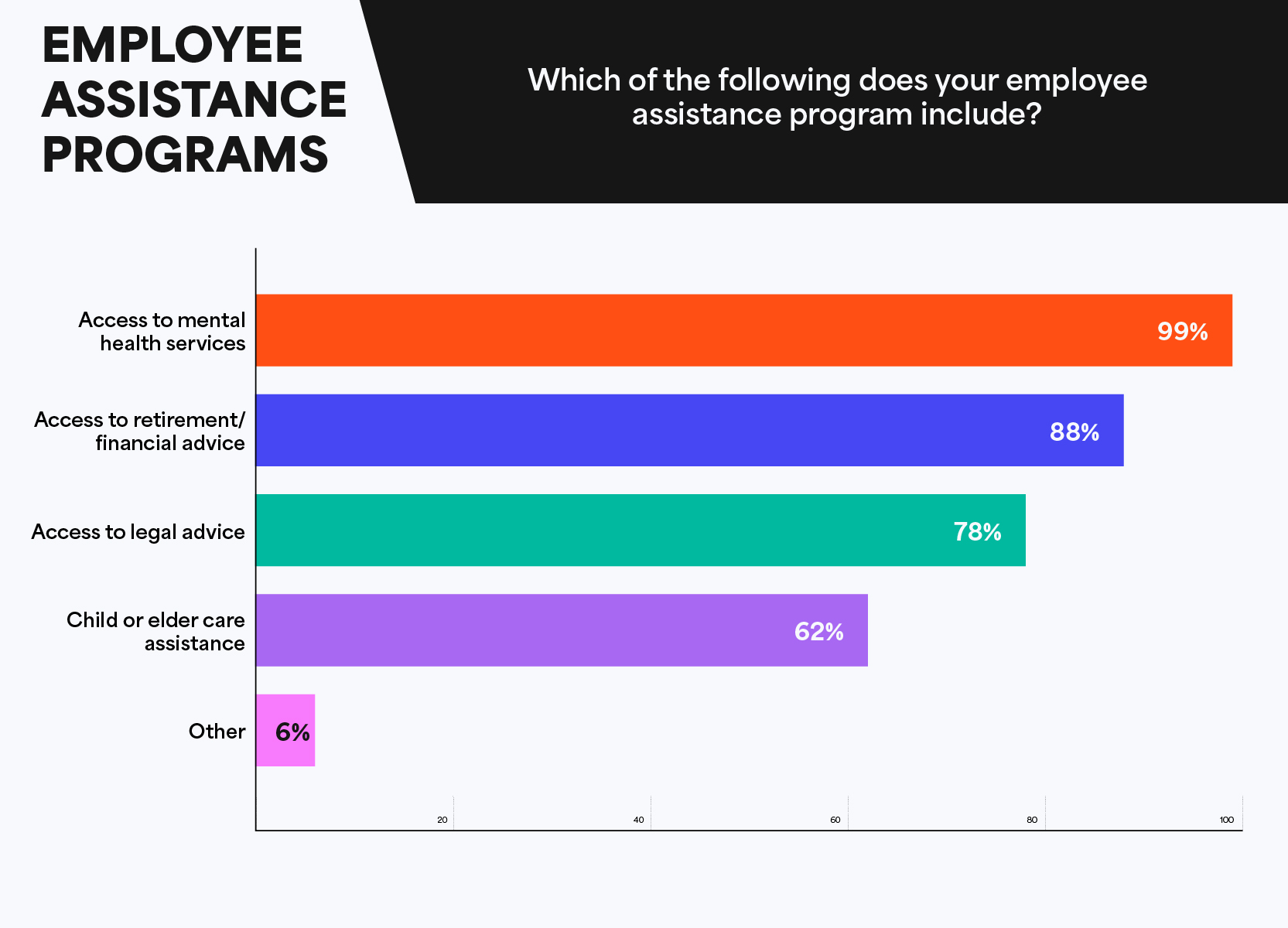
As part of our survey, we asked employers if their EAP included access to legal advice, retirement/finance, mental health assistance and child or elder care, though a few companies also offer additional benefits in their EAP such as substance abuse assessments and support, nutritional & dietary services and wellbeing support.
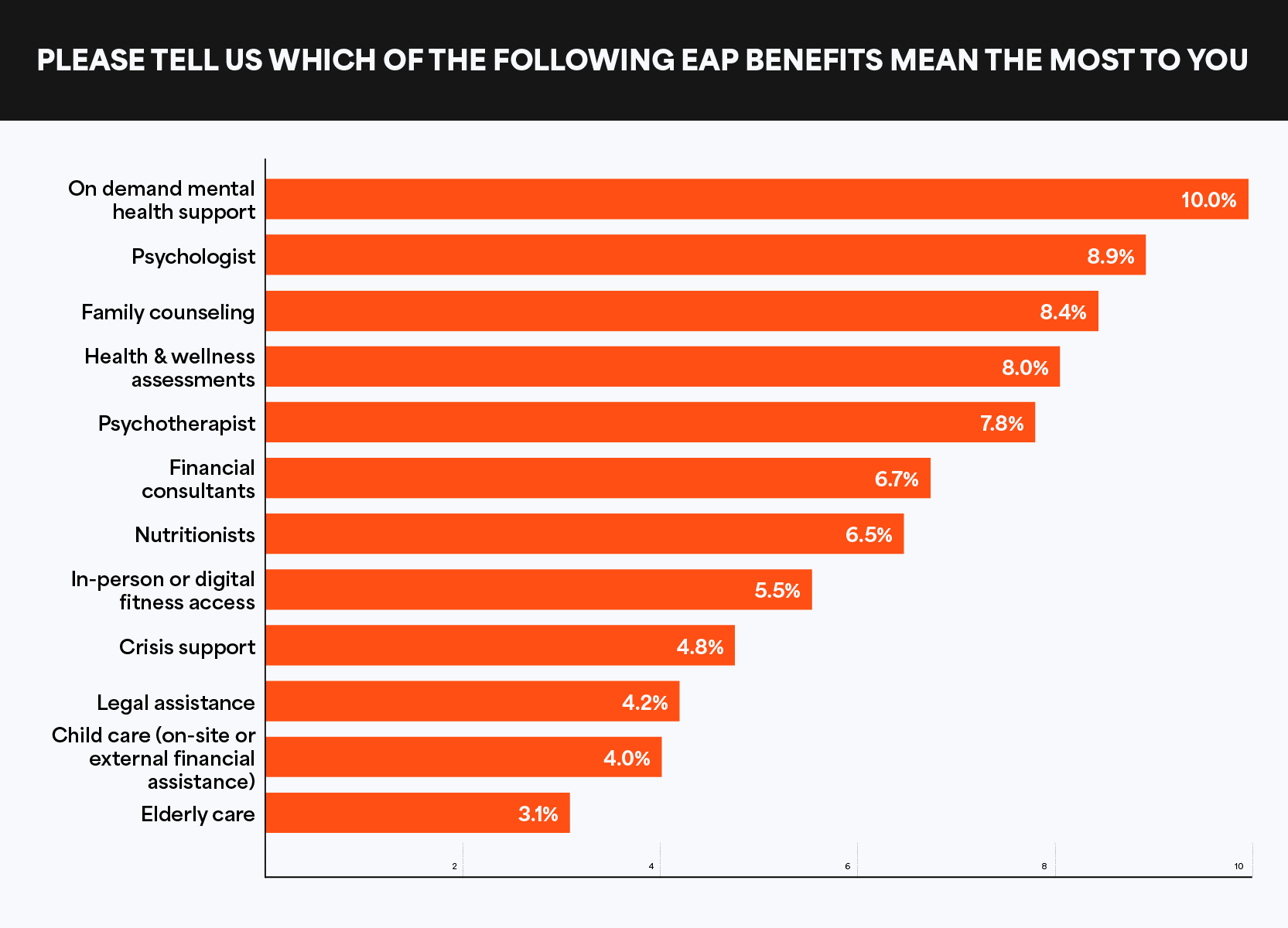
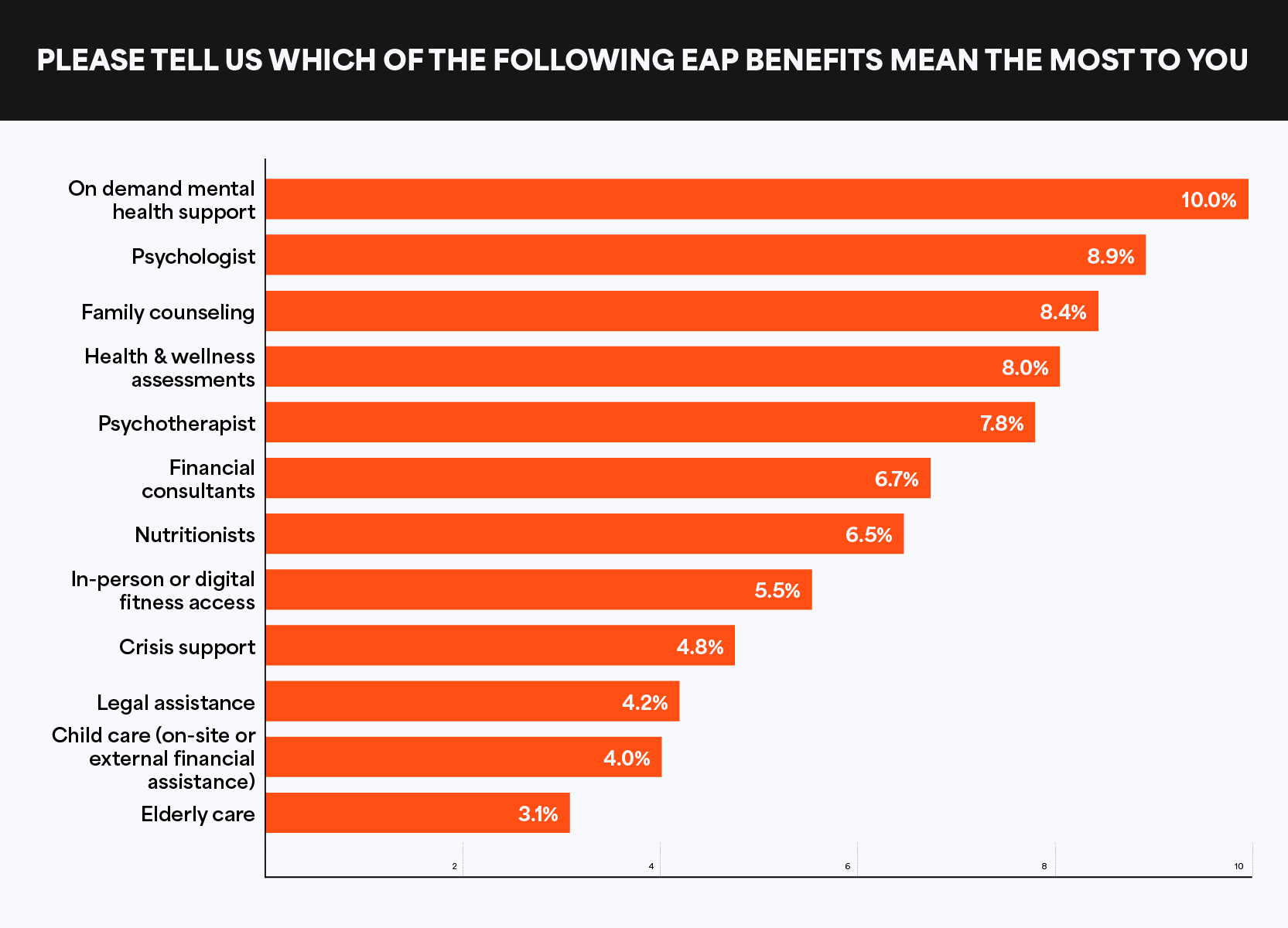
When asked which EAP benefits mean the most to employees, on-demand mental health support, access to a psychologist and family counselling came out on top, with ratings of 9.66, 8.67, and 8.42, respectively.
In comparison, the least valued EAP benefits were elderly care, childcare (on-site or external financial assistance) and legal assistance, with ratings of 3.51, 3.98, and 4.29, respectively.
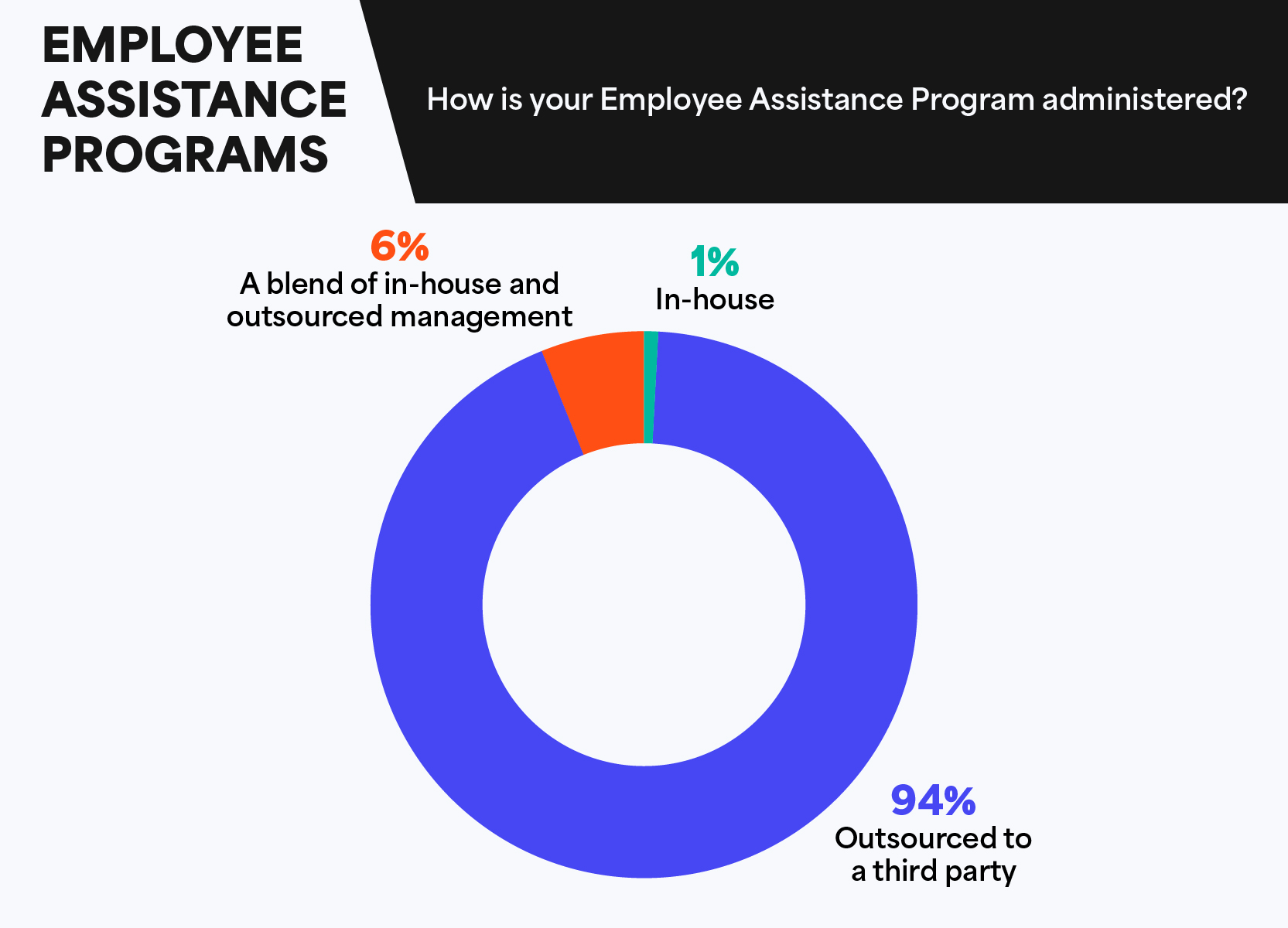
Implementing an EAP doesn’t have to be hard work; most companies surveyed (94 percent) outsource it, with only 1 percent fully administering it themselves.
Outsourcing
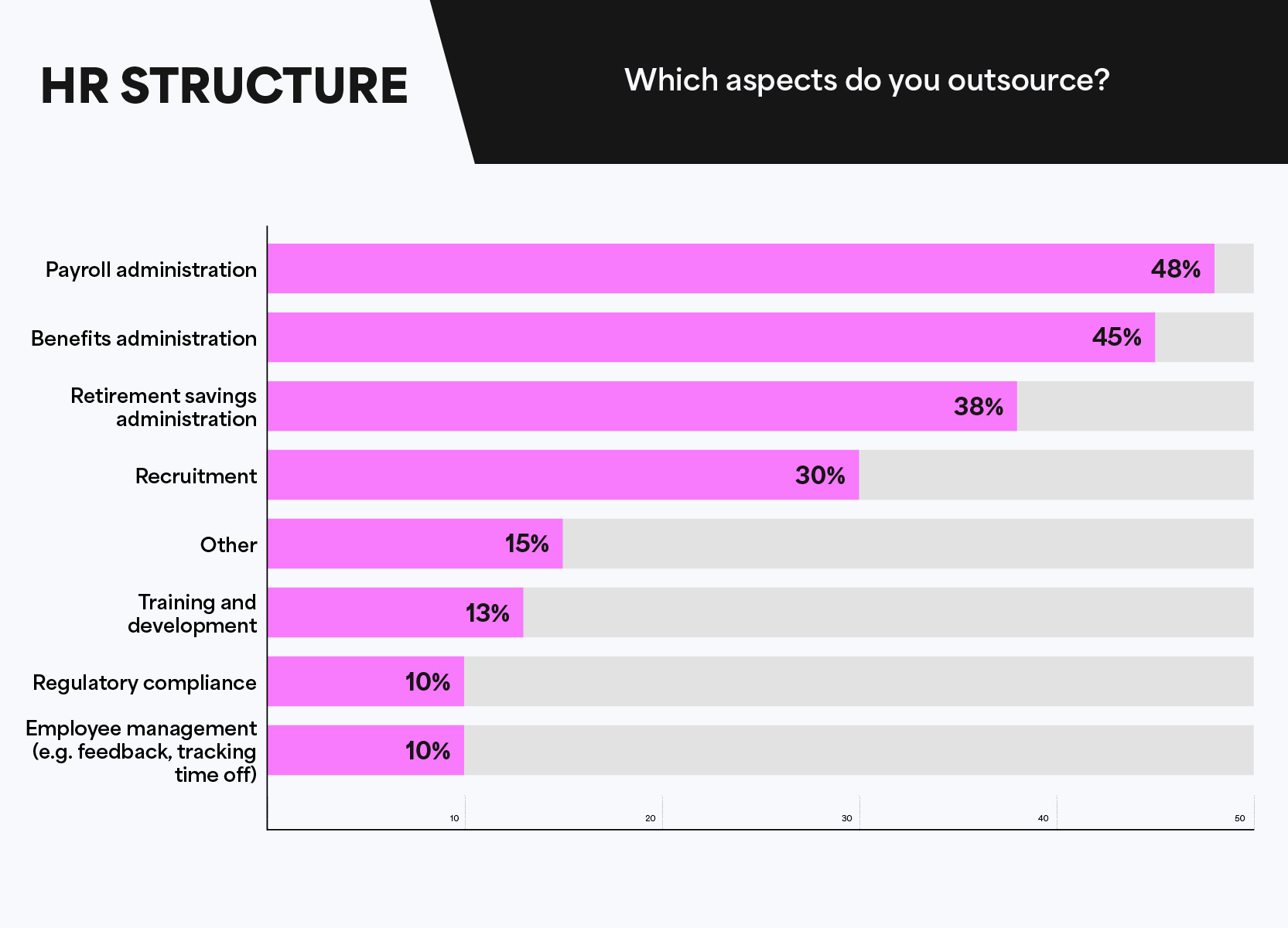
EAPs aren’t the only benefit employers outsource. While the EAP is the most outsourced benefit, according to our research, HR functions ranging from payroll administration to recruitment are being managed by external sources.
For outsourced HR administrative functions, payroll administration saw the highest outsourcing rate at 48 percent, closely followed by benefits administration at 45 percent.
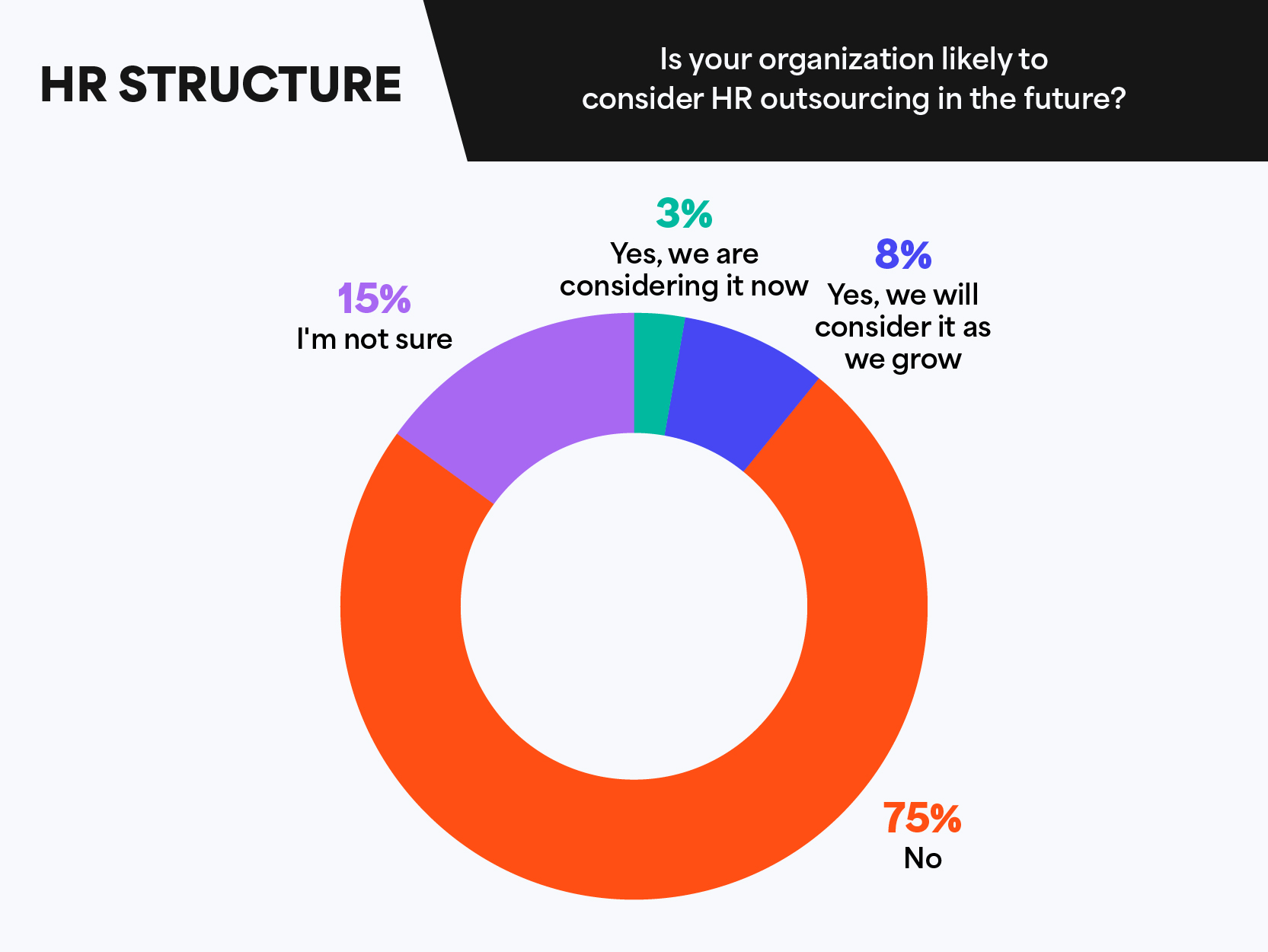
However, despite the benefits of HR outsourcing, such as cost savings and enhanced productivity, only 26 percent of our survey respondents reported working partially with a professional employment organization or other third-party, and only 4 percent said they outsourced HR functions fully.
Similarly, 75 percent of respondents said they were not considering outsourcing in the future, with only 3 percent considering it now.
Telecommuting
In pre-Covid Canada, Statistics Canada found that in May 2016, just 7 percent of Canadians worked most of their hours at home. Following the pandemic, that number peaked at 40 percent, according to the government’s Labour Force survey.
And it looks like the pendulum is swinging back, according to our data, only 9 percent of respondents currently report being fully remote, and that number looks set to decrease even further as the momentum continues to return to the office.
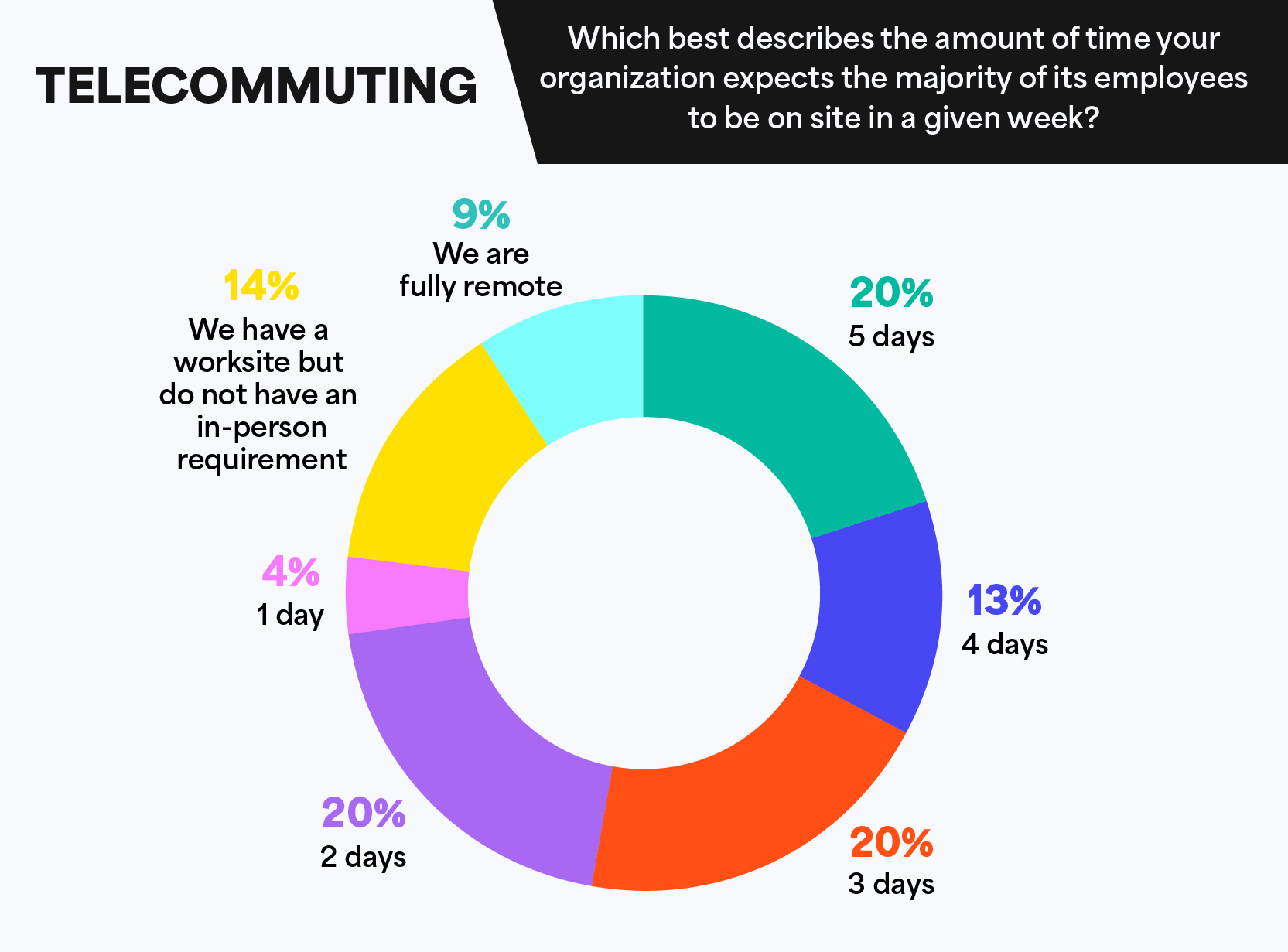
Since the waning of the pandemic, many employers have faced the decision of whether to maintain hybrid and work from home models or to enforce a return-to-office mandate for employees. Some employers have already mandated a full return to work, with 20 percent of employers reporting that they require staff to be in-person five days a week, the same percentage as employers with an in-office requirement of two days and three days. The number of Canadians working in person three days a week will have also substantially increased as of September 9, when federal workers who are eligible for a hybrid work arrangement will be required to work onsite a minimum of three days per week, according to Angus Reid’s survey of 1,751 Canadian adults from May 16 to 21.
As of January 2024, 61.5 percent of firms reported mandating a set number of in-office days per week, according to CHRR’s The Changing Landscape of Remote Work in Canada report.
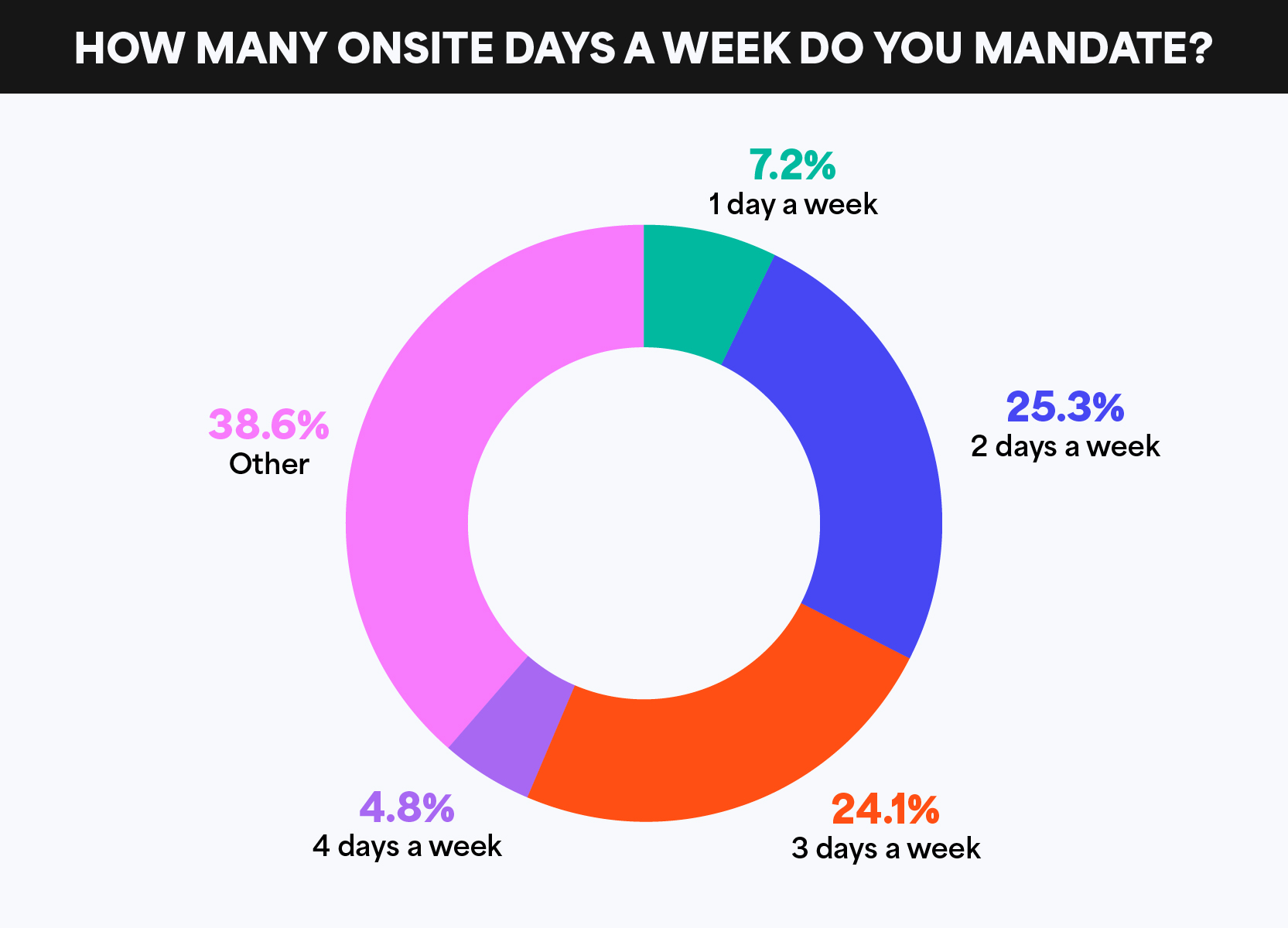
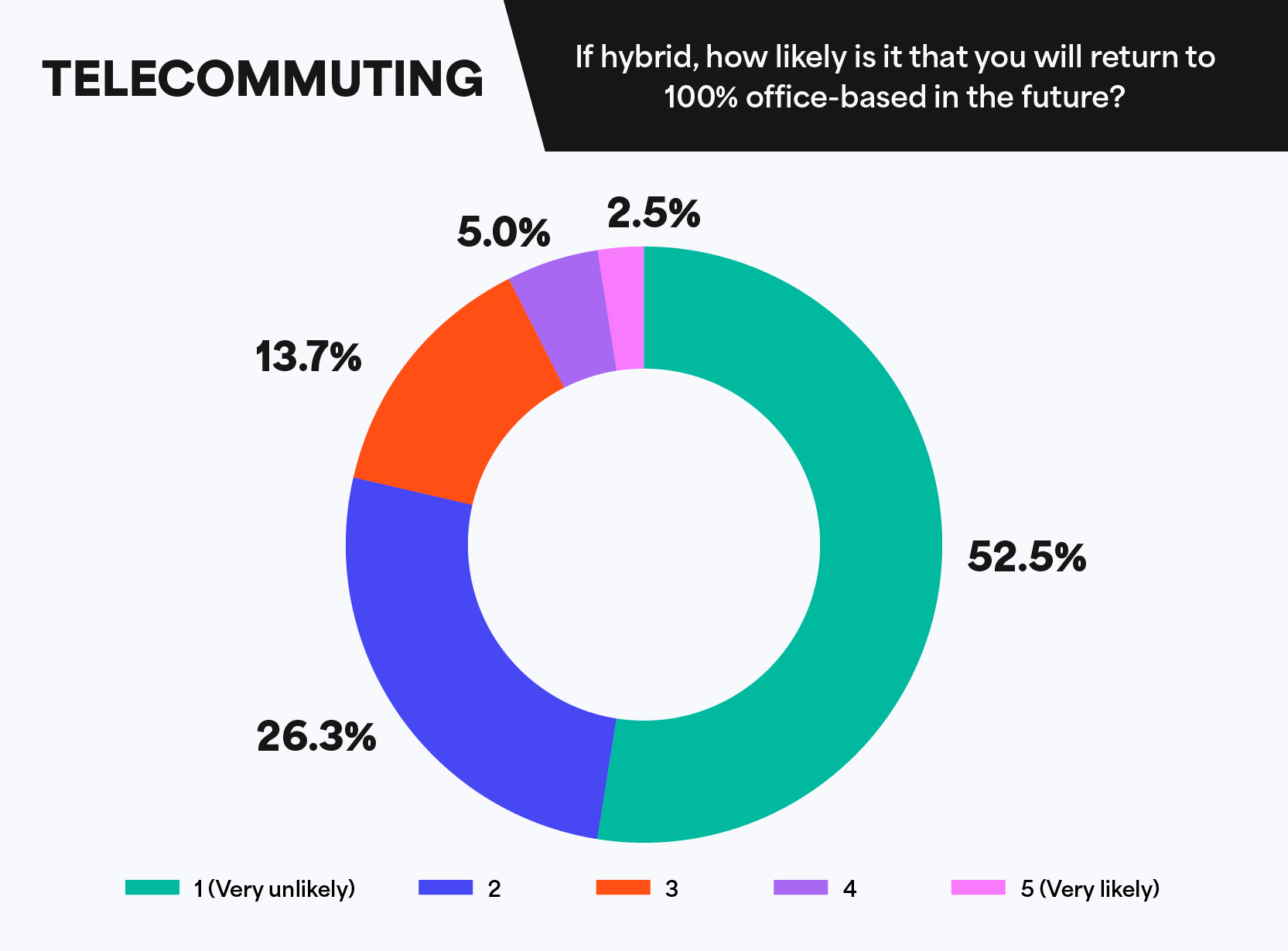
But is telecommuting here to stay? Analysis from the same CHRR report indicates that for Canadian firms, a full-time return to the office may not be on the horizon. Among respondents operating a hybrid model, 78.8 percent believe it is very unlikely or unlikely that they will ever revert to being fully office-based.
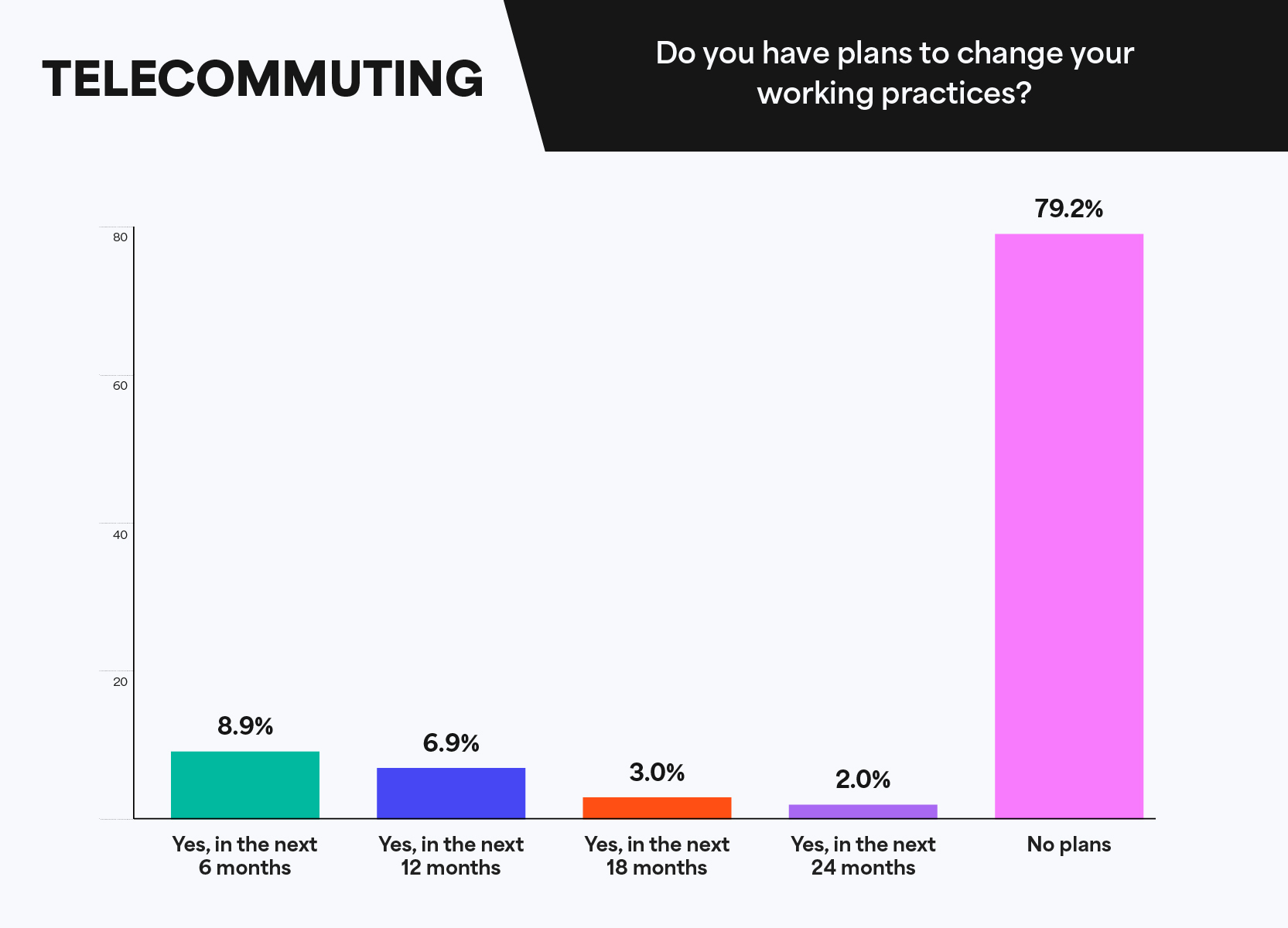
Our report also showed that not only is telecommuting here to stay, but the majority of companies appear to have found a solution that works for them with nearly 80 percent of respondents having no plans to change their current working practices
Paid Time Off
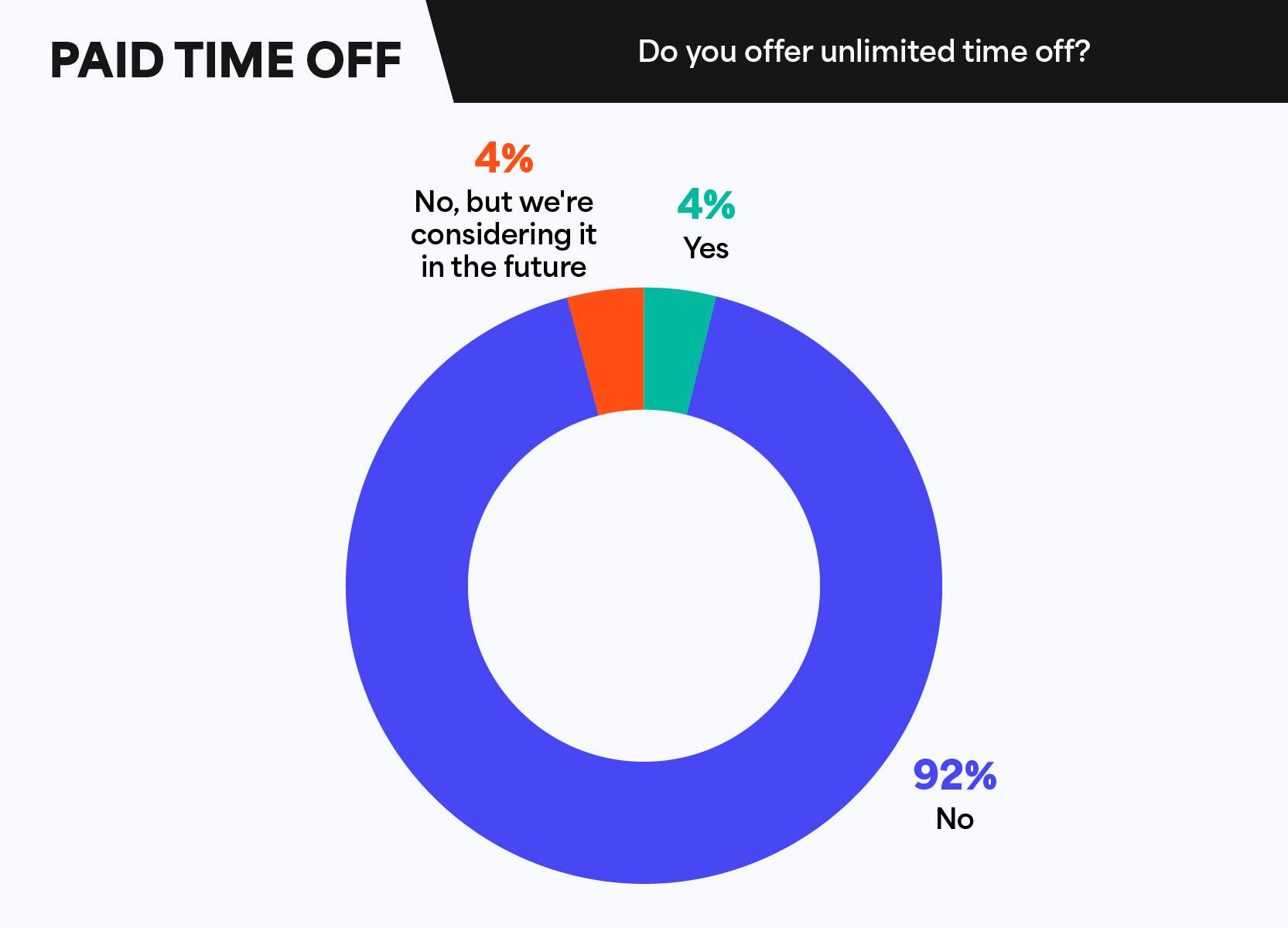
When it comes to PTO, only 4 percent of surveyed employers said they offer employees unlimited time off, with a further 4 percent planning to consider offering it in the future.
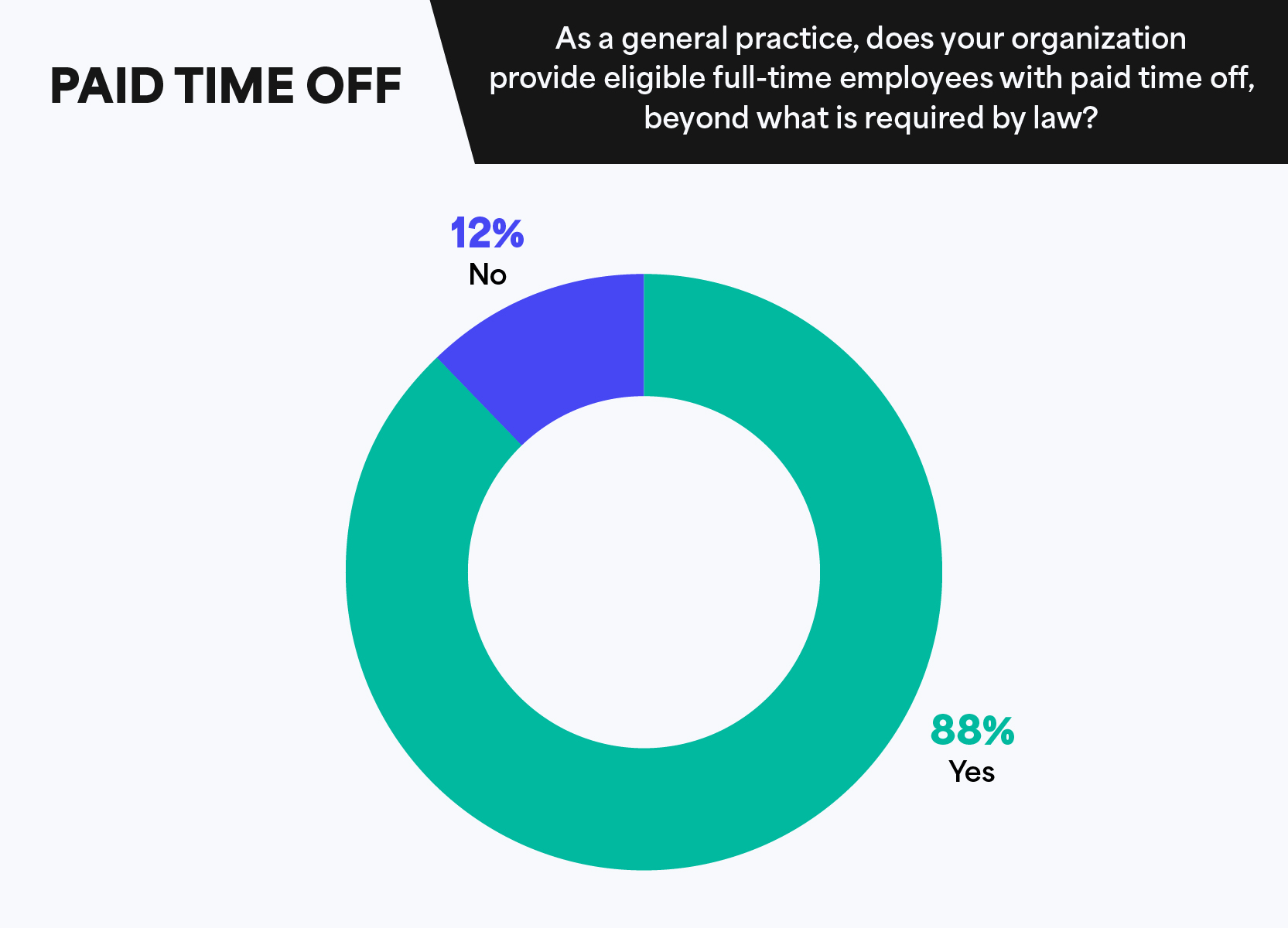
While the majority of employers don’t offer unlimited PTO, 88 percent reported offering more PTO than the law requires.
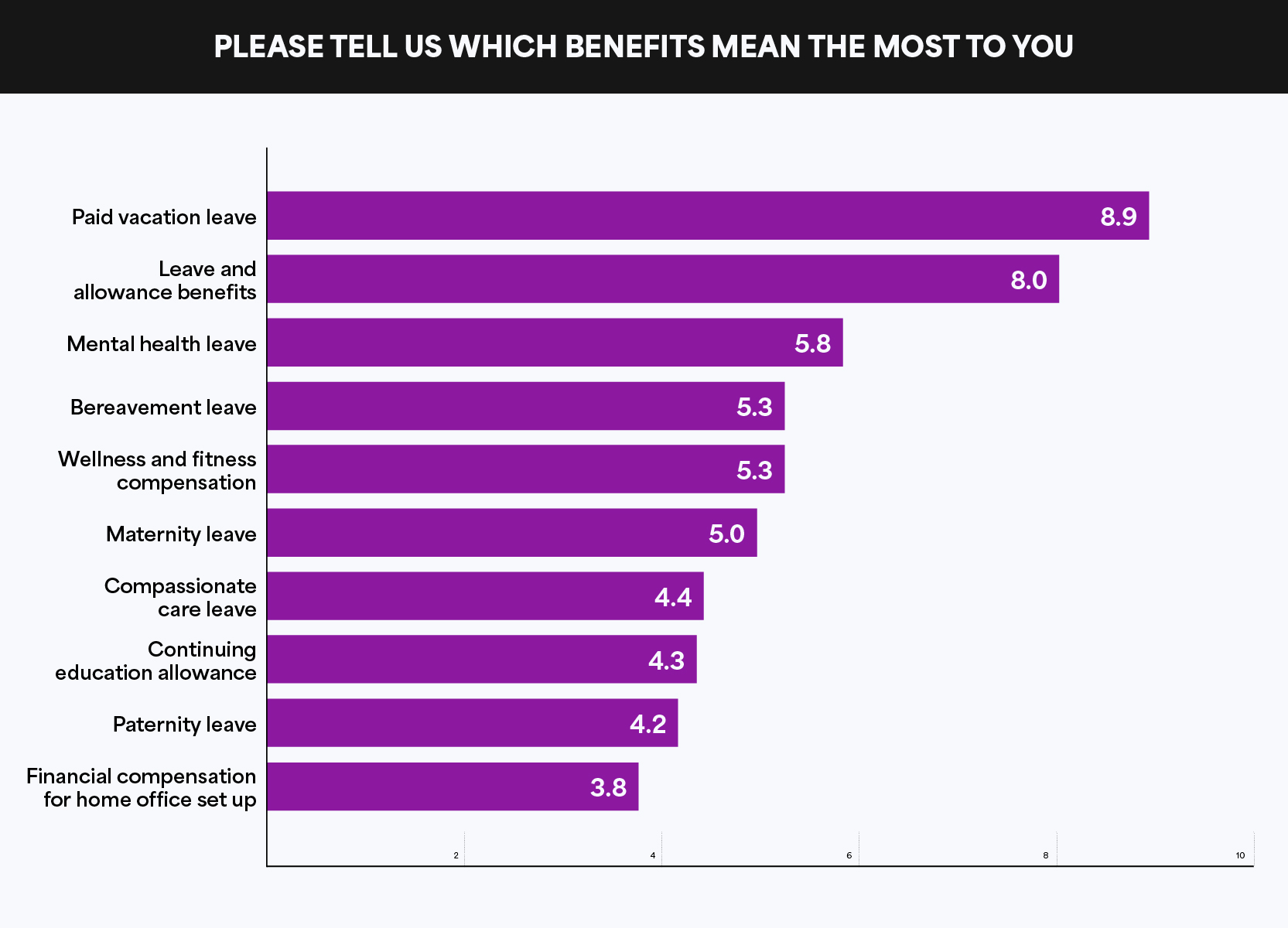
According to HRD Canada’s 5-Star Benefits 2024 survey, paid vacation leave was the most highly rated additional benefit valued by employees, with a rating of 8.94. This was closely followed by leave and allowance benefits with a rating of 8.03.
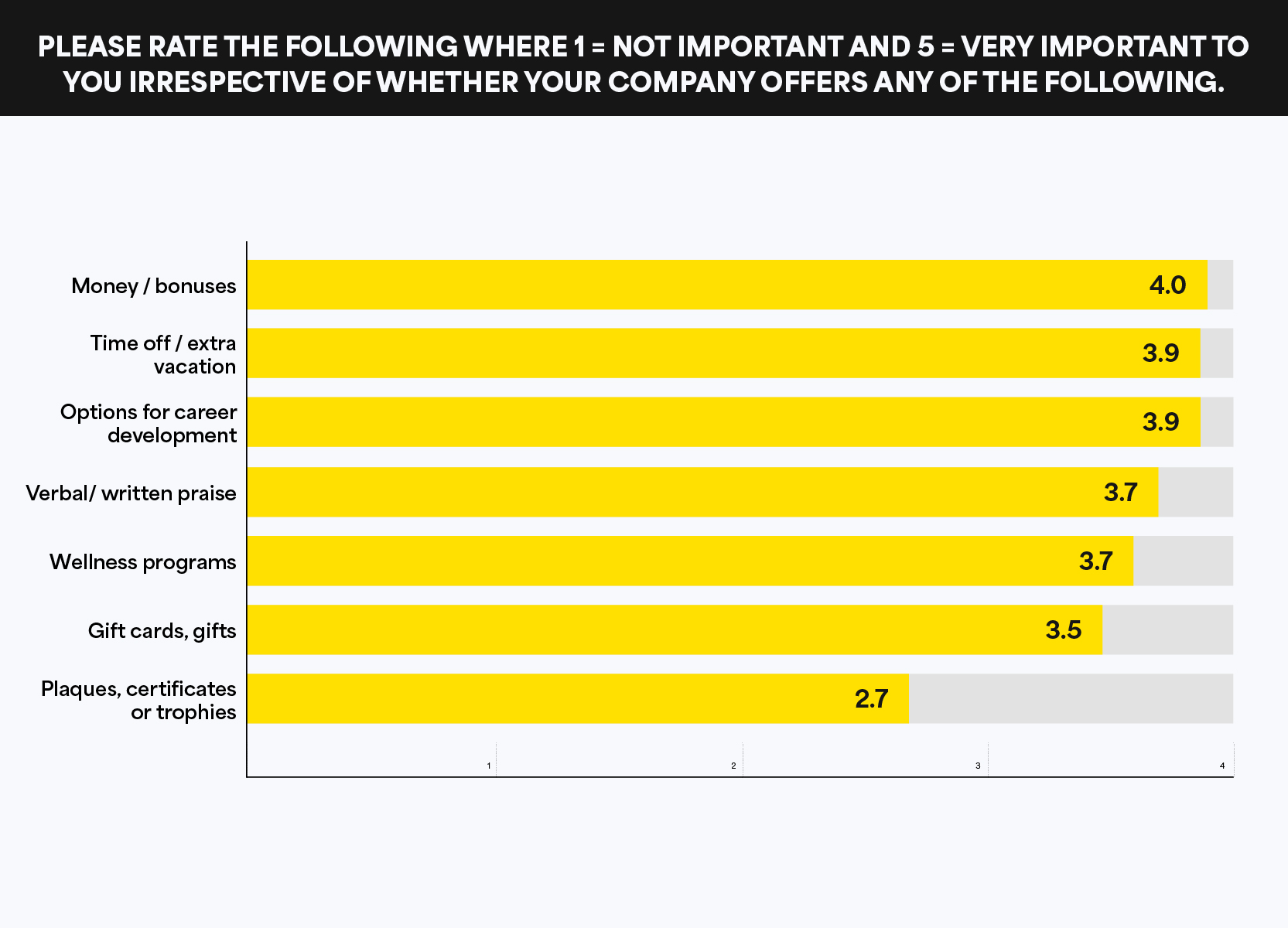
Time off or extra vacation also rated highly in CHRR’s 5-Star Rewards and Recognition survey, receiving an importance rating of 3.92, slightly behind money/bonuses with a rating of 3.95.
Retirement Benefits
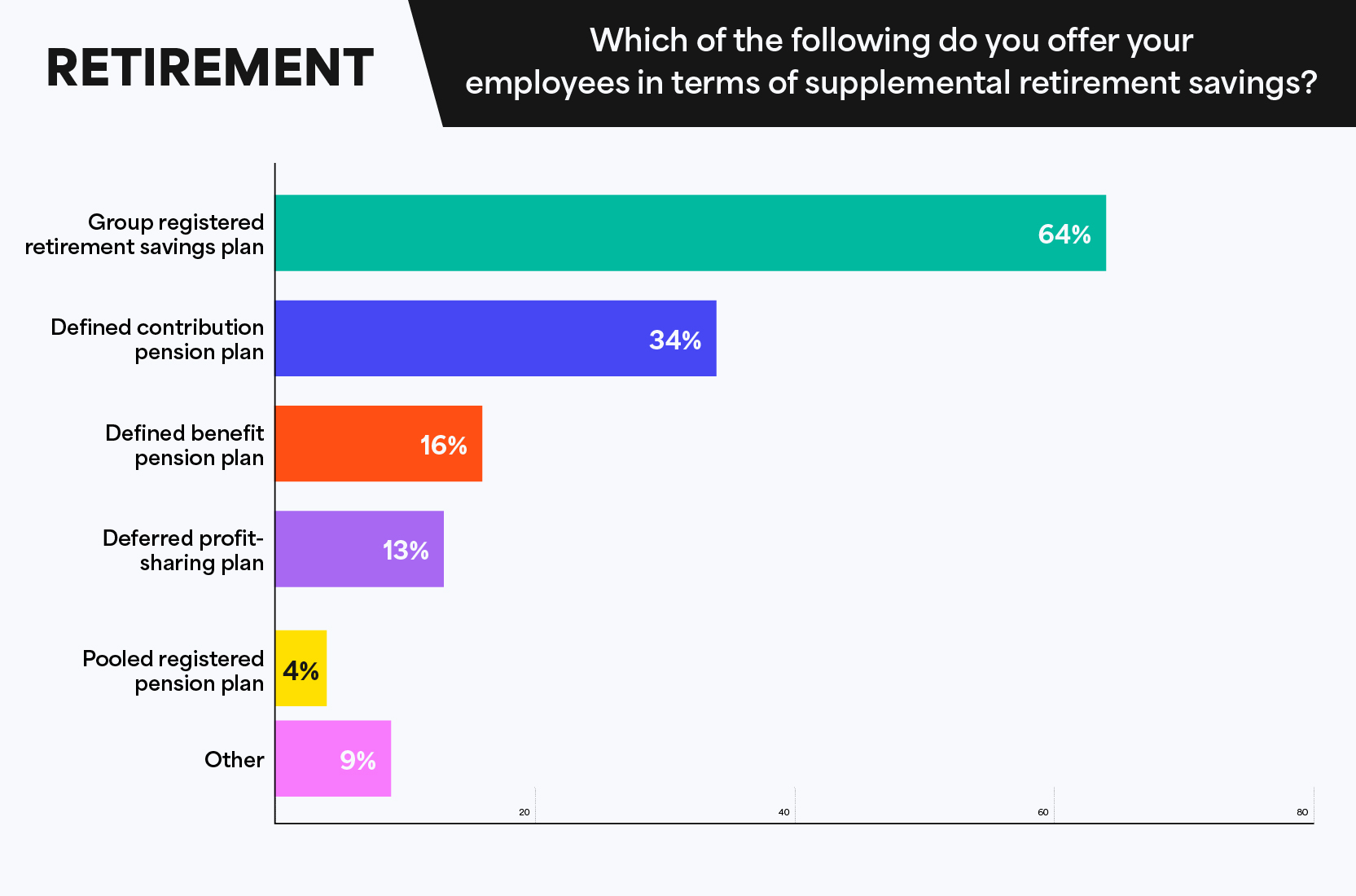
Despite the influx of younger generations emerging into the workforce, retirement benefits remain a key benefit, as evidenced by the 78 percent of survey respondents offering supplemental retirement savings for employees.
When it comes to these savings options, group registered retirement savings plans are the most common, with 64 percent of respondents offering them. This is almost double the percentage of employees offering defined contribution plans at 34 percent, marking a shift away from defined contribution and defined benefit plans.
Other benefits employers reported offering include tax-free savings accounts and RRSP matching.
Rewards and Recognition
Reward and recognition programs can be greatly influential when it comes to employee retention. Citadel Mortgages, for example, boasts an elaborate reward program in which sales and administration teams are given the opportunity to earn a paid for hotel package to one of over 72 worldwide destinations each quarter, provided they hit certain KPIs.
“Our biggest win, I would say, is our travel package incentive. It’s one thing to incentivize employees based on bonuses, but it’s another thing to create an experience for someone and their family or loved ones, and I think in today’s day and age, that experience is key to successful business growth,” said Tristan Kirk, principal broker and managing partner of Citadel Mortgages.
Citadel’s unique incentive plan helps the company maintain its high retention rate by connecting employees to both their employer and the people who are important to them, allowing them to feel truly valued by their organization, Kirk said.
“[Travel incentives are] a costly expense, but is it really that costly? When you start looking at what your turnover looks like from a cost and onboarding perspective, the certain marketing dollars you’re spending mean you’re not having to bring new people to hit your sales targets. When you start looking at it through that lens, there’s not that much of a cost difference. So, I’m a big believer that spending the time and investing into your people and making them happy and heard will pay off, and these types of avenues to get recognition as a company. Our employees are happy, our retention rates are high; it just starts with investing in your employees,” Kirk said.
When looking at which reward and recognition programs may be most valued by employees, employers may need to consider how different generations appreciate rewards differently. Eighty two percent of employees aged 18–25 rated each of the following categories – money/bonuses, options for career development and time off/extra vacation – as being “very important,” which was the highest rating for this age group. Meanwhile, 27 percent rated plaques, certificates, and trophies as “not important.”
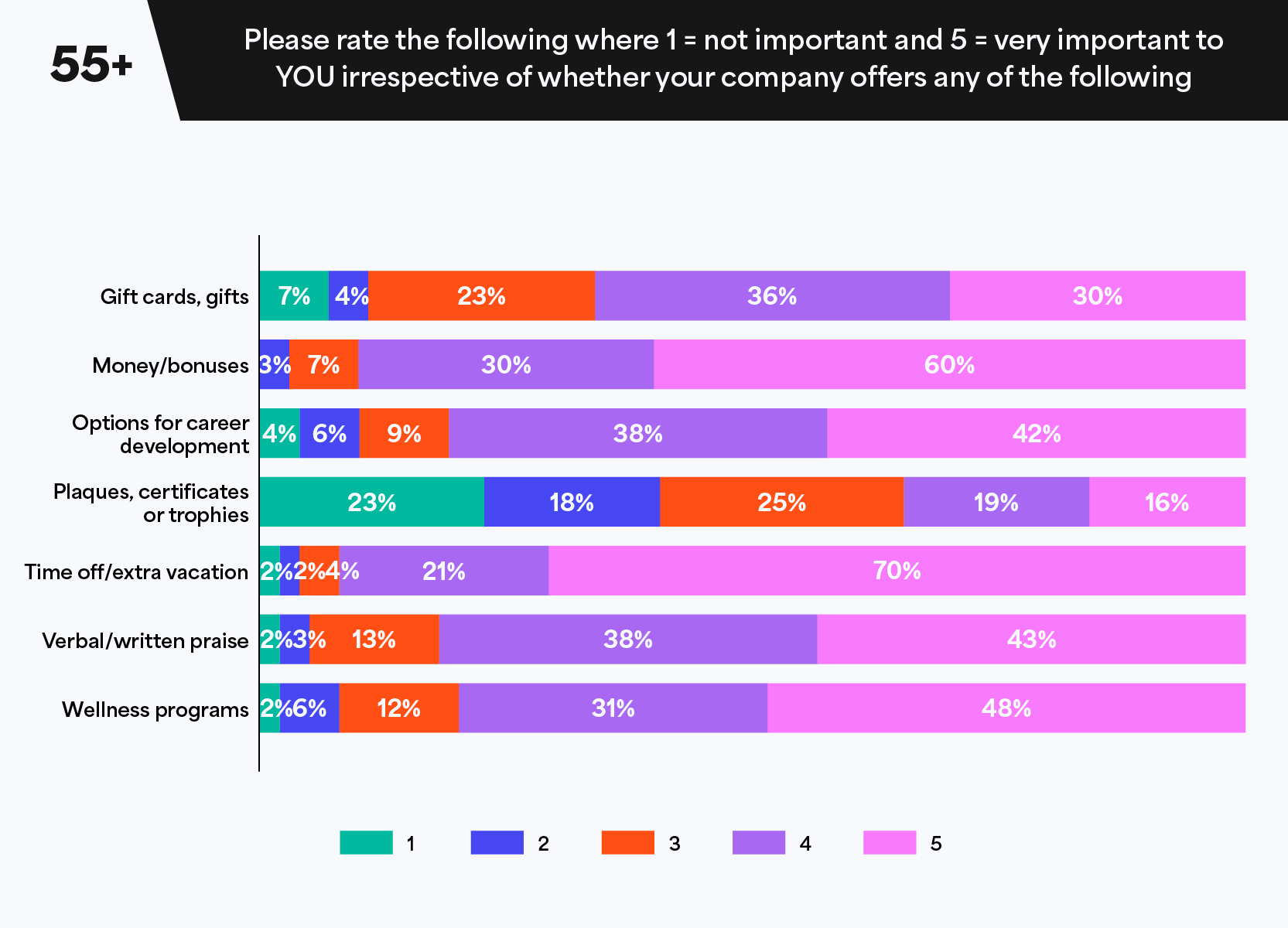
Across all generations, plaques, certificates, and trophies were consistently rated as “not important,” while money/bonuses ranked consistently as most important for all generations except those aged 55 and over, 70 percent of whom rated time off/extra vacation as “very important.” The percentage of employees, however, who rated money/bonuses as “very important” decreased as employees got older, decreasing from 82 percent (18–25), to 80 percent (26–40), to 73 percent (41–55), to 60 percent (55+).
Rewards and recognition is one of the 10 best employee retention programs for keeping top talent. Read more here.
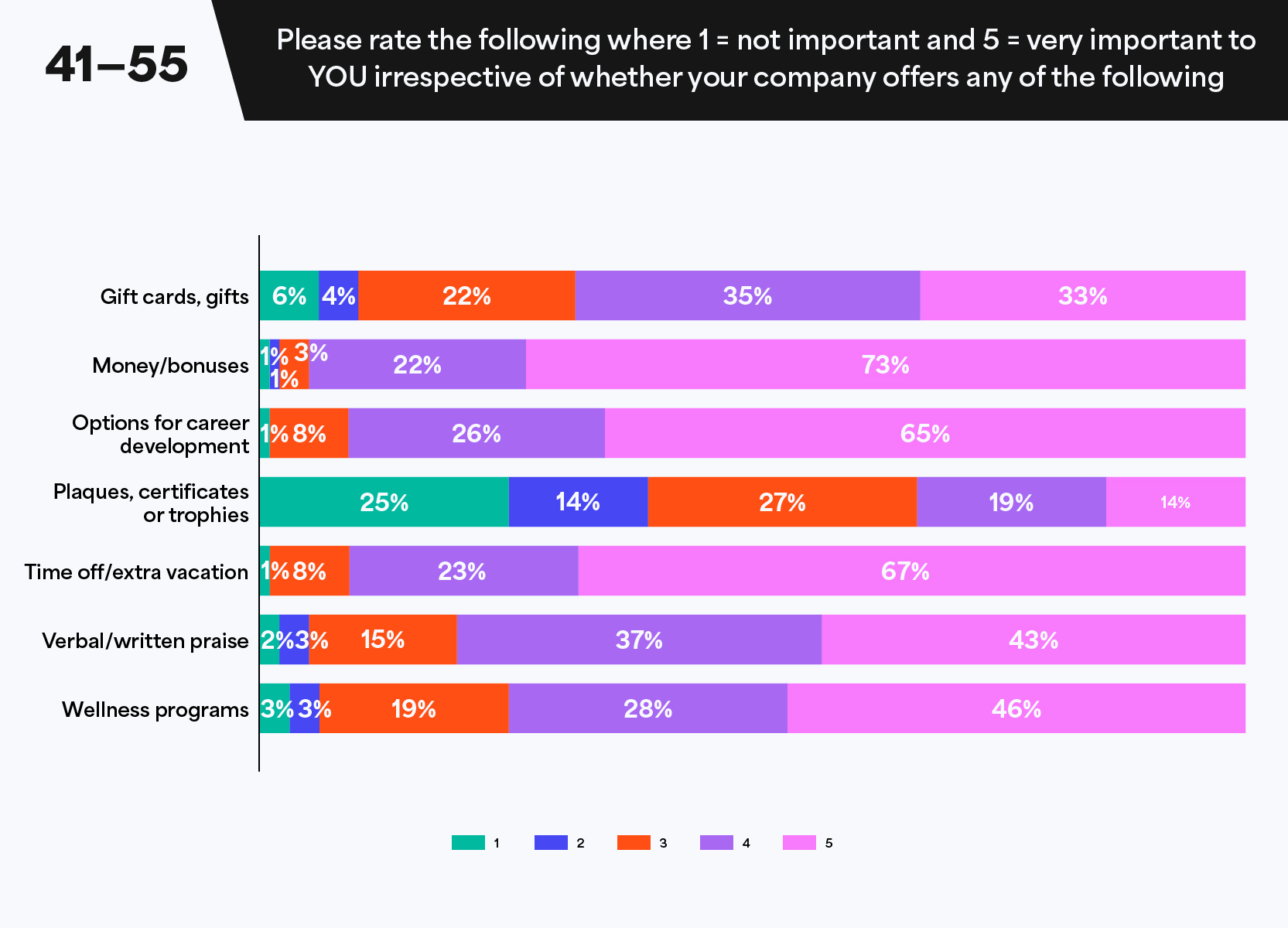
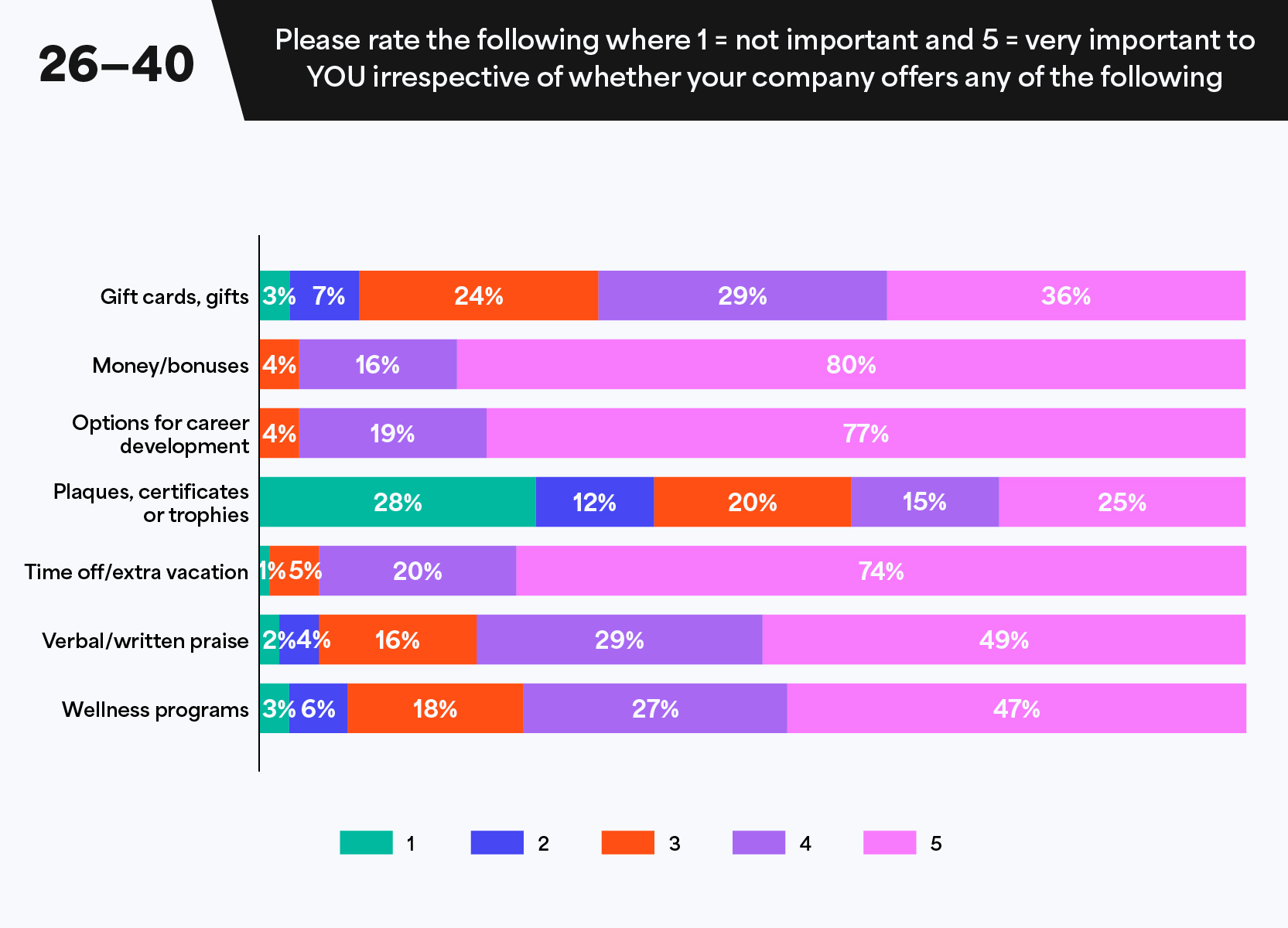
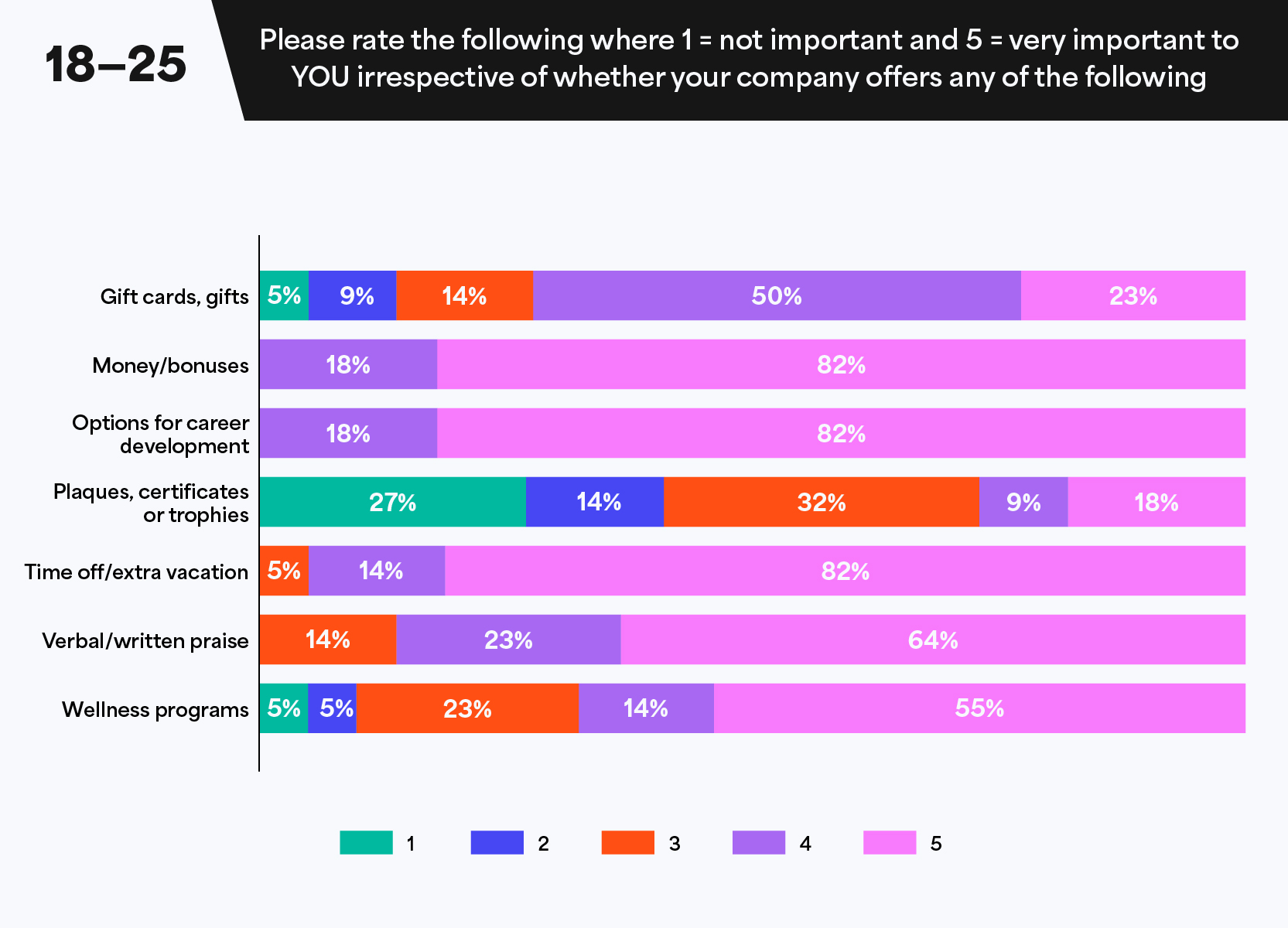
While money/bonuses had the highest importance ratings, they also had significantly lower ratings satisfaction ratings, with only 24 percent of 18–25-year-olds rating their company’s bonus program as “exceptional.” These trends were also evident across other age groups, with only 36 percent of 26–40-year-olds, 39 percent of 41–55-year-olds, and 40 percent of those over 55 rating their bonus programs as “exceptional.” This suggests that existing company bonus policies may not live up to the importance placed on them by employees. Wellness programs, however, consistently had the highest “exceptional” rating across all generations.
Meanwhile, employees in the 55+ age group reported the highest likeliness (“very likely”) to stay with an employer based on their rewards and recognition programs at 70 percent, followed by those aged 41–55 at 64 percent, 18–25 at 59 percent, and 26–40 at 52 percent.
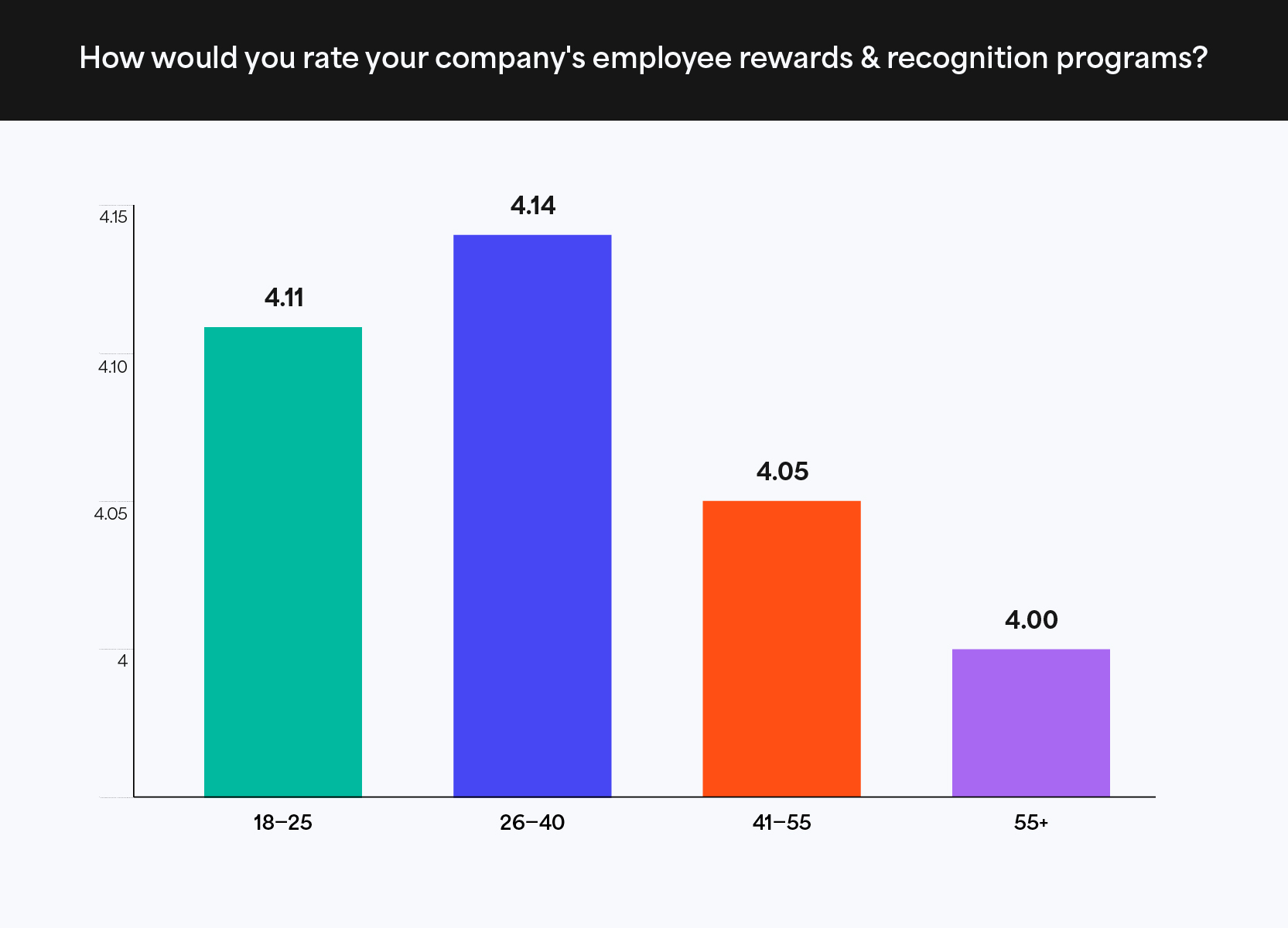
With regards to overall satisfaction rates, the 26–40 age group reported the highest satisfaction rating with 4.14, followed closely by the 18–25 age group at 4.11. The age groups 41–55 and 55+ showed slightly lower overall average satisfaction ratings of 4.05 and 4.00, respectively.
“When it comes to retention, reward and recognition is very crucial because employees really want to be recognized for the work they’ve done. This helps create a positive work environment and job satisfaction, and boosts employee morale. So, by regularly recognizing employees, we are able to motivate them to perform at higher levels and be more engaged,” said Marnie Perez, human resources manager at Kryton International, a CHRR 5-Star Reward and Recognition 2024 winner.
“Ultimately, employees who feel that they’re supported, and recognize their hard work is not going unnoticed, are more motivated to stay on. Typically, when I do my HR check-ins and employee surveys, this is the reason they stay with the company,” Perez said.
Action plan for employee retention
With the rewards and recognition programs employees value the most being misaligned with the rewards and recognition programs they feel their companies are administering exceptionally, it is essential for employers to survey employees often to identify areas for improvement.
This goes hand in hand with ensuring that the benefit needs of employees are met. Post-pandemic, the needs of the workforce have changed, with greater importance being placed on flexible work options, mental health, and well-being.
Ensuring that employee values are aligned with employer offerings allows employers to feel heard, ultimately improving satisfaction rates and driving turnover rates down.
“I think the biggest thing is asking for feedback from your employees, and not just asking for it in an email or survey,” Kirk said. “As a company, you must be very open to feedback, and you have to be okay with the good, the bad, and the ugly. This data and those conversations shape what your recognition package looks like, and to be consistent at this level, you have to be open to that feedback and be willing to see what that feedback does for you.”
With multiple generations in the workforce, evaluating employee needs and wants is essential for retention. Having multiple opportunities for career development may be important to younger generations who have their whole career ahead of them. However, if your workforce is mostly older generations, they may value other opportunities like extra vacation days. Being aware of the generational composition of your workforce and ensuring there are benefits and opportunities for all employees is essential.


