
Recognition scheme done without union consultation
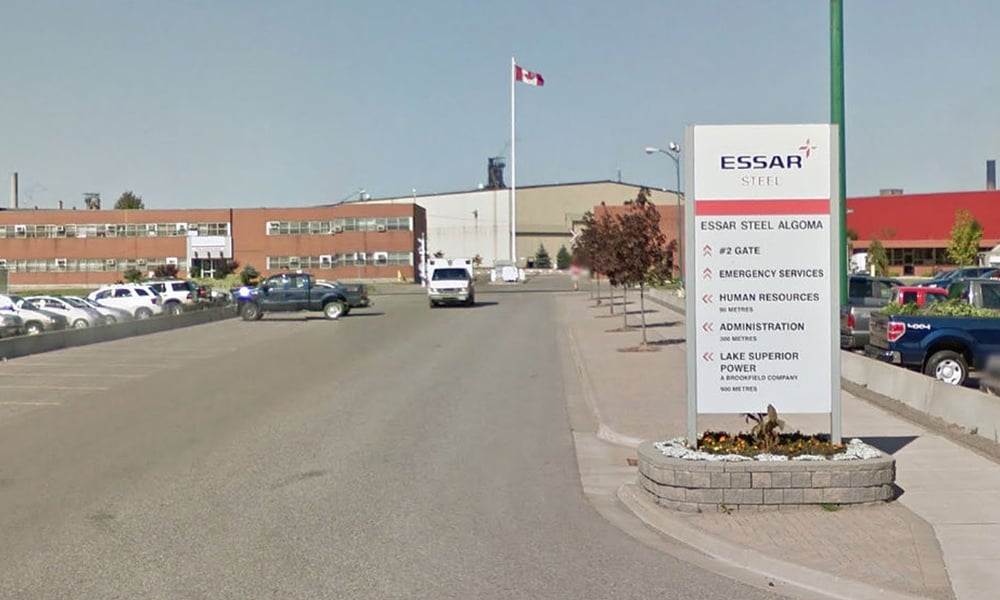
An Ontario company’s recognition and rewards program breached its union’s bargaining rights and the collective agreement, an arbitrator has ruled.
Algoma Steel is a steel manufacturing company in Sault Ste. Marie, Ont. On Jan. 23, 2018, Algoma introduced a points-based reward and recognition program for employees called “Tapping In” that was intended to foster a culture of thanks for employees and teams who performed well and supported corporate values. The program used a third-party information technology platform with various forms of recognition and rewards.
The most common type of award involved points called “Steelies” that employees could receive from their direct supervisors. Each supervisor had a budget of Steelies based on the number of direct reports they had and could award points at their discretion.
Steelies weren’t redeemable for cash but could be exchanged for merchandise on an online platform, including prepaid credit cards. The points didn’t expire but could only be redeemed by someone who was an Algoma employee. Awards obtained by redeeming points were reported as taxable benefits.
Before long, the program began to be abused, as some people traded or sold the points to other employees. Algoma didn’t monitor the system for suspect redemptions and the system didn’t flag discriminatory behaviour.
The union filed a grievance related to the Tapping In program, claiming Algoma’s unilateral implementation of it was a breach of the company’s obligation to recognize the union as the sole bargaining agent for employees and a breach of its profit-sharing obligation under the collective agreement.
The union argued that its collective bargaining emphasized equality among all Algoma employees. The collective agreement standardized hourly wage scales and classifications, along with cost-of-living adjustments and other non-wage aspects of compensation such as credits for workers who didn’t need safety boots that were equivalent to the safety boot allowance. Introducing the Tapping In program and the awarding of Steelies at supervisors’ discretion “undermined the equality principle in the collective agreement and resulted in some members receiving greater compensation than others for doing the same work,” said the union.
The union also argued that the cost of the program detracted from the pool available for distribution to its members through the profit-sharing plan, as the collective agreement set out a formula based on the annual income from Algoma’s Sault Ste. Marie operations. The union said the program’s cost should be excluded from the calculation of net income.
The arbitrator noted that the collective agreement’s general article stated that Algoma and the union were committed to “a mutually respectful, consultative and participative relationship,” but the unilateral introduction of the Tapping In program “might understandably appear from the union perspective to have added insult to injury.”
However, the arbitrator also noted that the collective agreement didn’t expressly forbid the introduction of a recognition and rewards program and it allowed Algoma the right to manage employees as it saw fit unless specifically outlined in the agreement. This included “an unfettered discretion to make decisions, including bad decisions” that could affect total revenue, regardless of the profit-sharing arrangement.
With that in mind, the arbitrator found that the Steelies were a form of compensation beyond what was provided for in the collective agreement, particularly since rewards were taxable benefits.
Ultimately, the arbitrator determined that Algoma breached its obligation to consult or negotiate the introduction of the program with the union, as well as the compensation provisions of the collective agreement.
The arbitrator declared that Algoma’s Tapping In program breached the union’s representation rights and ordered the company to end the program, cancel any outstanding Steelies that hadn’t been redeemed, and negotiate with the union to determine a monetary remedy — the arbitrator suggested adjusting the profit-sharing pool by adding the total value of Steelie redemptions, then reducing individual entitlements by any redemptions they had made.
Reference: Algoma Steel and USW, Local 2251 (19-0431). Paul Craven — arbitrator. Jennifer Hodgins for employer. March 23, 2020. 2020 CarswellOnt 4265


