
Importance of warning allowed employer to eliminate work
The cancellation of a casual employee’s shifts until she could attend a meeting to discuss her misconduct wasn’t punitive, according to an arbitrator.
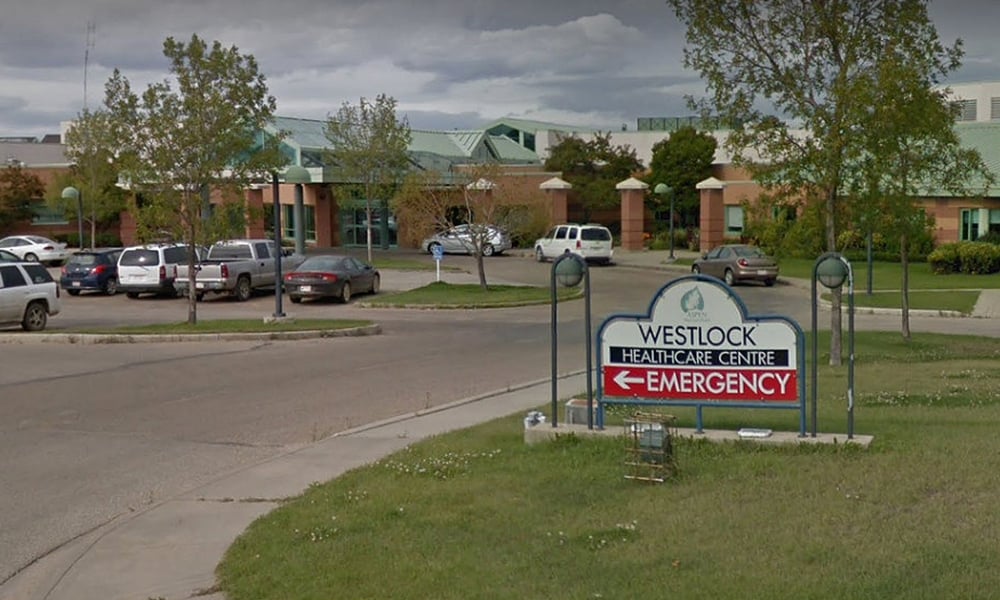
Kellie Forbes was a registered nurse for Alberta Health Services (AHS) at the Westlock Healthcare Centre in Westlock, Alta. As a casual employee, Forbes usually worked nights.
On May 24, 2018, Forbes was involved in an incident which prompted AHS to investigate and determine that Forbes should be disciplined.
AHS emailed Forbes on June 6 asking her to attend an “outcome meeting” on June 8 at 2 p.m., at which AHS intended to give her a letter of warning. Forbes’ supervisor reminded her at the end of her shift the next morning, but Forbes said she was scheduled to work the night shift on June 7, so she wouldn’t be able to attend any meetings during that day.
Forbes worked four more night shifts and AHS sent her an email on June 11 advising her that the outcome meeting had been rescheduled to June 14 at 2:30 p.m. She would be paid for three hours for attending the meeting and Medi-Tech training immediately afterwards.
However, Forbes said she had two appointments that afternoon and couldn’t attend. She suggested four other dates during the period of June 28 to July 6 when she was available in the afternoon.
On June 13, AHS cancelled six shifts Forbes was scheduled to work from June 15 to July 1 —which had been scheduled several weeks in advance — and informed her that the meeting was now set for June 15 at 2 p.m., adding that she would not be scheduled for any further shifts until she attended a meeting to discuss the outcome of the investigation. Forbes replied that she wasn’t available for a three-hour appointment on June 15 and offered to come on any of the afternoons from July 2 to July 5.
The next day, AHS told Forbes she was to report for Medi-Tech training at noon on July 5 with the outcome meeting to follow. However, shortly thereafter AHS changed the meeting to July 4 at 2 p.m.
Forbes attended the July 4 meeting and AHS gave her a letter of warning that stipulated her conduct on May 24 was unacceptable and she should comply with the AHS code of conduct at all times.
The following week, the union filed a grievance alleging that AHS acted unreasonably when it cancelled the six shifts before the outcome meeting, arguing it constituted a six-day disciplinary suspension without just cause that violated the collective agreement’s requirement for AHS “to exercise its management rights in a manner which is professional, fair and reasonable” and for discipline to only be imposed for just cause.
The arbitrator noted that although the loss of the shifts had “a significant effect” on Forbes, the purpose in cancelling them was not to punish or discipline her. AHS didn’t make any indication that the cancelling was meant to be disciplinary or that it would impact Forbes’ career, the arbitrator said.
The arbitrator noted that casual employees were able to decline to work shifts and that flexibility was part of the benefit of casual employment for both the employee and the employer. It was apparent AHS understood this, as it never asked the reason Forbes declined the first few scheduled meetings.
The arbitrator found that the purpose of the outcome meeting was to inform Forbes that her conduct on May 24 was improper and she was expected to correct it. Because of the importance of this message, AHS didn’t want Forbes to work until it was able to give it to her. It would be similar if an employer cancelled a casual employee’s scheduled shifts until she attended a necessary safety briefing or obtained a necessary licence renewal, said the arbitrator in dismissing the grievance.
Reference: UNA and Alberta Health Services. W.D. McFetridge — arbitrator. Michael DeRosenroll for employer. Brady Holroyd for employee. March 25, 2020. 2020 CarswellAlta 591


