
Arbitrator reduces suspensions citing lack of intent to harm
Two hotel housekeeping staff deserved suspensions for a physical altercation, but 30 days was too severe given the nature of the tussle and the financial difficulty they experienced from the suspensions.
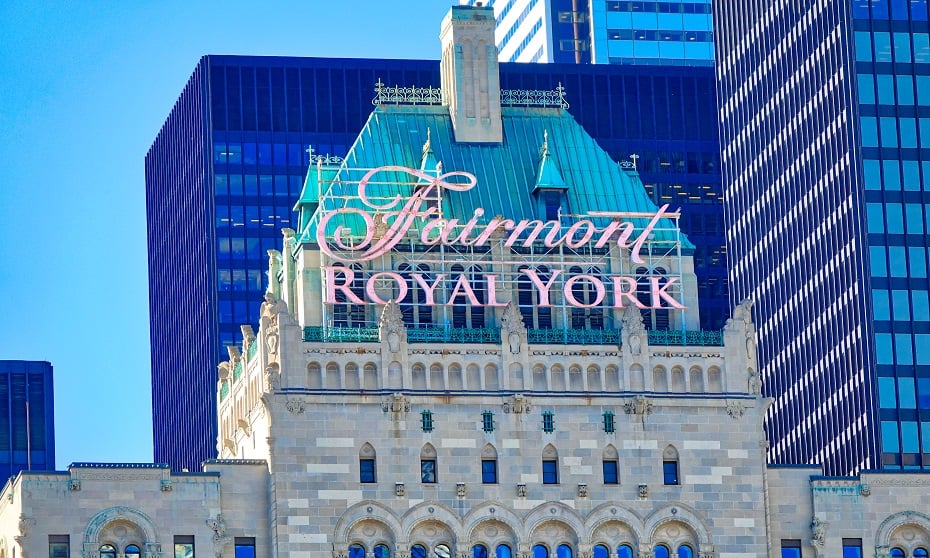
Gee Manalastas and Marcil Stoll were housekeeping assistants at the Fairmont Royal York, a luxury hotel in Toronto. They cleaned guest rooms and public areas of the hotel, working mostly unsupervised. Neither had any discipline on their record.
The Royal York had a code of ethics — stating that employees were “responsible for ensuring a safe work environment that is free from discrimination and harassment” — and a violence and harassment policy that prohibited “the exercise of physical force” against employees that could cause injury.
On April 20, 2018, Manalastas and Stoll were cleaning guest rooms. Manalastas tracked down the floor manager and told her Stoll had hit her on the shoulder. Manalastas showed the floor manager her shoulder but the manager didn’t see any injury.
The floor manager told Manalastas to see security and reported the incident to the assistant director of housekeeping. The assistant director then spoke with Stoll, who said Manalastas had provoked her by calling her name and tapping her on the shoulder. Stoll said she responded by hitting Manalastas on the shoulder and Manalastas hit her back.
The assistant director of housekeeping met with Manalastas, who said she had called Stoll’s name to say hello and touched her on the shoulder. Stoll responded by hitting her hard on her own shoulder, so she hit Stoll back because she was shocked and upset — demonstrating it as a push with the palm of her hand.
The Royal York investigated the matter, interviewing both women and a third housekeeping assistant who witnessed the incident. There was no evidence any guest witnessed the altercation or complained about it.
The hotel suspended the two women for 30 days without pay for violence in the workplace. Stoll missed 22 shifts and had difficulty paying her bills, while Manalastas missed 25 shifts and had to borrow money to pay her rent.
Stoll maintained that she had not hit or pushed Manalastas and only tapped her in response to the latter’s tap on her shoulder. Manalastas said she had misspoken to security — because English wasn’t her first language — when she told security she had hit Stoll back and instead it was just an attempt to block Stoll from hitting her again.
The arbitrator noted inconsistencies with Manalastas’ version of events, particularly between her initial report to security that she retaliated by hitting Stoll again and her later claim it was just a block, as well as the fact she spoke English regularly. Stoll’s account also wasn’t credible, as her insistence that they only tapped each other when the other accounts said otherwise was likely an attempt to minimize culpability.
The arbitrator found that there was a physical altercation involving “tit-for-tat” slapping that wasn’t intended to cause injury. However, though Stoll was entitled to dislike Manalastas touching her, the reaction by hitting her wasn’t appropriate and Manalastas’ reaction by hitting Stoll back wasn’t either.
The arbitrator also found that such an instance of workplace violence was deserving of discipline, but it wasn’t premeditated and neither worker intended to cause serious harm.
Though the Royal York was concerned about guests seeing such an altercation, there was no evidence any did.
The arbitrator also considered the financial hardship the suspension put on both employees, as Manalastas was unable to pay her rent and Stoll was unable to pay all her bills.
The arbitrator ordered the suspension reduced to 20 days, noting that had either worker shown “true remorse and an understanding of their role in the altercation,” their suspensions may have been reduced further.
Reference: Unite Here! Local 75 and The Fairmont Royal York Hotel. Jesse Nyman — arbitrator. Trevor Lawson and Victor Kim for employer. Tyler Boggs, Michael Mandarino, Michael Thorburn for employees. Feb. 18, 2020. 2020 CanLii 11579


