
Multiple reasons justified for wastewater worker firing
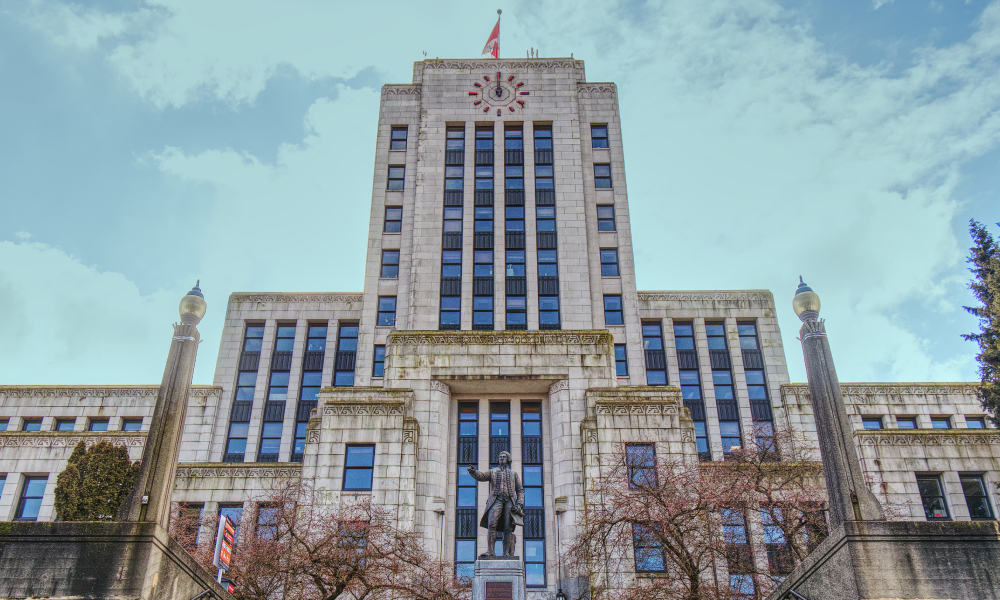
A British Columbia municipality had just cause to fire a worker who repeatedly made unfounded harassment complaints, an arbitrator has ruled.
The worker was employed at a wastewater treatment plant for Metro Vancouver Regional District and was originally hired in 1991.
The worker was involved in several workplace incidents between 2005 and 2018. This included two warnings, a letter of expectation and a two-day suspension. She also filed various complaints against coworkers.
The worker went on a medical leave in late 2016 and filed a workers’ compensation claim for work-related mental health issues, but the claim was denied. However, she remained off work for two years. The worker returned to work in 2018 on modified duties.
The worker returned on Feb. 13 and the division manager scheduled a meeting to welcome her back but she said she didn’t want to go to the administration building. The manager and the superintendent went to greet the worker, but she became emotional and HR scheduled a meeting with the worker and support people from her department. There was a disagreement about the worker’s restrictions and the worker was confrontational and angry, saying she didn’t feel safe there.
On Feb. 22, the worker claimed that the superintendent had trapped her in an office and berated her. The municipality retained an outside investigator to look into the complaint, who found the allegation unsubstantiated.
One month later, the worker emailed the division manager about a safety issue regarding a coworker sitting in his car who she worried would follow her out of the plant. The manager said he didn’t regard it as a safety issue.
In June, management expressed concerns about her “feelings of mistrust” that created stress and difficulty for “those charged with your supervision.” They noted that they saw the work environment as “objectively safe” and gave her a letter stating they she was expected to work with all of her coworkers and accept workplace directions from those in authority.
In July, the worker filed a report alleging that she was inappropriately touched by another employee. The superintendent looked into it and determined that the coworker had lightly tapped her on the shoulder in a friendly way and no action was required. The worker demanded an investigation and yelled at the superintendent, saying that the joint health and safety committee (JHSC) did nothing and she wasn’t going to return to work until her complaint was investigated. She went on leave to Jan. 11, 2019.
Shortly after the worker’s return, the manager and an HR advisor informed her that her “disruptive behaviour” was causing “significant adverse impacts on your coworkers and workplace productivity.” They warned her that if she was unable to modify her behaviour, she would be terminated.
On March 6, 2019, management held a town hall meeting with all staff. The worker stood up and asked the superintendent to step down as co-chair of the JHSC for failing to address safety issues and demanded a review of the respectful workplace policy. When asked for an example, she raised past complaints that had been found to have no merit.
On April 2, 2019, the worker’s employment was terminated for being disruptive, creating a negative work environment and contravening the expectations that had been set out for her.
The arbitrator found that the worker had been directed not to continue bringing up matters that had been investigated, but she didn’t comply. In addition, it wasn’t appropriate for her to ask a management representative to step down from the JHSC, as the committee had both employer and union representatives, including a union-appointed co-chair. Her behaviour was unreasonable and intended to humiliate the superintendent and undermine his authority, said the arbitrator.
The arbitrator noted that the worker may have honestly believed the workplace was unsafe for her. However, that didn’t mean she shouldn’t follow directions and she apparently believed that “her views permit her to do and say whatever she wants without consequence despite management’s warnings to the contrary.” The worker’s failure to follow directions and her personal attack on the superintendent’s credibility constituted insubordination, the arbitrator said.
The arbitrator found that the worker demonstrated a pattern of that made her unmanageable. She was warned that her employment was in jeopardy, but the behaviour continued, making the employment relationship no longer viable, said the arbitrator in upholding the termination.
Reference: Metro Vancouver Regional District and GVRDEU. Elaine Doyle — arbitrator. Greg Heywood for employer. David Tarasoff for union. Jan. 20, 2021. 147 C.L.A.S. 114


