Demand for imaging ''has dramatically outpaced workforce growth,' says radiologist expert
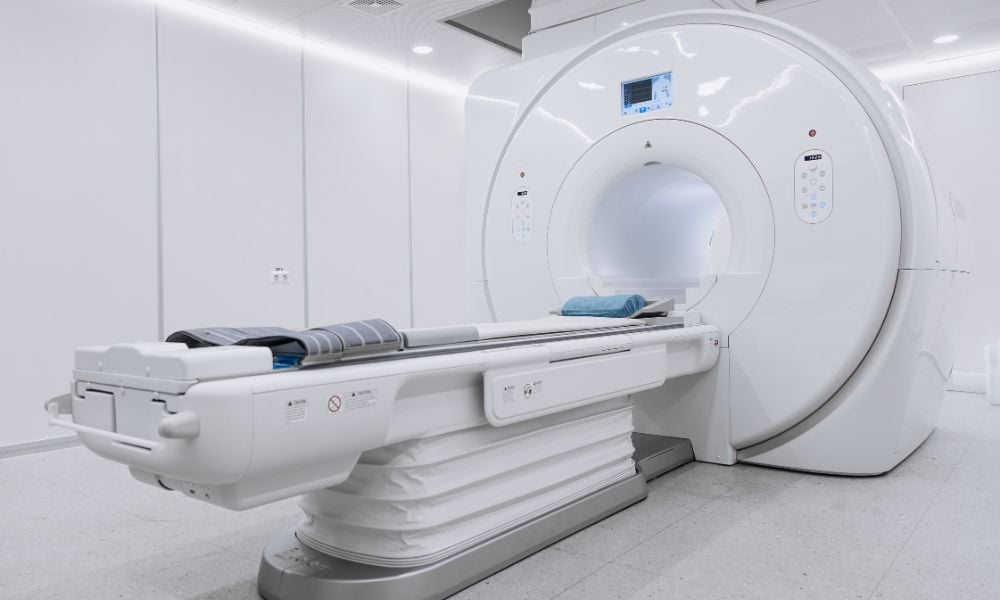
Nearly twp million Canadians are off the job or working reduced hours while they wait for MRIs, CT scans, and follow-up treatment, costing $18 billion in employment income and contributing to a $64 billion GDP loss, according to a report from Deloitte and the Canadian Association of Radiologists (CAR).
The association is using those figures to press Ottawa ahead of the next federal budget. Its September 2026 pre-budget submission to the Department of Finance asked for a $2 billion, three-year federal co-investment to replace obsolete CT, MRI, and ultrasound equipment and to cover site installation and preparation costs across provinces and territories.
Wait times in Canada
Patients in Canada wait an average of 84 days for an MRI and 66 days for a CT scan, which puts the country weeks behind most OECD countries.
Prolonged waits for MRI, CT, ultrasound, and other imaging services are delaying diagnosis and treatment for millions of Canadians, according to the CAR.
The report attributes widespread congestion in the healthcare system to years of oversight, which it says continues to hinder Canada’s economic development and put Canadians’ health and wellbeing at risk.
“Radiology is the gateway to modern healthcare,” said Alison Harris, president of the CAR.
“When imaging capacity is constrained, every part of the healthcare system feels the impact, from cancer care and cardiac treatment to emergency medicine and surgery."
Statistics Canada data shows similar delays in specialist care. Nearly 4.5 million Canadians aged 45 and older could not get the specialist care they needed in 2024, and among those who did reach a specialist, around 20% of middle-aged adults waited six months or longer between referral and initial consultation.
The median wait between referral from a general practitioner (GP) and receipt of treatment is 28.6 weeks, down from 30.0 weeks in 2024, according to a late 2025 Fraser Institute study. However, the 2025 data are still “208 per cent longer than the 9.3 week wait Canadian patients could expect in 1993.”
From waiting room to claims file
Every day that patients wait longer for diagnostic imaging contributes to lost productivity, workforce absences, and delayed treatment, according to the CAR.
The CAR’s pre-budget submission states that when imaging is delayed, downstream care stalls, adding to economic costs through lost workforce productivity and delayed return-to-work timelines.
Canada’s life and health insurers paid $10 billion in disability benefits in 2024, helping 12 million Canadians replace wages while they were unable to work, according to the Canadian Life and Health Insurance Association.
Workers with chronic conditions report similar access issues. More than half of Canadian workers are experiencing chronic health issues, with musculoskeletal, mental health, and cardiovascular conditions topping the list, accounting for 68 percent of long-term disability (LTD) claims, finds Sun Life
Older fleet, thinner ranks
“The reality is that the system as it stands is both under-resourced and under-staffed,” Harris said. She added that modernizing the fleet would help meet the demands of 21st-century healthcare by shortening scan times, reducing equipment downtime lost to costly maintenance on older machines, and integrating emerging technologies such as AI.
According to the CAR’s submission, 33.4% of CT scanners and 37.2% of MRI scanners in Canada are more than 10 years old. Between 2004 and 2023, per-capita CT exam volumes rose 85.4% and MRI volumes rose 131.7%, while the medical radiation technologist workforce grew 32.1%.
Harris said demand for imaging “has dramatically outpaced workforce growth,” and that access cannot increase without skilled professionals to operate scanners and interpret images. “Investing in people protects the return on every healthcare infrastructure dollar,” she said.
Alberta opens private lane
Alberta became the first province in Canada to legislate a two‑tier health‑care system and enable private health insurance for medically necessary services.
On Dec. 18, 2025, Premier Danielle Smith’s government passed Bill 11, the Health Statutes Amendment Act. The law creates a framework for “dual practice” by physicians and opens the door to a private insurance market for core medical services, according to a report from the Canadian Centre for Policy Alternatives (CCPA).
Under a provincial program that began July 31, 2026, participating clinics in Alberta are gradually accepting self-referrals for privately paid MRI and CT scans, ultrasounds, and X-rays. Alberta Health Minister Justin Wright said patients must bill private insurance first before the province pays any remaining eligible amount.
Corey Hogan, a Calgary member of Parliament, said Ottawa is asking Alberta for more information as it assesses whether the changes comply with the Canada Health Act.
The pitch to Ottawa
The CAR calls modernizing Canada’s medical imaging fleet one of the highest-yield investments the federal government can make to unlock economic capacity.
It says investment in diagnostic imaging will deliver measurable returns through improved productivity, better health outcomes, and reduced long-term costs.
“Radiology is not just healthcare spending,” Harris said. “It is a strategic national investment opportunity to secure a healthy workforce and a prosperous future.”
The CAR attributes the bottleneck to chronic underinvestment in medical imaging. It says Canada’s diagnostic crisis calls for federal leadership to address both a health access issue and a considerable economic drain.