What one HR Fest Canada speaker says leaders must do to rebuild workplace trust
With constant change happening in organizations, employees are losing trust in their leaders and their sense of belonging at work.
That’s according to the latest Edelman Trust At Work report, which found workplace relationships are breaking down, with a significant year-over-year drop in trust since 2024. The survey of 10,000 employees across 10 countries found trust in CEOs declined from 70 per cent to 66 per cent, trust in direct managers from 79 per cent to 72 per cent, and trust in coworkers from 82 per cent to 73 per cent.
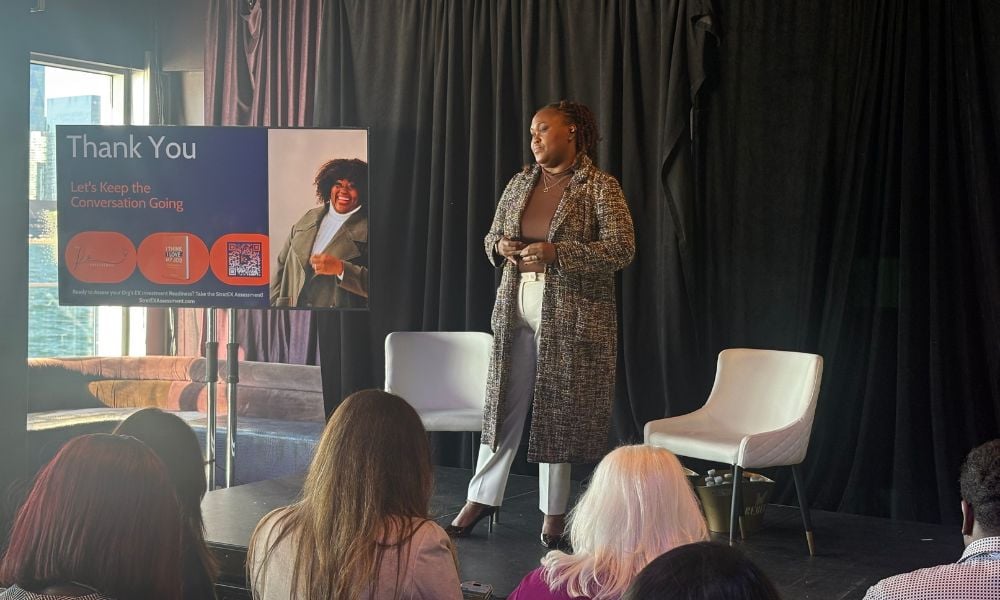
Rebuilding trust requires a three-part ecosystem — trust, belonging and growth — and all three have to work together, according to Siobhan Calderbank, VP of belonging at Element Fleet Management.
“For people to truly feel that they are trusted, they have to feel that they have a place that they belong to,” she says. “And if they don’t see room to grow, why are they there?”
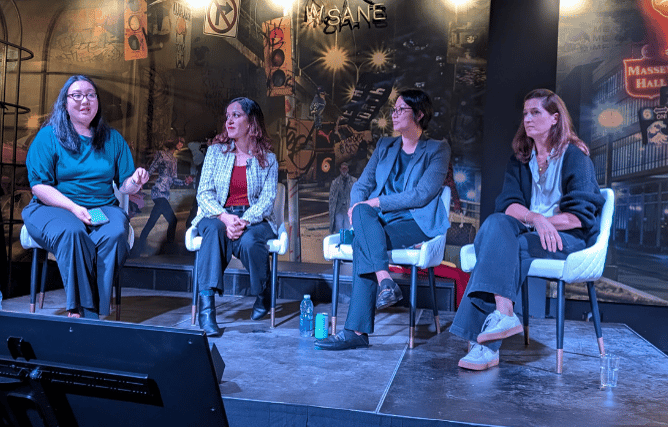
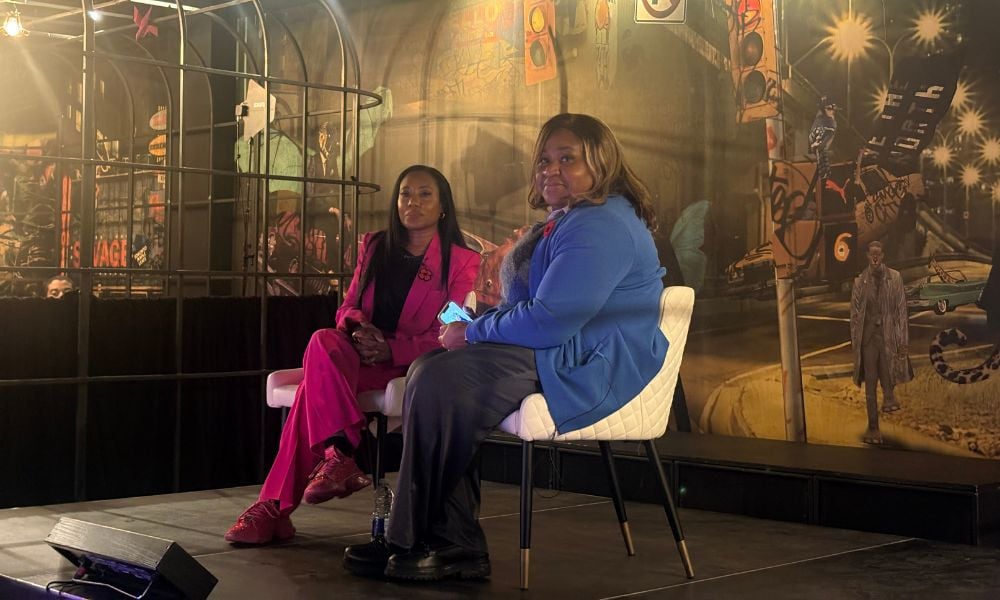
Speaking at HR Fest Canada on Nov. 11 at Rebel, in Toronto, Calderbank discussed the ways employers need to use the ecosystem to build trust, alongside Edith Pencil, director of employee services at Performance Auto Group, who moderated the panel.
An ecosystem that builds on itself
The reason these three concepts matter, Calderbank says, is because they work together and build on each other.
The first is trust — employees need to feel they are genuinely trusted by their leaders, which then leads to a feeling of belonging.
“It’s one thing for me to feel, okay, I’ve been invited to the discussion or the conversation or the room, but it’s another thing for me to feel as though my responses actually matter,” she says.
That belonging then ties directly into career growth and opportunity.
“If you’re in an organization and you feel ‘I don’t really see myself moving in this organization, I don’t see myself elevating or being promoted, then why am I here?’” Calderbank says.
Without all three working together, she says, things tend to fall apart.
“For organizations to truly cultivate a space where people feel trust, they have to feel safe,” she says. “And if those three things don’t exist, this is where things fall apart.”
More than the value proposition
That ecosystem, Calderbank says, is also the foundation of a truly inclusive workplace — and it looks very different from what most organizations are doing.
Many organizations tend to put out their employee value proposition talking about values like accountability, integrity and respect — but Calderbank says when it comes to practice, there is often a significant disparity.
“They put these little pretty pictures on the website that show all these diverse folks, and you walk in and nobody looks like you. So, that in and of itself, doesn’t feel very inclusive,” she says.
That is where belonging comes into play, she says, and it starts with leaders being genuinely present. Calderbank says managers often default to task-based conversations, when creating small moments of genuine connection is what builds inclusion.
“It’s the small things from day one when you meet a new team member — did you make them feel special? Did you take the time to take them out to lunch and really truly get to know them? When they’re struggling, are you taking the time to ask them questions? ‘How can I support you? What other things do you need?’” she says.
Listening means stepping back
Calderbank points to a decision she made at a previous organization after the murder of George Floyd in 2020, when she chose to pull a scheduled engagement survey.
“You really don’t want to hear what people have to say at that moment and then not be ready to respond,” she says. “If you take feedback and do nothing with it, that is worse than running no survey at all.”
Instead, the organization focused on creating authentic conversations — a program called Spark the Conversations — giving people the chance to talk about what truly mattered to them.
“The team members were the ones running the conversations, and the leaders were listening and then taking action. Employee engagement rose, people wanted to stay in the organization, people felt a true sense of belonging,” she says
Performance management, Calderbank says, is another area of inclusion that is particularly important to her. While many see it as routine, she says it is a chance for career conversations and feedback throughout the whole year — which not only keeps employees involved but makes them feel like they truly matter.
“There’s no surprises at the end,"she says.
What leaders need to do
When it comes to practical advice for leaders, Calderbank says there are two behaviours that can make or break trust.
The first is listening to what is not being said. If nobody is challenging ideas or bringing different perspectives to the table, that is a sign of a trust problem — not harmony.
“When the leader approaches that with openness and transparency and is able to say, 'That’s a very different point of view,’ and they respect that, that’s where you start building in the trust,” Calderbank says.
The second is transparency — specifically around change and decisions happening in the organization.
“If you, as a team leader, know something’s happening in the organization, there’s a change or initiative, but you say nothing to your team members, they will lose trust in you,” she says. “They’re going to make up a story, and their story is always worse than whatever the truth is.”
Even if the answers aren’t there yet, Calderbank says keeping that dialogue open and following up is what keeps trust intact.
A gap that will not close on its own
Calderbank says the data reveals a disparity that still needs to be addressed.
She points to figures from McKinsey & Company Women in the Workplace 2025 report, which found that roughly 69 per cent of entry-level women want to be promoted, compared with 80 per cent of entry-level men. The report further found only 31 per cent of women had sponsors, compared with 45 per cent for men.
Across all employees, only around 32 per cent are initiating those conversations at all, Calderbank says.
“Those gaps are not going to close unless people trust enough to have that conversation,” she says.
Pencil adds that the responsibility cannot just fall on employees. “It needs to be part of leadership practice, consistently, with every employee,”she says.