
‘I feel I can contribute meaningfully’: Christine Barwell of Wesdome Gold Mines shares career highlights
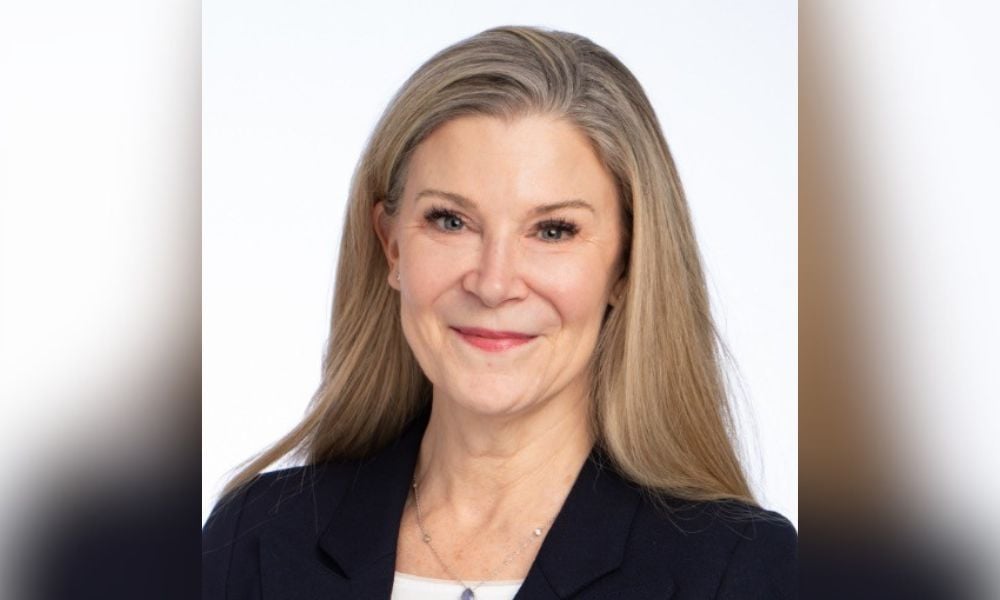
Christine Barwell’s journey into HR began like many — inspired by an HR leader.
Working as a hotel receptionist in her 20s in London, UK, she was unclear on a career direction. But one HR manager “made a very lasting impression,” she says.
“It was her authenticity. She was very genuine and she really made a point of connecting with employees. So, I thought, ‘I think I could do this.’”
Barwell went on to pursue a certificate in HR and landed her first job at Coopers & Lybrand in Toronto, which later merged with PwC. She worked there about 10 years, starting as an HR assistant and leaving as senior manager of global mobility.
“They were really formative years. And it was the foundation of my professional development,” she says.
“I made sure to put my hand up and volunteer to take on a little more, apply to different roles, because I saw that as an opportunity to broaden the breadth of my skills and, admittedly, a means of advancing my career.”
That strategy clearly worked: Barwell is now senior vice-president of human resources at Wesdome Gold Mines.
‘Notable’ shift in labour mobility needs
Over the course of her career, Barwell has gone on to work largely in the mining and energy sectors, including Kinross Gold, Alamos Gold and Li-Cycle, often overseeing the management of employees in different regions.
In that regard, she says she saw a “notable” shift over the years, from single- to dual-career families.
“It added complexity to relocation decisions, because it was no longer a solo decision, it was a family‑unit decision, and both parties wanting to continue to develop their careers. So, the type of support that we offered employees shifted,” she says.
“We started to look at the accompanying partner’s career opportunities — so whether it was internal roles, wherever they were choosing to go, or just general networking and supporting them there. Or, in some cases, career‑transition support.”
Barwell says she realized, in navigating all these complexities, that no two situations are the same.
“Each case is highly personal, emotional at times, and requires a very tailored approach with strategic planning and a deep understanding of individuals and their needs.”
Understanding cultural differences
In addition, culture plays a big part in how someone assimilates to the host location, she says.
“There was a lot of work that developed over the years on really educating not just the person transferring or the family unit transferring, but also the hosts so they could understand each other and the many indicators of culture — it was pretty complex.”
Navigating jurisdictional differences requires a lot of attention and sensitivity, according to Barwell, particularly when it gets to employee communications, policies and program design.
“Organizations, even if they're global, they operate within diverse societal norms, and so a one‑size‑fits‑all approach is not going to work. In my experience, the most successful strategy has been finding that balance between consistency and flexibility… establish a global framework and then allow each of the jurisdictions to adapt, to align with their… legal requirements or cultural norms.”
With a recognition program, for example, traditions may differ, she says: “You need increasingly high-touch, more personalized interactions between HR and the employees to ensure programs resonate.”
Attracting, retaining top talent in mining
Having signed on for an HR leadership role with Wesdome Gold Mines in March, Barwell says she keeps coming back to the mining sector because of the passion: “It’s a really good environment to work in,” she says, adding that Wesdome’s values, strength of vision and authenticity resonated with her during the interview process, along with meeting individuals who really care about the work they do.
“This is an organization where I feel I can contribute meaningfully and continue to grow.”
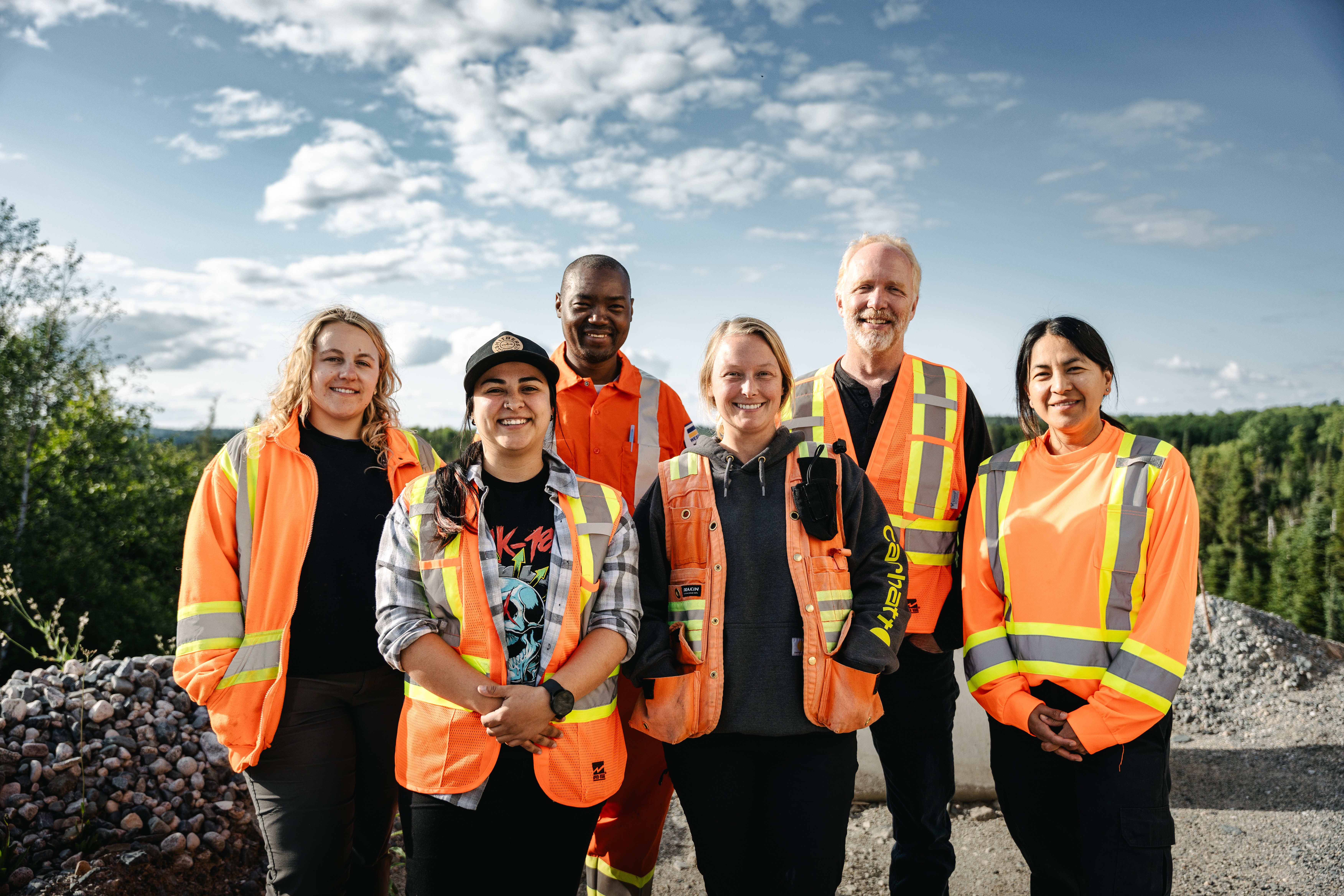
The company has about 700 employees, with a mine site in Quebec and Ontario, along with the corporate office in Toronto.
Like many in the sector, Wesdome is prioritizing the attraction and retention of top talent, says Barwell.
“That starts with our employee experience, their health and safety — it's really important. You want to build an environment where people and employees want to come to work. And then, obviously, we want them to return home safely. So, we want them to really feel like the work they do has a real impact, both on their teams and the company at large.”
‘Embracing’ AI to improve efficiency
While attracting jobseekers in Canada is “challenging,” she says, they want Wesdome to be a preferred employer, which means “assessing a lot more than just compensation — it goes back to culture.”
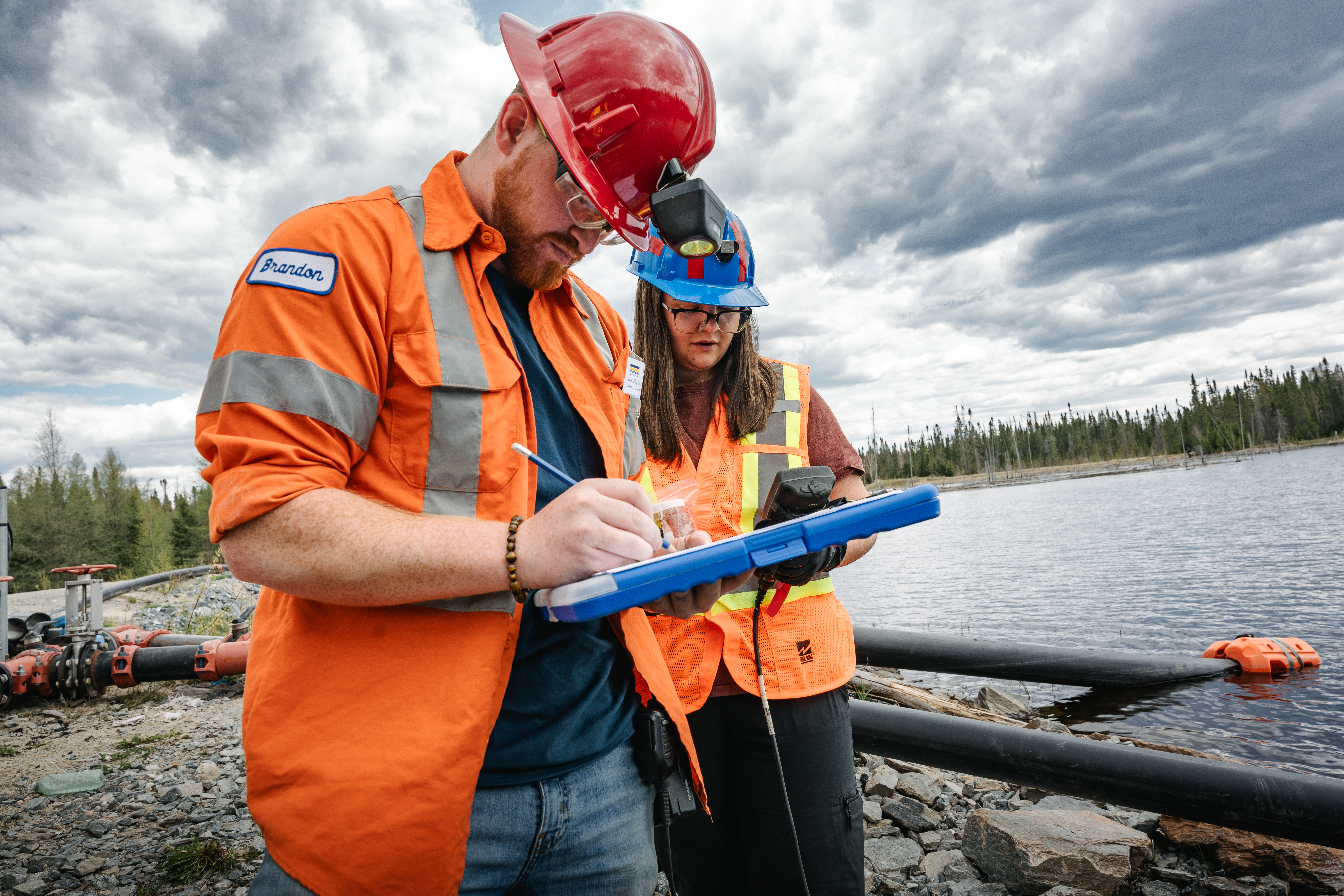
To that end, an annual engagement survey is a good source of information and helps shape policies and programs, says Barwell.
“We also keep a close eye on trends. So, of course, AI is one of the more recent trends [so we’re] looking at it, how it can enhance the work that we do — and I don’t mean just in corporate but also at our sites — to improve efficiency, improve employee experience,” she says.
Fortuitously, Barwell attained an MBA in digital transformation from McMaster University in 2018.
“That was a great example of putting myself completely outside of my comfort zone,” she says.
“So, rather than fear [AI], we’re embracing it and working through what that looks like for Wesdome."



