‘Ontario is fighting back,’ says province’s new labour minister
The governments of Ontario and Canada are investing $203,735 to help 75 steel and manufacturing workers and jobseekers in the Hamilton area retrain as U.S. tariffs weigh on the sector.
The money flows through Skills Advance Ontario (SAO) to a project delivered by Learning Connections Hamilton. The funding is provided by the federal government through the Canada-Ontario Workforce Tariff Response.
"Ontario is fighting back against President Trump's attacks on our economy by helping our workers retrain, upskill and stay competitive," said Trevor Jones, Ontario's Minister of Labour, Immigration, Training and Skills Development.
Jones is new to the role, after Premier Doug Ford unveiled changes to his cabinet on Sept. 10 amid President Trump’s ongoing trade war with Canada.
“President Trump is once again taking aim at Ontario’s economy with his latest round of tariffs and anti-trade measures,” said Ford. “Ontario won’t back down. We’re preparing for the long haul, and that means putting the right team in place to protect Ontario workers and jobs today while building the most competitive, resilient and self-reliant economy in the G7 that can withstand whatever challenges come our way.”
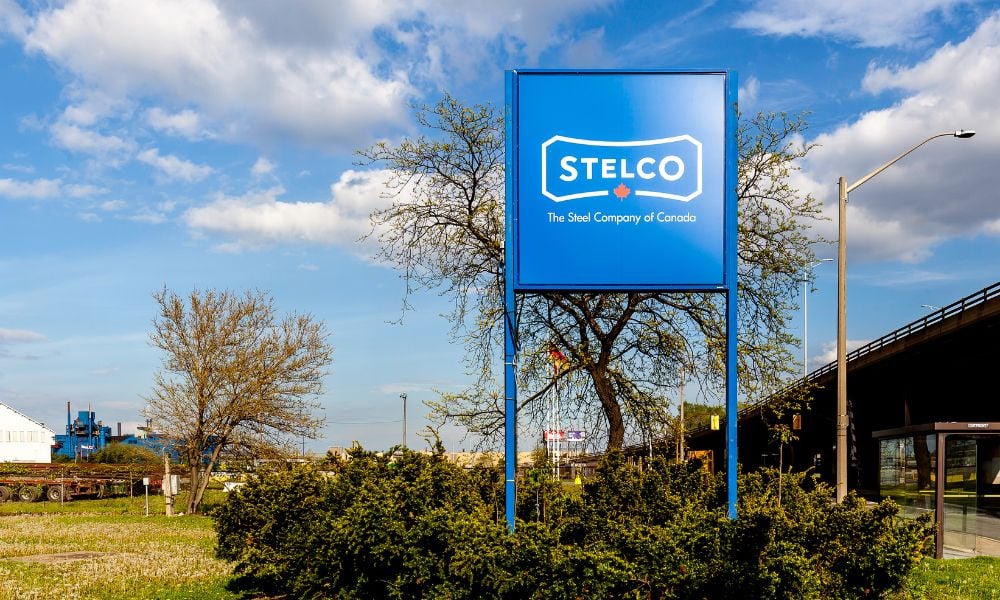
The announcement comes as Hamilton braces for more steel job losses. Stelco said on Sept. 28 that it will indefinitely idle the cold mill and galvanized steel operations at its Hamilton plant on Oct. 9, citing U.S. tariffs and low steel prices in Canada, with up to 500 workers at its Hamilton and Nanticoke, Ont., facilities potentially affected.
What the program offers
According to the province, participants will receive skills assessments, individualized training plans, digital skills upgrading, training referrals, case management and help accessing certifications and short-term training required for employment.
Learning Connections Hamilton says the free program is a way to identify the skills and training workers need, build a plan that could include upgrading, high school credits, job-specific courses or apprenticeships, and keep them on track. Its project partners are the Hamilton Steelworkers Area Council, Niagara College's academic upgrading program in Hamilton and the Hamilton Literacy Council.
To be eligible, participants must be 18 or older, live in Ontario, be legally able to work in Canada, be on Employment Insurance (EI) and not be in full-time education or training, according to the organization. They must also have been laid off from the steel industry, though it says some exceptions apply.
"We identify the skills and training needed, build a plan together that's right for them and keep them on track to reach their employment goal," said Sara Gill of Learning Connections Hamilton.
Terry Willock of the Hamilton Steelworkers Area Council said local steelworkers "have been hit hard by tariffs," and the project offers specialized supports aimed at getting people back to work quickly.
Part of larger tariff response
The Canada-Ontario Workforce Tariff Response was announced on March 10, 2026, by Ottawa. It commits $228.8 million over three years through the Canada-Ontario Labour Market Development Agreement to support about 27,000 workers in steel, automotive, softwood lumber and other tariff-affected industries, ESDC said.
As of Oct. 2, Ontario and Canada were supporting 17 SAO projects aiming to help more than 2,000 participants in tariff-affected sectors, according to the government.
SAO funds partnerships between employers and employment and training providers. Employers participating in funded projects must not use SAO supports to replace existing or laid-off employees, and applications are accepted on an ongoing basis until funds are allocated.
"At a time of global economic uncertainty and trade disruptions, we will be there to help them navigate what comes next," said Patty Hajdu, Minister of Jobs and Families and Minister responsible for the Federal Economic Development Agency for Northern Ontario.