'Cannabis workers told us their top priority for safer workplaces was ensuring that no one is required to work alone'
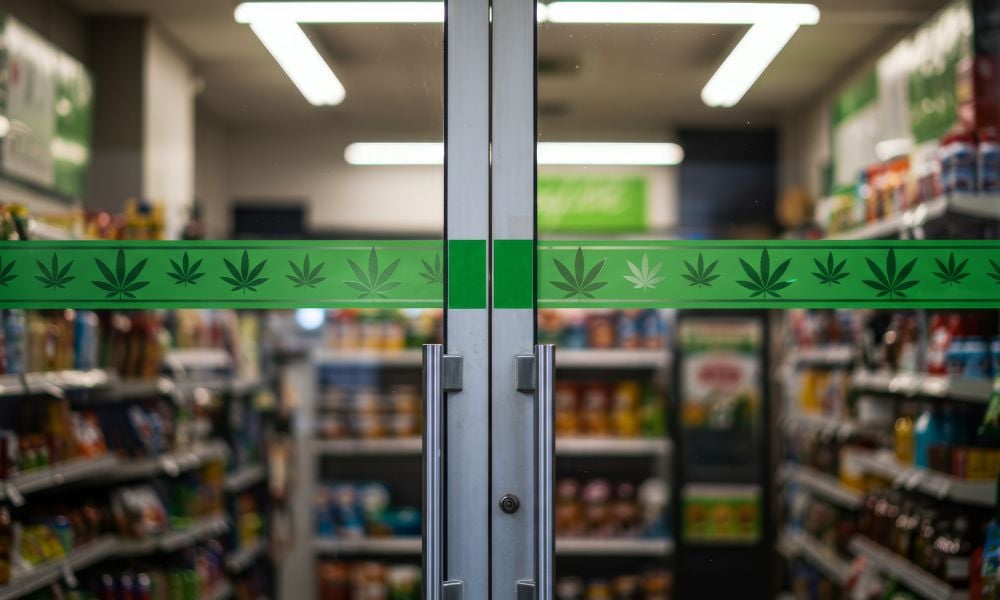
Manitoba cannabis retailers could face new staffing and workplace safety requirements under proposed legislation that would give regulators the power to set minimum staffing levels during specified hours.
Bill 56 would amend the Liquor, Gaming and Cannabis Control Act by removing the requirement for cannabis stores to cover storefront windows and allowing regulations to prescribe how many employees must be on duty at certain times.
The changes could require some retailers to rethink how they schedule shifts, particularly where employees currently work alone.
“The safety of Manitobans is always a main priority for this government, so when we heard from the Manitobans that work in these stores that this is what was needed to help keep them safe, we listened,” Justice Minister Matt Wiebe said.
Minimum staffing rules to come later
The legislation does not set a minimum number of employees or identify which hours would be covered. Those details would be established through regulation.
Depending on the final rules, retailers could need to add overlapping shifts or change opening and closing practices where a single employee is currently scheduled.
“Our union welcomes these first steps. Cannabis workers told us their top priority for safer workplaces was ensuring that no one is required to work alone, and we look forward to the LGCA’s implementation of the mandatory minimums and to being part of the consultation process,” said Marie Buchan, secretary-treasurer, UFCW Local 832.
“We’ll be pushing for window coverings to be removed as soon as possible in unionized cannabis workplaces and would encourage all employers to take this opportunity and make their workplaces safer.”
The bill would also remove the requirement that cannabis-store interiors be obscured from public view. The province said greater visibility from outside stores could reduce the isolation of workers inside.
“After extensive conversation and consultation with Manitoba workers, labour representatives and business owners, we heard loud and clear that this change would go a long way in keeping Manitobans safe, so we acted,” Labour and Immigration Minister Malaya Marcelino said.
Existing lone-worker duties remain
Any cannabis-specific staffing rules would add to employers’ existing obligations under Manitoba’s working-alone and working-in-isolation requirements.
Under the Workplace Safety and Health Regulation, employers must identify risks associated with working alone or in isolation and take reasonably practicable steps to eliminate or reduce them. Employers must also establish safe-work procedures, train affected workers and maintain an effective communication system.
A future minimum-staffing requirement would not replace those existing risk assessments or lone-worker procedures.
Manitoba also has separate workplace violence prevention requirements. Where those rules apply, employers must establish procedures for summoning immediate assistance, reporting incidents and investigating workplace violence.
“No one should be subjected to violence at work, but we know that far too many cannabis store workers face violence on the job. These common-sense changes will help to make these workplaces safer for workers and customers alike,” said Kevin Rebeck, president of the Manitoba Federation of Labour.
The proposed amendments follow discussions between the Manitoba government and UFCW Local 832 after previous violent incidents involving cannabis-store workers.