
Collective agreement included article outlining general holidays recognized by employers
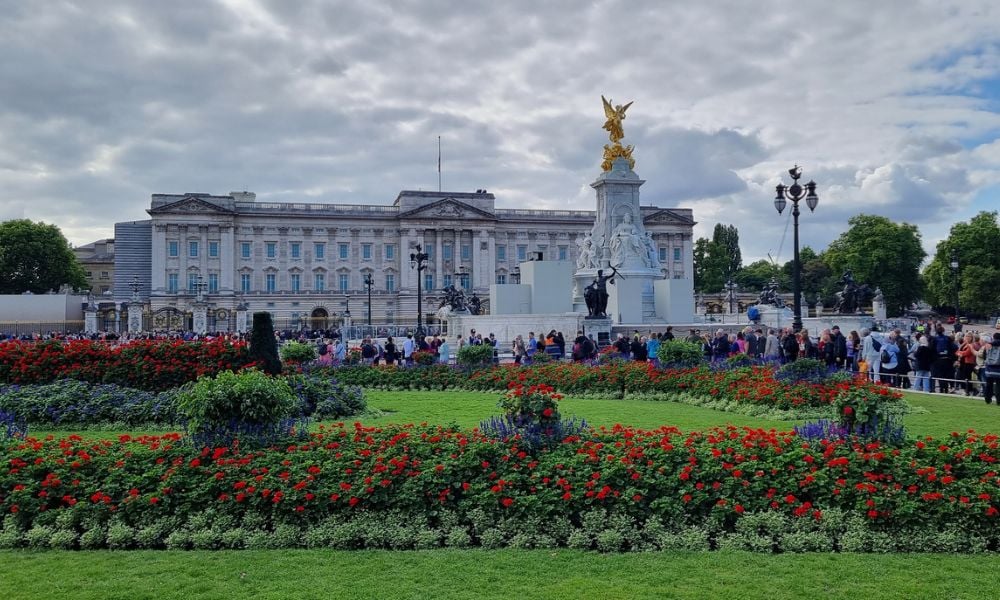
A proclamation for a National Day of Mourning didn’t specifically create a general holiday for non-government employees, a BC arbitrator has ruled.
The Vancouver Terminal Elevators’ Association is a group of grain elevator operators in Vancouver. The association had a collective agreement with the Grain Workers’ Union, Local 333, that governed the employment relationship with all the member employers, who were all federally regulated.
The collective agreement included an article outlining general holidays that were recognized by the employers. It listed 11 days for which employees “other than watchpersons and relief watchpersons” would not be required to work. It also allowed the addition of “any general holiday proclaimed by the federal government or provincial government of British Columbia” to be granted with the same conditions as the listed general holidays.
When the federal government proclaimed the National Day for Truth and Reconciliation as a federal holiday in 2021, the association and the union agreed to recognize it as a general holiday.
In September 2022, Queen Elizabeth II died and Prime Minister Justin Trudeau released a statement saying that Sept. 19 would be a National Day of Mourning (NDM) that would be designated a holiday for the public service of Canada. It invited other employers to recognize the NDM.
An Ontario collective agreement allowed the NDM to be included as a holiday due to general wording about days of mourning, an arbitrator ruled.
Proclamation to set aside day to honour Queen
The Governor-General issued a federal proclamation requesting that “the people of Canada” set aside Sept. 19 as a day to honour the late Queen’s memory and the federal labour minister stated that the day would be a holiday for federal government employees, adding that “federally regulated employers are welcomed to follow suit, but they are not required to do so.
The Office of the Chief Human Resources Officer stated that the NDM was a “one-time holiday for all persons employed by the core public administration” but it was not a designated paid holiday.
The Premier of BC at the time stated that the provincial government was advising provincial public-sector employees to honour the day “in recognition of the obligations around federal holidays in the vast majority of provincial collective agreements” and encouraged private-sector employers to recognize the day.
The association did not recognize the NDM or give employees the day off, so the union filed a grievance arguing that the day should have been included under the collective agreement’s holiday provision.
A BC employer had to recognize the NDM as a holiday proclaimed by the federal government.
Legislative definitions of holiday
The arbitrator noted that the federal Interpretation Act included, in its definition of holiday, “any day appointed by proclamation to be observed as a day of general prayer or mourning…” as well as such a day appointed by proclamation in the province or municipality. On the provincial level, the BC Interpretation act includes, in its holiday definition, “a day set by the Parliament of Canada or by the Legislature, or appointed by proclamation of the Governor General or Lieutenant Governor, to be observed as a day of general prayer or mourning.”
There was no provincial or federal legislation that recognizes the NDM as a holiday, but the collective agreement created a broader contractual entitlement that references federal and provincial proclamations, the arbitrator said.
The arbitrator noted that what made the National Day of Truth and Reconciliation a holiday in 2021 and going forward was not a proclamation, but rather amendments to legislation, and that created the holiday entitlement in that case.
The arbitrator found that the collective agreement’s wording referred to the proclamation by the federal or provincial government “based on a power to make such a proclamation” through the legal process. In the case of the NDM, the federal government made a proclamation for people to set aside Sept. 19, 2022, to honour the Queen, but it did not say that the day was a general or public holiday. The subsequent federal labour minister’s statement created a holiday for federal public servants only, but no proclamation created a holiday for anyone, the arbitrator said.
The arbitrator determined that the collective agreement’s holiday provision was not triggered “by a decision to allow government employees the day off.” The grievance was dismissed. See Vancouver Terminal Elevators’ Association v. Grain Workers’ Union, ILWU, Local 333, 2023 CanLII 56796.


