'We're trying to use that data to deeply understand what matters to employees the most'

Most good employers want to take care of the workforce by providing a fulsome and effective benefits package.
However, a modern plan design has to take into account the fact that a wide variety of ages and family situations exists today in a lot of organizations.
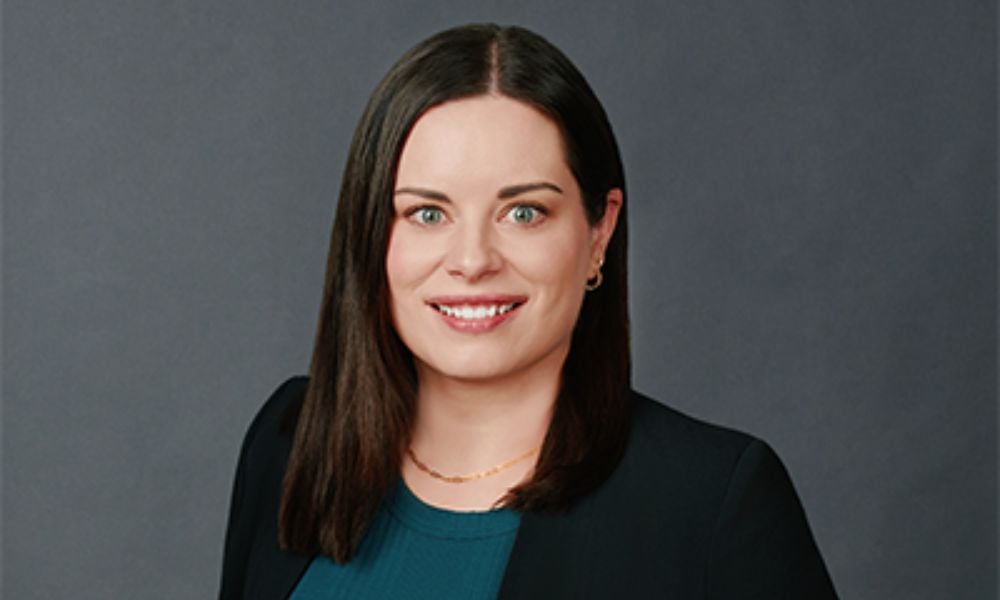
“The overall Canadian workforce is one of the most multi-generational on record, where there are now four to five generations within the workforce,” says Shane Reid, director, drug, product and provider management at Medavie Blue Cross in Mississauga Ont.
Because the population is aging, and many older workers are continuing to work due to better health, this means employers should adjust for this new paradigm.
“It’s probably two-thirds are millennials, gen X; probably about 13 per cent are gen Z, another 20 per cent are baby boomers and the silent generation,” he says.
Benefits variation by generation
In looking at recent data, Medavie Blue Cross found that drug and treatment needs are sometimes vastly different: ADD/ADHD, contraceptives and depressants are the top wants for gen Z workers, whereas cardiac and diabetes drugs top the list for baby boomers and older generations.
The data also showed that looking after themselves psychologically was important to younger employees.
“Mental health practitioners are among the top benefits used by younger employees but it doesn’t even appear on the top five for baby boomers and the silent generation, which shows that maybe the younger generation are more comfortable talking about seeking support for their mental health challenges,” says Reid.
More than three-quarters of younger workers are employing mental health benefits offered by employers, according to another survey.
‘Deep-dive, total rewards survey’
Over at Sun Life, a similar initiative was undertaken recently to find out what employees needed most.
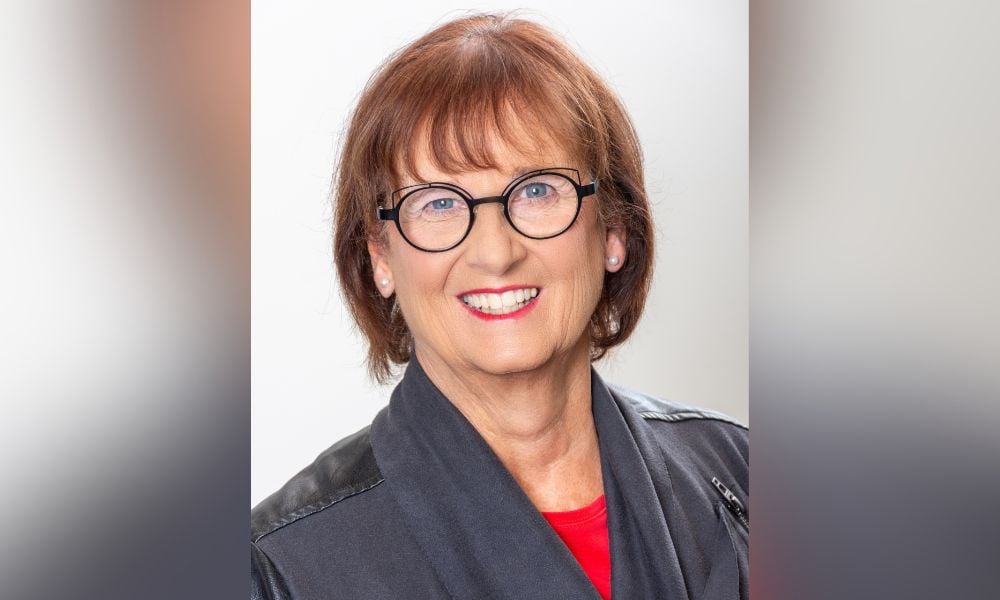
“We undertook a deep-dive, total rewards survey where we gathered employee input directly,” says Shelley Peterson, senior vice-president, total rewards at Sun Life in Toronto.
The company wanted to manage the benefits offering for its workers, she says, by taking an “employee-centric approach.”
“We start that with a lot of employee listening… we have a quarterly listening strategy to employees across all aspects of people and culture,” says Peterson. “And then we’re trying to use that data to deeply understand what matters to employees the most, and to let that data inform our decisions about both plan design and also plan delivery.”
This informed the new approach, which also takes into account the differing generations.
“Coming into the organization, you might be thinking a lot more about getting initial protection and managing through debt; different stages might be thinking a lot more about work and family and that would include family-building benefits; and toward the end of career, people are very focused on retirement,” she says.
“[It’s about] understanding your employees in all of their beautiful complexity, and their wants and their needs and their values, having the data to be able to drive your decision-making, so that you can invest in the places that are going to be most critical to employees.”
Going into a recession is the wrong time to cut benefits, says another HR expert.
Cross-generational benefits
While the differences are apparent in some areas, there are also benefits that are “a bit more cross-generational,” according to Reid.
“Massage is a good example of that, where millennials, generation X, baby boomers — it is a predominant benefit utilized, and a lot of conversations about the rise of claims relating to chronic disease and musculoskeletal coming out of the pandemic, of which massage is a viable alternative for that.”
Declines seen during COVID are also starting to ramp back up, according to Reid.
“In some drugs, as an example, we saw lower utilization just because there were some challenges around access to care, and you’re starting to see that that rectify itself. The nature of some of those services have started to morph back and, in some cases, corrected themselves.”
COVID also forced larger, more institutional change to the industry as whole, such as virtual care, he says.
“During the pandemic, they now had an opportunity to experience that for the first time and saw the efficacy of it and the effectiveness to the point where now, even when things return back to some degree of normality, the benefits of some of those digital services are almost ingrained.”
In the aftermath of the pandemic, benefits providers are changing how they present new offerings, according to Peterson.
“It’s not the big-bang program rollout all the time of the benefits of old but piloting changes, so that we can act more quickly so that we can get more employee feedback on the change and then respond to that.”