A neuro-affirming environment is key to reducing camouflaging among autistic workers, experts say
People are always encouraged at work to come as their authentic self — but for autistic workers, that is often easier said than done, a new study finds.
For this group, camouflaging in the workplace is common — and it comes down to different reasons. For some, it is a response to workplace pressure; for others, it is about coping, making neurotypical colleagues feel comfortable, gaining acceptance, or hiding their identity, according to a study published in the Journal of Autism and Developmental Disorders.
The report — led by a professor at Pennsylvania State University who collected written descriptions from 131 employed adults with autism — also highlights that the effects of camouflaging lead to behaviours such as rehearsing conversations, monitoring facial expressions, and concealing discomfort related to different sensory environments.
With the report highlighting that 86 per cent of participants camouflage often or sometimes at work, the hidden labour cost it can have on workers’ productivity is significant — and something organizations cannot ignore.
Trying to be 'neurotypical'
Allison Cormier, a student and research fellow at the University of Calgary,who studies autism, describes camouflaging as an assimilation behaviour — a way for autistic workers to blend in and appear more “neurotypical.”
“A good example from the research is employees who write social scripts before conversing with coworkers and colleagues. That is compensation: practicing ahead of time, or essentially working to make up for some of the challenges that may arise from being autistic,” she says.
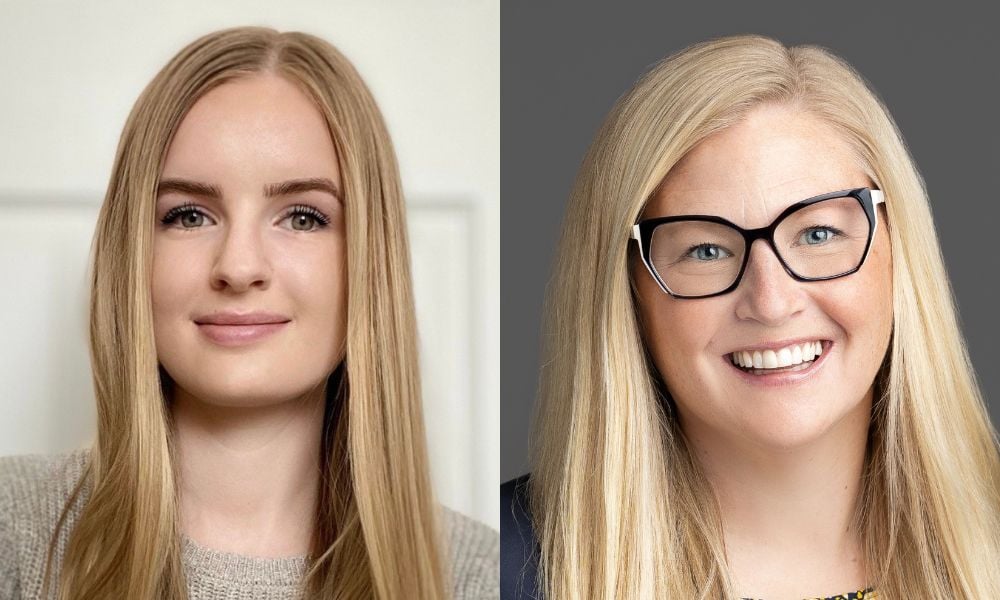
Cormier is a student of Carley McMorris, a professor and researcher at the University of Calgary who specializes in autistic individuals. Both spoke with Canadian HR Reporter to explain the effects camouflaging can have on autistic workers — and what employers can do to help.
The real cost of camouflaging
While McMorris says the goal for employers should not be stopping autistic people from camouflaging altogether, there can still be real consequences that come from autistic workers feeling the need to camouflage.
Her research, finds that feeling the need to camouflage can lead to an increased likelihood of experiencing mental health issues — from anxiety and depression to suicide.
Everyone camouflages to some degree, McMorris says, but when it becomes maladaptive, that is when it can become an issue.
“At some point, it becomes maladaptive. Camouflaging begins to lead to feelings of isolation and inauthenticity — not being able to be your true self.”
Building a neuro-affirming environment
The main recommendation both experts offer is making the environment as neuroaffirming as possible.
“What you are trying to do is reduce the pressure to camouflage and allow people to engage in behaviours they would otherwise feel compelled to hide,” McMorris says.
That can be done through creating and promoting a neuro-affirming culture, Cormier adds, where workplaces build a culture where autistic traits are genuinely accepted throughout the entire organization.
It can also be done through ensuring offices are sensory-friendly, McMorris says.
“Lights are not overly bright, the space is not too loud, and employees have access to headphones or other sensory-mitigating tools and equipment. It also means showing acceptance when an autistic person does not get every conversation perfect, and allowing autistic traits to be visible — stimming, repetitive behaviours — and being open to those,” she adds.
Addressing stigma and discrimination
The fear of judgment, harassment, and concealing an autistic identity is part of the reason why workers camouflage, the report highlights. To address issues like these in workplace culture, McMorris says there needs to be psychoeducation — a conversation about what autism is and what it can look like.
It also means having employees examine their own biases, assumptions, and attitudes.
“The shift cannot be performative — it cannot be a dramatic declaration that ‘Wwe celebrate autistic people,’ because that is not helpful either. It is more about conveying that any neurotype is valued in this culture,” she says.
“Autistic people often do not disclose experiences of harassment unless it becomes quite significant, so creating open conversations and transparency around these issues is important.”
McMorris says there needs to be a whole-system change — from the top down — around how accepting an organization is, regardless of neurotype.
Turning policy into practice
There can often be a gap between an organization’s neurodiversity policies and the actual experience of autistic employees in the workplace notes McMorris. For HR professionals looking to create strong and meaningful changes to assist autistic workers — and to be visible about the fact that they care — she says it starts with accessibility.
“Allowing certain behaviours to happen naturally — not requiring cameras on video calls, allowing text messaging instead of phone conversations, permitting headphones in the office — these are small, concrete changes that reduce social pressure and make a real difference,” McMorris says.
Cormier adds that there is a wealth of resources and research available for employers to use to help inform policies and practices.
“What we need to do is empower autistic people to feel that they can be accepted as who they are — and, simultaneously, create environments where they truly are accepted for who they are. Those are two distinct things, and both are necessary," McMorris says.
For a long time, the focus has been on asking the person to simply stop camouflaging, as though that instruction alone will feel liberating. That is not how it works," McMorris adds..