As AI reshapes the workplace, HR professionals are investing in new skills to lead through change

Artificial intelligence (AI) is transforming the way organizations recruit, manage, and develop talent. As automation and data-driven decision-making become more common, HR professionals are finding themselves at the centre of significant change. And that’s making a lot of people concerned about their jobs and the future of HR.
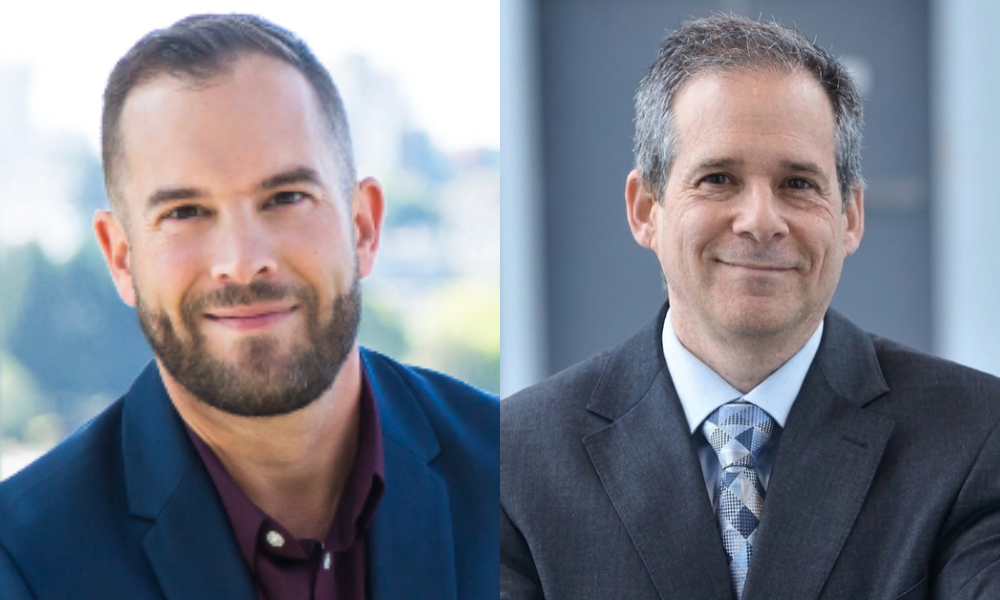
But Adler University’s Jason Walker, Psy.D. Ph.D, says this shift also underscores the value of the people side of HR. “AI can sort résumés and crunch data. It can’t build trust, settle conflict or lead people through change,” says Walker, who leads the school’s Industrial and Organizational Psychology and Health and Wellness Psychology Programs. “The hard part of HR was never the paperwork. It's the manager whose team has stopped speaking up, or the top performer who is quietly burning out. Software can flag the pattern. Fixing it takes someone who understands people. AI reads the data. But HR reads the room.”
Walker is among those who believe that the disruption of AI is raising the bar in what is expected from HR professionals. “Today's HR leaders need to be expert change champions,” he says. “They must not only make sense of workforce and recruitment data but solve increasingly complex problems of team performance and employee wellbeing. That’s a lot more than paperwork.”
As companies adapt to changing workforce needs, demand is growing for professionals who can combine people, leadership, and performance experience with a deep understanding of business and technical knowledge. These skills are becoming increasingly valuable as employers balance technological innovation with the human side of work. They are also among the areas many employers are actively grappling with as AI reshapes the landscape.
What do you need to be a leader in this new environment? How do you stay ahead in a profession that is evolving so quickly?
One answer is investing in advanced graduate education in business psychology or health and wellness psychology. The first is about how people work and lead. The second is about keeping them healthy while they do it.
Business psychology focuses on understanding the relationship between people and the organizations they work within. It examines how companies can improve performance while supporting employee well-being, making it especially relevant at a time when many employers are working through technological and organizational change. Health and wellness psychology focuses on the people side of that change: stress, burnout, mental health, and what helps employees stay well.
As professionals consider their next career move, choosing a respected graduate program becomes increasingly important. Adler University has been educating professionals in Canada for nearly 50 years and has earned recognition from organizations including Forbes Advisor, OnlineMasters.com, and Insight Into Academia. Its master's programs in Industrial and Organizational Psychology, along with its Master of Psychology in Health and Wellness, give HR professionals the skills AI can’t replace.
Between them, the two degrees cover most of what lands on HR’s desk, from engagement and leadership development, to preventing burnout, mental health supports and change management. The discipline applies psychological principles to workplace challenges such as employee engagement, leadership development, talent management, organizational effectiveness, and change management.
Walker says education plays an important role during periods of change.
“Education is the most powerful equalizer we have. When delivered with intention, it doesn’t just inform minds; it rewires them.” He notes that Adler’s programs are designed with the professional in mind, offering flexible learning options and accelerated pathways to gaining that advanced accreditation.
Walker, who writes about leadership and workplace psychology for Forbes, points to three traits that separate great leaders from the rest: emotional intelligence, humility, and psychological safety. “None of these are soft skills,” he says. “They decide whether people trust you, whether they’ll challenge you, and whether they’ll speak up before a problem turns into a crisis. AI can’t do any of that for you.”
HR professionals can meet Dr. Walker at HRFest Toronto, Booth #52, to discuss leadership and learning in the HR environment.
As AI continues to reshape the future of work, companies will need professionals who can guide change, support people, and help build healthy, high-performing cultures. HR leaders who understand people will be the ones leading that change. You can learn that, and 2027 is a good year to start.
This article was created in partnership with Adler University