‘We are not looking to put this technology in place to catch people out who are five minutes late’
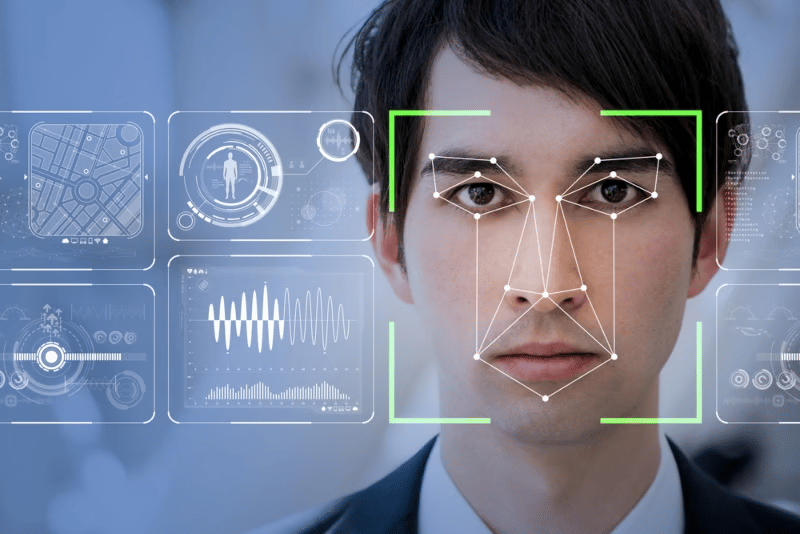
A Vancouver employer's plan to replace manual timekeeping with a facial recognition punch clock has become a labour dispute.
The Canadian Union of Public Employees (CUPE) Local 5536 – which represents workers at PHS Community Services Society in Vancouver's Downtown Eastside – sent members a letter in November 2026 opposing the proposal, the Canadian Press (CP) reported. According to the letter, employees would be required to scan their faces when starting and ending shifts and when leaving for and returning from breaks.
The union called the technology "debasing," according to the report. It warned that bringing artificial intelligence (AI) or biometric surveillance into harm reduction work would be "reckless and dangerous." Members have since worn buttons to work signalling their opposition.
Facial recognition and payroll accuracy
Micheal Vonn, chief executive officer of PHS Community Services Society in Vancouver, told CP the manual payroll process needs an urgent fix after a run of errors. She said photos would be deleted immediately and used only to confirm identity.
"It is exactly the kind of technology that many people now use to access their phones and other devices," said Vonn, a lawyer and former policy director of the B.C. Civil Liberties Association.
"We are not looking to put this technology in place to catch people out who are five minutes late on their shift or any of those things," she added.
Privacy concerns and biometrics
In August 2025, the Office of the Privacy Commissioner of Canada (OPC) set a high bar for employer use of biometric data, testing necessity, effectiveness, minimal intrusiveness and proportionality.
Well-designed systems can survive a challenge. In a decision reported in early 2023, an arbitrator upheld Canadian Forest Products Ltd.'s fingerprint time clock at its Plateau Sawmill in Vanderhoof, B.C. The arbitrator found the system "reasonable and authorized under Personal Information Protection Act," according to iNFOnews. Lexpert reported that Canfor stored an encrypted template rather than images and gave the union and staff advance notice.
Research into how one-third of Canadian employees are monitored at work shows many are unsure what exactly is tracked.
The OPC also notes that biometric accuracy can vary by race, gender and age, and it urges alternatives for people who cannot use such systems. Practical steps include:
- a privacy impact assessment before procurementt
- early union briefings
- written retention rules
- a PIN or card option.