Head of HR at Nova Scotia Pension Services discusses competencies, hard-to-fill roles, leadership development, AI and turning the tide on domestic violence
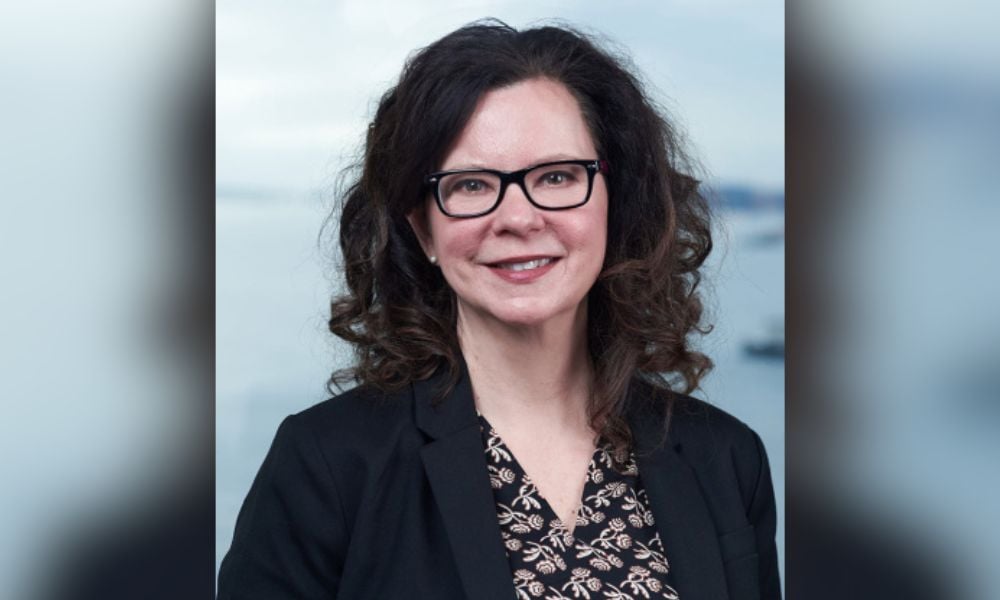
HR was not Sharon Robinson's first career. Early on, she followed a psychology path, working for a number of years with at-risk youth.
The move into human resources came indirectly, according to Robinson, who is now human resources director at Nova Scotia Pension Services Corporation in Halifax.
"I kind of fell into HR because I began being involved in hiring, health and safety, policy writing — things in the HR wheelhouse. And then I thought, ‘Wow, this is really what I want to do.’"
After a brief stint in hospitality, she went to the IWK Health Centre in Halifax, where she held roles in employee relations and client services from 2003 to 2008.
"I really credit the IWK for boosting my experience and my knowledge level, just the exposure that you receive in the complex healthcare environment," she says. "Bargaining units, labour relations, the complexity of the work, the challenges that staff face in that kind of environment and under difficult circumstances at times."
15 years in workers' comp
From there, Robinson went to the Workers' Compensation Board of Nova Scotia, where she spent about 15 years, first as HR manager and then as director of human resources.
"Again, very public-facing, with staff who are working under some challenging circumstances and supporting injured workers in their return to work and working with employers as well."
Looking back, two projects stand out for the HR leader. The first was a talent management framework that was built role by role.
"We looked at ‘What are the competencies that you need to be successful in this role?’ So, competencies being your knowledge, skills and abilities," she says. "And we really wove that through all of our HR programs. So, from recruitment, onboarding to performance review, to ongoing learning."
HR was careful to work with managers during the process, says Robinson, “so employees really felt that their work was reflected in the competencies — we heard that time and time again."
The framework was rolled out in phases, she says: "One area would have their competencies and be very positive about them, but other teams would be saying, ‘Well, when are we going to get ours?’ I mean, wow, you don't hear that very often."
Robinson intends to do the same at her current employer. "If I play my cards right, I'm going to develop that here too. Because it's just so fundamental when you have that talent framework and it just becomes the basis of all the work that you do."
Growing claims managers in-house
The second notable HR project at the Workers' Compensation Board of Nova Scotia addressed claims management roles that were hard to fill.
"We would go to the market, but sometimes the market would be tapped out," Robinson says. “If you met the minimum qualifications but maybe didn't have all the experience that you needed to do the role, you could apply through the program and then come in, and then we would work with you over a period of time, and you would get some increased pay, get some increased workload, and be developed over a period of time."
This move had not been done at the organization before, and it had to be worked through in a unionized environment, she says. Once launched, they had more candidates coming forward than they could fulfill.
"Otherwise, they had a bit of a barrier in terms of moving ahead. And we didn't want to lose good, talented people, yet we needed to make sure that they got the training that they needed," says Robinson. "It absolutely was an investment on the employer side, but the right kind of investment… in our own people."
Pensions: a new industry
By November 2023, Robinson was ready for a change, so she joined Nova Scotia Pension Services Corporation as human resources director.
"As I was sort of entering the last phase of my career, I thought, ‘Well, I could stay at Workers' Compensation Board, and I would've been happy to do so. But… is there something else? Is there something else I can do, learn, contribute on this last five to seven years?’"
And the change in her career path “has been highly energizing,” she says. “The old saying that a change is as good as a rest — well, I can attest to that."
While Robinson knew the pension administration side as a longtime plan member, she says the investment side was new and “has been really fascinating."
The organization has about 95 employees and serves more than 83,000 members. It started as part of the provincial government, became an agency, and is now a not-for-profit corporation with its own legislation. It is the smallest employer that Robinson has worked for.
"Yes, it is smaller in terms of volume, but all of the complexities that you deal with in any other organization, they're still here. So, you don't need to know any less. You don't need to do any less,” she says, adding any improvements or change can be done more quickly.
HR priorities for Nova Scotia Pension Services
That includes reworking the people section of the strategic plan, which previously was more tactical, according to Robinson.
"We've kind of reshaped it to have a bit more of what we're really shooting for, which is maximizing performance," she says. "We're really focused on employee engagement. We're focused on attraction, retention, developing our employees, and making sure to the best of our ability that we really do have a respectful and inclusive workplace."
Last year, the organization completed a large compensation survey and implemented the results. This year's list includes more hiring, collective bargaining — about half the workforce is unionized — and a formal leadership development program, according to Robinson.
"Over the years, a lot of things have been done in this space, but kind of piecemeal," she says. "We do have a number of new leaders and we want to be speaking the same language, have the same expectations, working together in the same way. So, the time is really right for that."
On AI, the organization is moving ahead with caution, given the pension sector’s dealings with people’s private information.
“We also recognize that there is opportunity. And so [it’s about] how we can help our employees be more effective, to add more value, to streamline processes for our members?” says Robinson.
Turning the tide on domestic violence
The organization has also signed on to Turn the Tide, a campaign launched by the Nova Scotia Government and General Employees Union (NSGEU) to raise awareness of domestic and intimate partner violence and its impact on the workplace.
"As part of that charter, we committed to doing some training, to learning about the impact, and to educating our employees," Robinson says, and a policy is now in draft. "What it really speaks to is that we recognize the impact of intimate and domestic violence in our workplace."
The policy addresses the paid and unpaid leave available under Nova Scotia's Labour Standards Code, "but also safety planning in the event that it's required for people,” she says.
Last year, managers took training from the Transition House Association of Nova Scotia.
"Managers know that it's an issue, but they really don't know how that can show up in the workplace and can affect absenteeism, can affect focus, can affect so many things,” says Robinson, adding the same session was offered to employees on a voluntary basis. “If everyone does a little bit, it can make a huge difference."