
Permanent resident unsuccessfully claimed discrimination based on ethnicity, place of origin
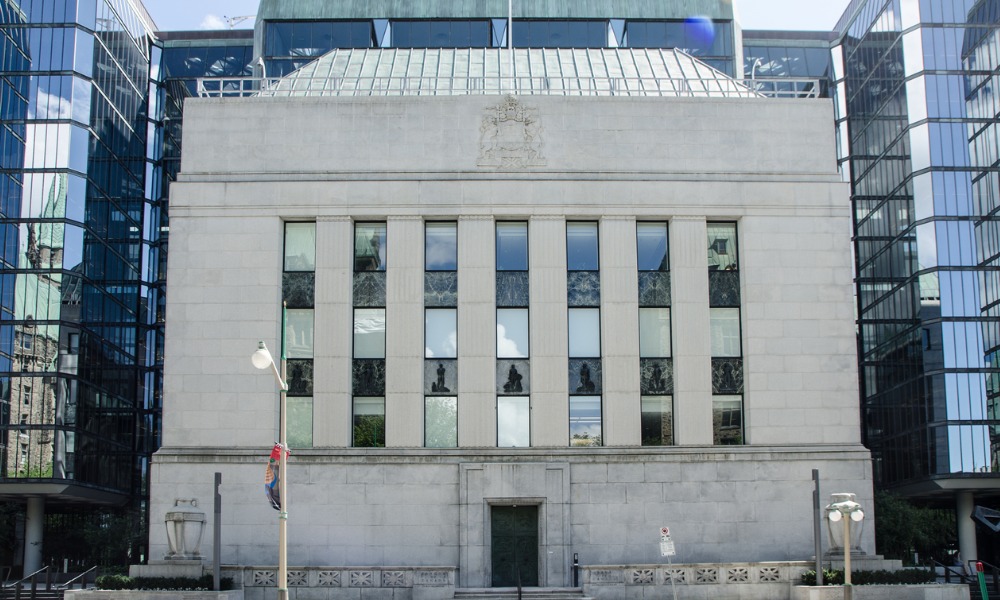
A bank’s decision not to interview a job applicant was due to his lack of qualifications and not his race or ethnic origin, the Federal Court of Appeal has confirmed.
The worker immigrated to Canada from Iran and achieved permanent resident status. He received a master’s in Public and International Affairs from the University of Ottawa in 2015 and earlier received a Master’s and a PhD in mathematics from other Canadian universities.
In 2016, the Bank of Canada was looking to fill nine positions of “analyst (master’s degree, recent graduates).” The job posting stated that candidates had to have a “master’s degree in finance or a master’s degree in a related subject such as: economics, computer science, mathematics, statistics, business administration.” The master’s degree also had to have been received between January 2015 and December 2017.
The worker applied for the position with a resumé listing his academic qualifications, although it didn’t include any focus on matters relating to monetary policy. He didn’t hear anything for several weeks, so he reached out to the bank to check in the status of his application. The bank advised that it had received applications from more experienced candidates.
The worker noted that the position was targeted at recent graduates and was told that “some candidates showcased extracurricular activities and strong grades.”
Worker wanted explanation for no interview
The worker requested a meeting with the bank’s chief operating officer, but the assistant director of the recruitment division told him that the position requirements were based on forecasted departmental needs and his qualifications weren’t relevant to what they were looking for.
The bank conducted a blind review of the worker’s application to ensure that it was assessed fairly, which confirmed that the worker’s lack of a Master’s degree in an area related to economics within the past two years made him unqualified. In addition, other applicants had written a thesis on a topic relevant to monetary policy, unlike the worker.
The bank also told the worker that the hiring committee gave preference to candidates with deeper backgrounds in monetary policy.
The worker felt that the explanation for why his application hadn’t proceeded to the interview stage kept changing, so he filed a complaint with the Canadian Human Rights Commission alleging that the bank discriminated against him by refusing to employe him because of his race and national or ethnic origin.
Investigation found no discrimination
An investigator from the commission looked into the matter and found that the worker wasn’t qualified for the bank’s analyst positions because he didn’t indicate in his application any academic focus or experience in matters relating to monetary policy – such as communication skills, learning and development, collaboration, and innovation - while successful candidates did. There was also no evidence the worker’s failure to get the job was related to his race or origin, said the investigator in a report recommending dismissal of the complaint.
The commission gave the worker an opportunity to respond to the report, but his response didn’t prevent the commission from accepting the investigator’s report and dismissing the complaint.
The worker sought judicial review of the decision in the Federal Court. The court noted that disagreeing with the results of an investigation was not an argument for procedural unfairness and found that both the investigator and the commission thoroughly considered the record of information. There was no basis to find that the worker was treated unfairly and there was no examples of any palpable error by either, said the court in dismissing the application for judicial review.
The worker then took his case to the Federal Court of Appeal, maintaining allegations of procedural unfairness because the commission’s process was neither neutral nor thorough, leading to an unreasonable decision. The worker argued that the commission investigator never interviewed him, so it wasn’t thorough.
Standard of review
The court noted that its task was not to evaluate the commission’s decision, but whether the Federal Court applied the proper standard of review to its assessment of the decision. As for the commission, its role was to determine whether further inquiry into a complaint is warranted based on the facts, not to adjudicate human rights complaints, said the appeal court.
In addition, procedural fairness required the commission investigation to be neutral and thorough with both sides given the opportunity to respond to the investigation report, said the court.
The court acknowledged that the investigator didn’t interview the worker, but it pointed out that the investigator did seek a written response from him to the report, allowing him to provide additional information relevant to his complaint and to satisfy the requirement of procedural fairness.
The court found that the fact that the commission dismissed the worker’s complaint didn’t mean that it handled the complaint unfairly, and its decision considered the worker’s response to the investigation report. There was also no evidence that the investigator wasn’t neutral, the court said.
Essential qualifications
The court also found that the commission’s decision was reasonable, as the job posting indicated that analysts had to have a master’s degree in finance or a related subject such as examples listed. While the worker had a master’s in mathematics, it wasn’t recent enough to meet the job requirements and his application didn’t address many essential qualifications, said the court.
The appeal court also agreed that the worker provided no evidence that his race or origin were factors in the bank’s decision not to interview him.
The appeal court determined that the commission’s decision “was internally coherent” and showed “a rational chain of analysis” of the facts and law. It fell within the range of possible, acceptable outcomes and was reasonable, said the appeal court in dismissing the worker’s appeal. See Tazehkand v. Bank of Canada, 2023 FCA 208.



