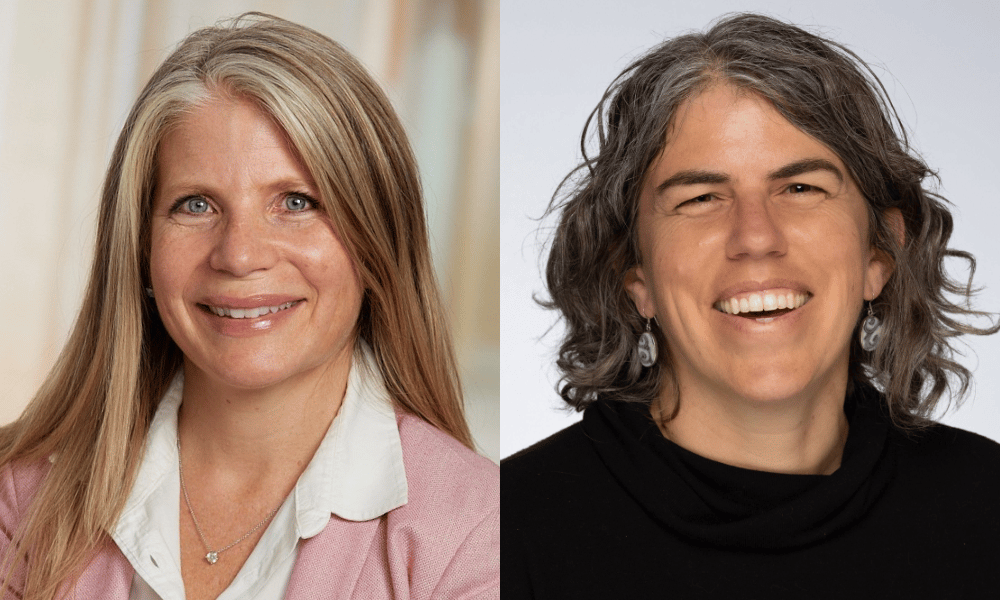
'People who are working for a company with positive culture, they know that they're going to be supported'

Workplace flexibility has gained importance in the wake of COVID and lockdowns but wellbeing benefits are now the most desired offering among employees.
One-third (34 per cent) of respondents rate health offerings as the most important factor in choosing who to work for, with flexibility coming in second at 28 per cent, according to a report from LifeWorks and Telus Health.
“The main message is how important the workplace, the workplace experience is, and also the workplace support,” says Paula Allen, global leader and senior vice-president for research and total wellbeing at LifeWorks in Toronto.
“Even in this time, where people are talking about flexibility and work from home as a major thing, which it is, it is very important in the minds of workers, benefits and support for health is more important.”
For employers, it’s crucial to show they truly care and are trying to do something around this aspect of wellbeing.
“[Employees] want to be supported. It’s not how they’re being supported — they want to know that they are being supported the ways that employers could do,” says Ramsey Aburaneh, head of digital growth at BrightHR, an HR software firm in Toronto.
Mental health claims for younger workers have risen steeply this year, according to another survey.
Culture and mental health
Coming in fourth when considering an employer — after “the type of work” at 18 per cent — is culture, which was rated important by 14 per cent of participants in the LifeWorks and Telus Health survey.
When thinking about an employee’s mental health, it’s important to remember the importance of a positive culture, says Allen.
“You might be in a great place but if you walk into a situation every single day that’s demeaning, demotivating and hostile, there’s no possible way that it’s not going to have a negative impact on you — and the opposite is true as well. Being at work and having a positive work environment and having that sense of inclusion and accomplishment, those are things that actually can help improve people’s mental health and wellbeing.”
Knowing whether or not the culture is positive or not often comes down to the level of “camaraderie,” according to Aburaneh.
“Often, I believe positive cultures are a result of collaboration with employees. It’s rare you find a company that has a positive culture that doesn’t have a large group of their employees who are constantly collaborating with each other, engaging with each other.”
This can help in keeping more employees on board, he says. “People who are working for a company with positive culture, they know that they’re going to be supported. And this helps with retention.”
For job seekers, many are having trouble trying to find a culture that fits them, found another survey.
Significance of leadership
The mental health survey, which heard from 3,000 people in October, also found that how an employee perceives their direct supervisor has a clear impact on productivity and performance.
“Your manager makes a big, big difference and there’s many things about just how a manager goes about leading that makes a difference,” says Allen.
When 61 per cent of employees rate their leader as “strongly humane,” this positively impacts their individual mental health.
“It’s not just care and concern for employees — there’s a number of things like: how inclusive and participatory they are. Do they ask for independence? How inspiring and charismatic they are?” says Allen.
This should provide continued proof of just how much influence a leader can have, she says.
“Leadership isn’t really about a reward for doing well, leadership is about your ability to positively influence others, that is the definition of a leader. It’s positively influencing others in terms of their work but also personal in terms of what they want to bring to the workplace.”
Tailoring benefits
For HR departments looking to tailor the benefit packages to address some new realities, don’t be too “fancy” in the thought process, says Allen.
“You can do surveys, you could do focus groups, you can collect information from one-on-one interviews, in particular, so you understand what’s important to people coming into your workplace — but the most respectful and accurate thing to do is not guess.”
“When you reach out in one of those mechanisms, and just ask people what’s important to them, that’s fairly critical,” she says.
Those conversations are important, says Aburaneh, because HR may not have all the answers.
“Employers are often coming to conclusions about what they think their employees want but sometimes they haven’t done a survey, or they haven’t had these conversations with their employees. Listen to your employees, ask about how they want to be supported; get the word directly from their mouths because maybe there might be a difference,” he says.
Don’t overlook offering a solid retirement plan, when it comes to considering a benefits package that employees will want, says an expert.
After all the changes caused by COVID, “as people are trying to figure out what the new workplace should look like, there’s a fair bit of tension,” says Allen and it’s part of HR’s responsibility to keep evolving and try new things.
“HR really needs to be careful around communication and make sure that it is two-way. So getting input from employees, trying things, not overreacting when people have negative reactions because we all are pretty much more sensitive to stress and more on edge. But don’t look at this as: ‘I’m going to make one decision, and it’s going to be perfect, and we’re going to go forward.’ This is a process in terms of figuring out what the workplace looks like going forward.”